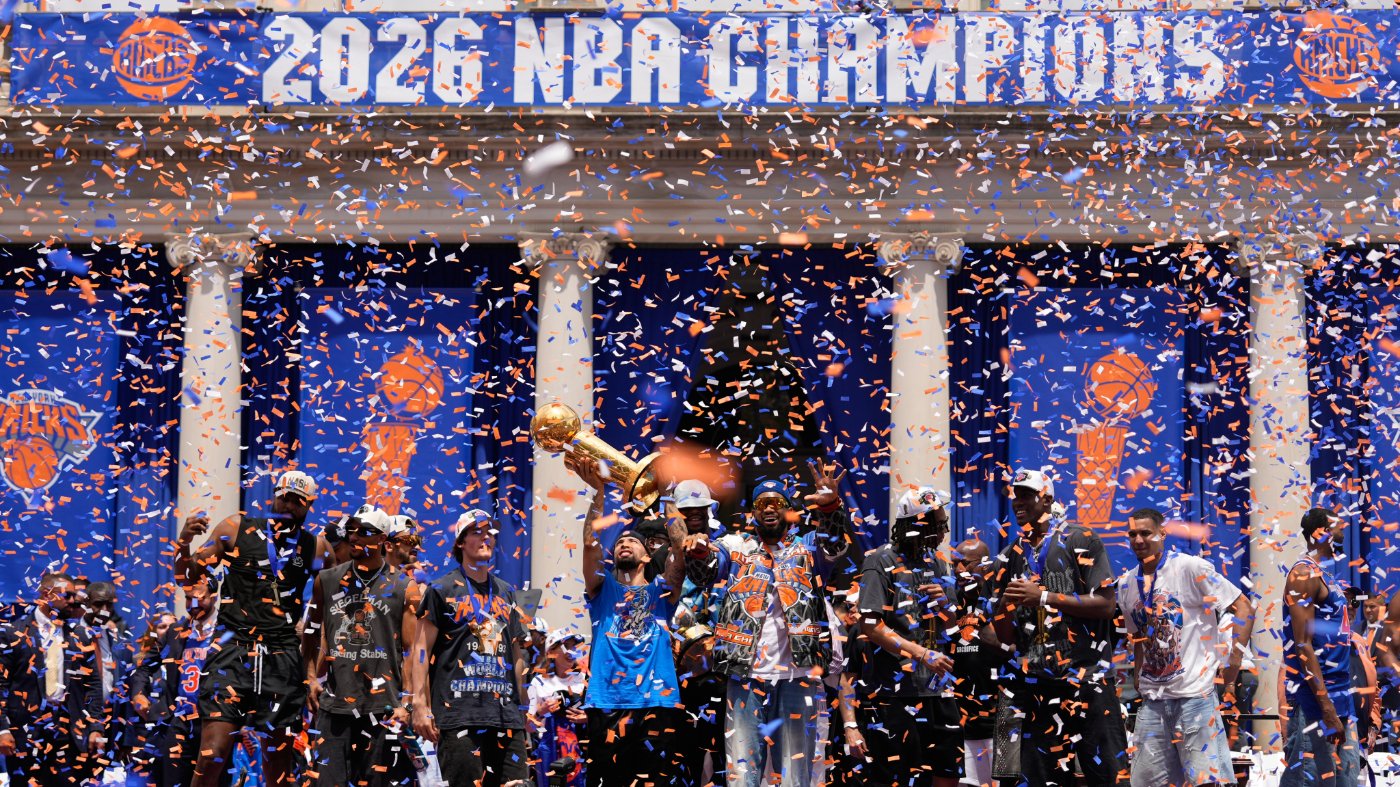
As New York celebrates the end of a half-century championship drought and the nation gears up for its 250th birthday, the Knicks’ victory offers more than just basketball glory—it’s a sharp reminder of how we misjudge success in politics.
The Knicks’ run to the title underscores a fundamental distinction: popularity is not the same as success. On the court, success is measured by the scoreboard—objective, transparent, and undeniable. Popularity, while pleasant, does not guarantee wins. The Knicks, one of the most beloved franchises in sports, endured one of the longest title droughts in NBA history precisely because fan affection doesn’t translate to points on the board.
In American government, however, popularity is the only metric that matters. Elections are the sole scoreboard, and winning them is treated as the ultimate validation. But as the Knicks prove, being popular doesn’t mean you’re solving problems. The team’s mission is to make baskets—clear, measurable, and results-driven. Government’s mission should be to deliver solutions, yet voters often reward charisma over competence.
This disconnect is especially relevant as the U.S. approaches its semiquincentennial. Polls show a fraying trust in democratic institutions, with younger Americans increasingly skeptical of the system. The erosion of faith in democracy mirrors the Knicks’ long wait: fans stayed loyal, but loyalty didn’t deliver championships. Similarly, voter loyalty doesn’t guarantee effective governance.
The Knicks’ acceptance of a White House invitation from President Trump—a move that ended a years-long tradition of NBA teams skipping the visit—adds a political layer. The team’s decision to attend sparked debate, with some seeing it as a unifying gesture and others as a political statement. But the underlying lesson remains: outcomes, not optics, should drive judgment.
This principle extends beyond sports. In policy areas like immigration, the U.S. struggles with a backlog of over 3 million cases. The EU’s recent asylum overhaul offers a potential blueprint for reform, but political popularity often blocks pragmatic solutions. Similarly, Democrats have been urged to detail concrete plans for restoring democratic accountability, yet electoral incentives often prioritize messaging over substance.
The Knicks’ victory is a case study in patience and performance. For decades, the team was popular but unsuccessful. Now, with a championship, popularity and success align—but only because the scoreboard finally reflected the effort. In politics, we need a similar reckoning: votes should be based on who solves problems, not who gives the best speeches.
As America celebrates its 250th year, the Knicks’ journey offers a simple but powerful insight: popularity should follow outcomes, not the other way around. If we want a government that works, we need to judge it by the scoreboard, not the applause.