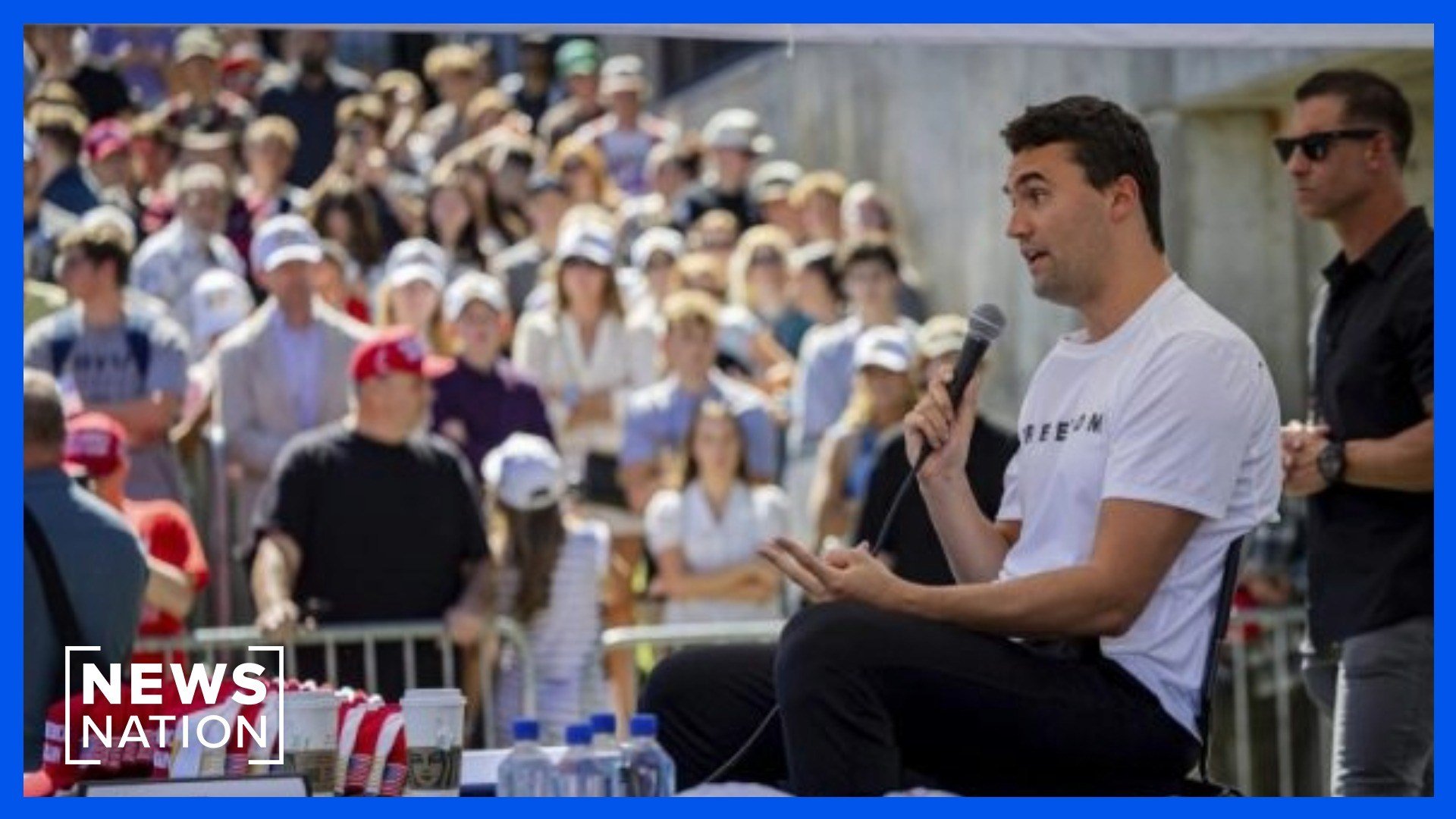
Nearly a year after conservative activist Charlie Kirk was shot and killed at a Utah Valley University event, his widow, Erika Kirk, is preparing to take legal action against the school, according to a notice of claim obtained by NewsNation. The filing alleges a series of security lapses that may have contributed to the tragedy.
The notice, sent by Erika Kirk's legal team, includes a striking accusation: a Turning Point USA staffer texted the campus police chief before the event, flagging a potential vulnerability. The message, addressed to Chief Jeff Long, warned that there was student roof access close to where Kirk would be speaking, and asked that it be secured or that a TPUSA security member be allowed to monitor it.
Chief Long's reply was terse and reassuring: "I got you covered." That assurance, the claim suggests, was not backed by action. The shooting occurred on October 3, 2024, and the university has not publicly commented on the pending claim.
The incident has reignited debates about security protocols at political events on college campuses, particularly those featuring high-profile figures like Kirk, who was the founder of Turning Point USA. The group has been a lightning rod for controversy, and Kirk's assassination sent shockwaves through the conservative movement. A statue of Kirk was later defaced outside TPUSA headquarters, underscoring the ongoing tensions surrounding his legacy.
The notice of claim is often a precursor to a lawsuit against a public entity in Utah, and it gives the university a chance to respond or settle. Erika Kirk's legal team has not yet filed a formal complaint, but the notice lays out a detailed timeline of alleged failures, including a failure to secure the roof access point that the text message had identified.
This case also comes amid broader scrutiny of security arrangements for political figures. Lawmakers and commentators have pointed to the need for better protection after several high-profile incidents. For instance, some Republicans, like Lauren Boebert, have linked security concerns to broader national security issues, while others have focused on campus-specific vulnerabilities.
The university has not yet issued a formal response to the notice, but legal experts say the claim could force the school to disclose internal communications and security assessments. The outcome may hinge on whether Chief Long's promise constituted a binding commitment to provide security, and whether the university's failure to act was a proximate cause of Kirk's death.
Erika Kirk has remained largely out of the public eye since the assassination, but her decision to pursue legal action signals a desire for accountability. A year after Kirk's killing, his political message continues to resonate, even as his family seeks justice.
The case also highlights the challenges that universities face in balancing open access with the need for security at high-profile events. As the legal process unfolds, the public will likely learn more about the specific security measures that were in place—and those that were not.