King Charles III is set to address a joint session of Congress next week, a rare honor that places him in the footsteps of his mother, the late Queen Elizabeth II, who spoke before lawmakers in 1991. Congressional leaders, in a letter to the monarch, framed the upcoming visit as a reaffirmation of what they called "one of the most consequential partnerships in modern history." They noted the enduring influence of British political tradition on the American republic, a connection rooted in documents like the Magna Carta.
A Bicentennial Gesture: The Magna Carta's Journey to the Rotunda
The historical ties between the two nations were physically manifested in 1976, when Queen Elizabeth II visited the U.S. Capitol for the nation's Bicentennial. To mark the 200th anniversary of American independence, the United Kingdom dispatched the original 1215 Magna Carta, housed in a specially designed carrying case. "The concept was to create something practical, to literally protect and house the document. But also to provide something lasting," explained Dr. Michele Cohen, curator for the Architect of the Capitol.
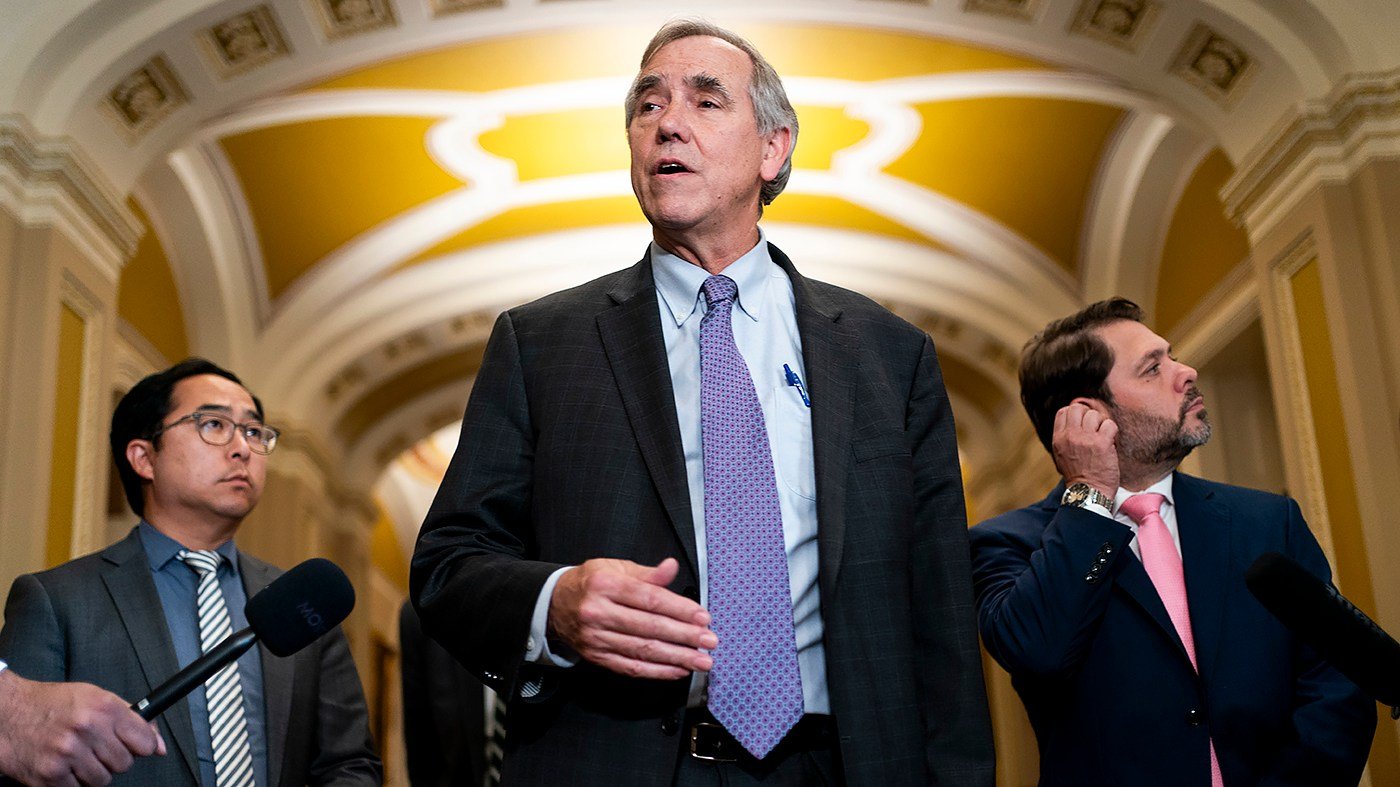
The foundational charter was displayed beneath the Capitol Rotunda, guarded by the Queen's own ceremonial protectors. The Queen personally viewed the exhibit during her visit, which also included a speech in Statuary Hall. Following the celebrations, the original document returned to the U.K., but a detailed gold replica and its ornate case remain on permanent display in the Capitol Crypt below.
Symbolism in Stone and Gem
The display is considered a unique artifact of diplomatic history. "This is probably one of our most unique objects," Dr. Cohen stated, describing it as a symbol of the "unique relationship" between the two countries. The case itself is a complex emblem of unity: it incorporates a rock found in both Minnesota and Scotland, diamonds for each U.S. state, and floral motifs representing England (the Tudor Rose), Ireland (the shamrock), Wales (the daffodil), and Scotland (the thistle). An inscription explicitly links the charter to the "liberties of the people of the United States and of the United Kingdom."
This modern camaraderie belies a more contentious past. After winning independence, the United States fought the War of 1812 against Britain, during which British forces set fire to the U.S. Capitol building in 1814. The path to the current "special relationship" began with King George VI, who in 1939 became the first reigning British monarch to visit the Capitol. His daughter, Elizabeth II, would visit twice—in 1976 and during her 1991 address.
The upcoming address by King Charles III occurs amid other significant congressional activity, including hearings where figures like Robert F. Kennedy Jr. have returned to defend political agendas. It also coincides with ongoing international tensions, such as the uncertainty around Iran's participation in diplomatic talks as a fragile ceasefire nears its end. The monarch's speech will inevitably be analyzed as a statement on the current state of the transatlantic alliance.
Dr. Cohen's commentary underscores the deep historical narrative that frames this royal address. "It's our shared roots really going back to the Magna Carta," she said. As King Charles prepares to stand in the same chamber his mother once addressed, the physical remnants of that 1976 visit—the case, the replica, and the inscribed message of shared liberty—serve as a tangible reminder of the centuries-old political traditions that continue to inform one of the world's most watched bilateral relationships.