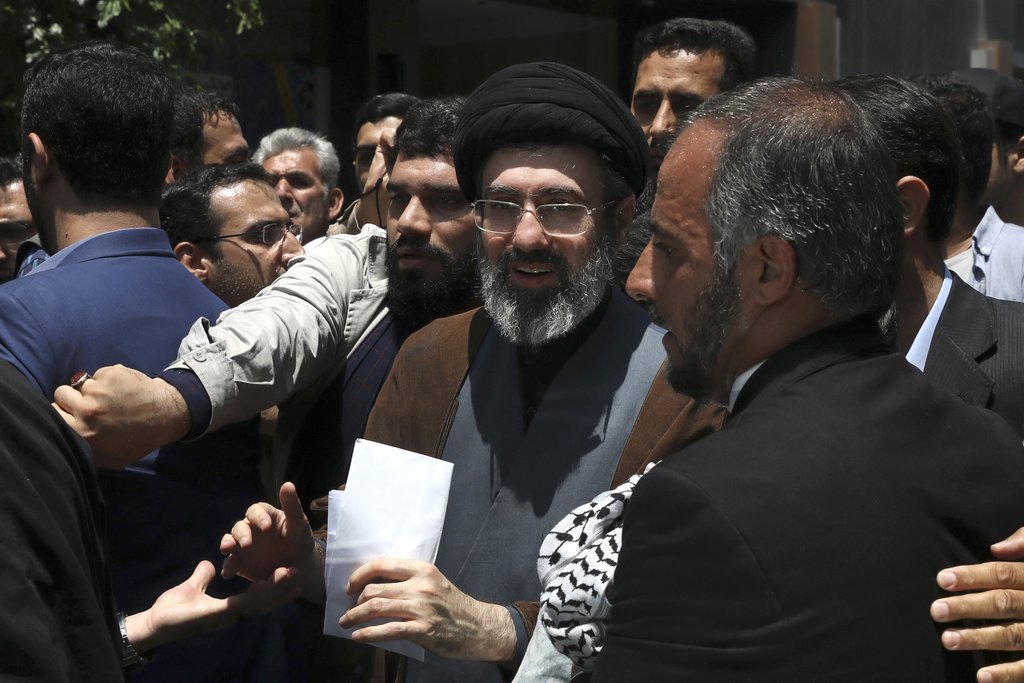
Iran's Supreme Leader Mojtaba Khamenei acknowledged Thursday that he had reservations about the memorandum of understanding with the United States but ultimately authorized the agreement to end hostilities. In a post on X, Khamenei wrote that he held a different view on the matter but permitted the deal after President Masoud Pezeshkian and Supreme National Security Council head Mohammad Bagher Zolghadr gave personal assurances.
Khamenei stated that Pezeshkian and Zolghadr pursued the pact out of what he called “sincere concern” for Iran’s future and to demonstrate goodwill. He credited the U.S. president with applying “all kinds of leverage” out of desperation to bring the agreement to fruition. The supreme leader emphasized that he granted permission only after the officials explicitly accepted responsibility for protecting the rights of the Iranian nation and the Resistance Front.
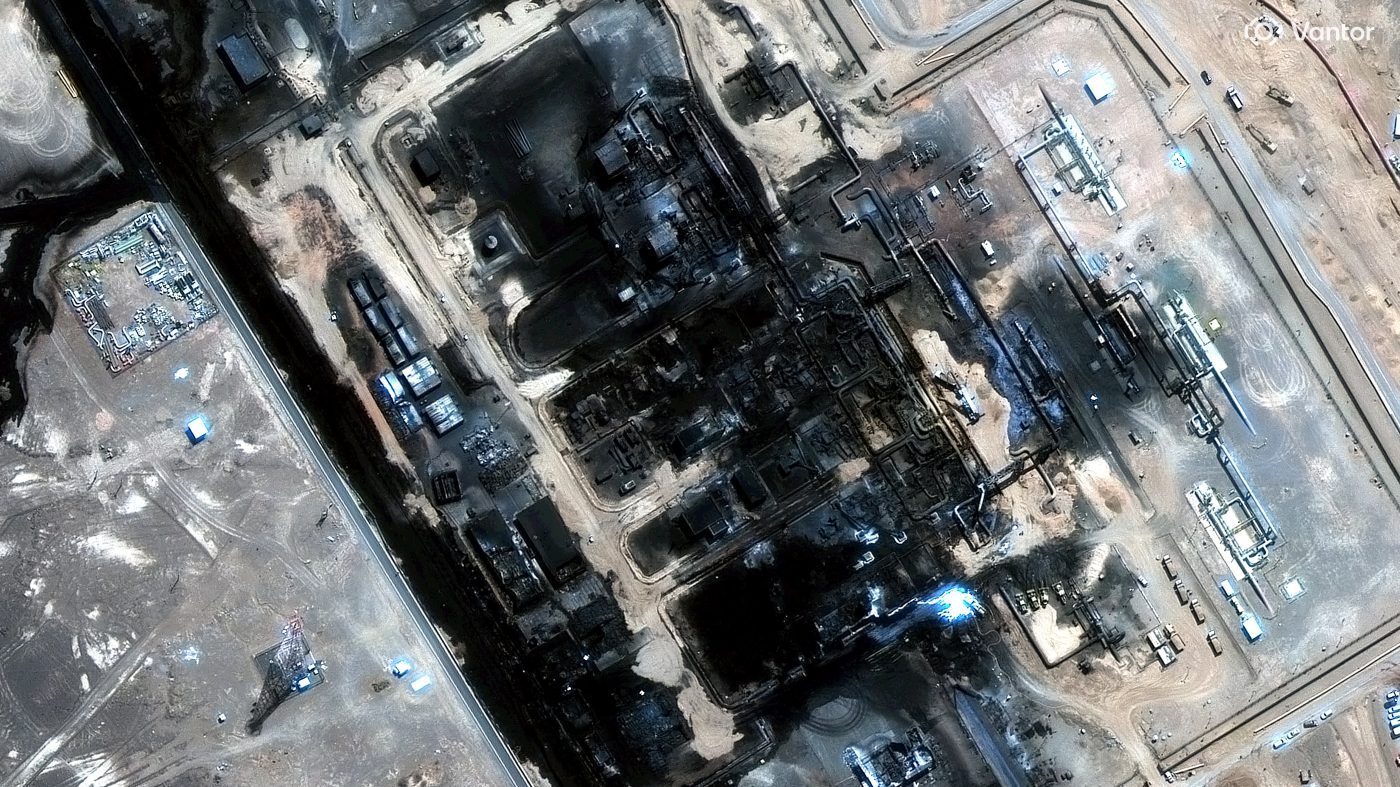
The Trump administration has countered that Khamenei was not directly involved in negotiations and has only issued statements since being severely wounded in U.S. strikes. The deal has drawn fierce criticism from Israel and some in Washington, who argue the administration secured few meaningful commitments from Tehran.
Under the MOU, Iran could gain access to up to $300 billion for redevelopment in exchange for ending fighting in Lebanon, reopening the Strait of Hormuz, and pledging never to pursue nuclear weapons. Khamenei warned that Tehran will not accept “excessive demands” from the U.S. in future talks. His proxies are expected to spend the next 60 days negotiating further issues, including restrictions on Iran’s nuclear program.
Vice President Vance defended the deal at a White House press briefing Thursday, urging critics to trust President Trump’s judgment. Meanwhile, Senate Republicans have demanded the full text of the agreement, as reported by leaders left in the dark about its details.
The rift between Trump and Israeli Prime Minister Netanyahu over the Iran deal has deepened, with Netanyahu defying calls for a ceasefire. Some GOP figures have also voiced concerns; a GOP senator argued that Iran must retain missiles for self-defense, sparking bipartisan backlash.
Khamenei’s admission of reservations underscores the internal tensions within Iran’s leadership over the deal. The supreme leader’s approval, however conditional, marks a significant shift in Tehran’s posture toward the U.S., even as hardliners remain skeptical.