Democratic Senator Points to Dismissal as Cautionary Tale for Justice Department Leadership
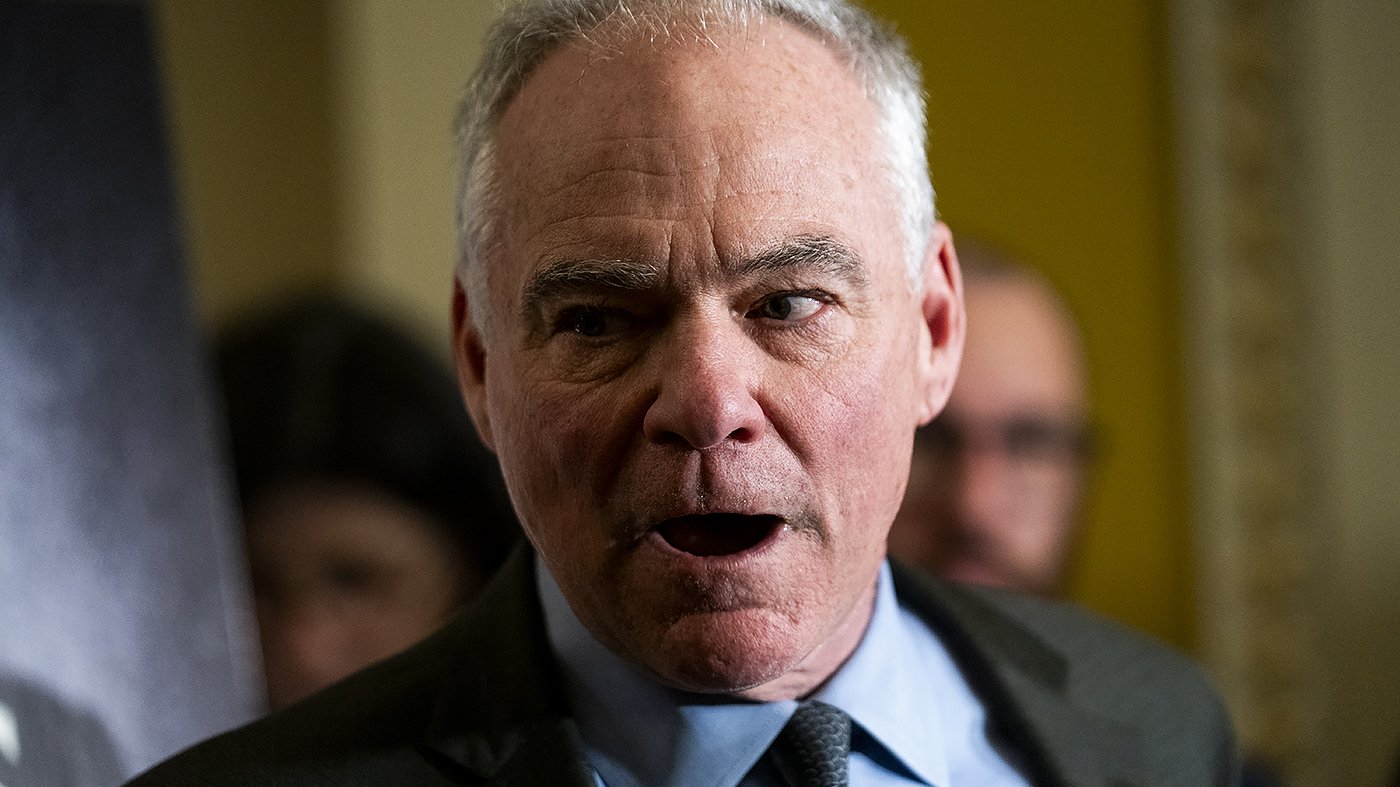
Senator Tim Kaine of Virginia stated on Sunday that the recent termination of Attorney General Pam Bondi by President Donald Trump must serve as a critical instruction for whoever is nominated next to lead the Department of Justice. Appearing on NBC's 'Meet the Press,' Kaine framed Bondi's exit as the inevitable result of forsaking the role's required independence.
"The attorney general is the nation's top law enforcement officer and must operate with independent authority and integrity," Kaine told host Kristen Welker. "Pam Bondi relinquished that principle entirely, yet she was still fired. That's the instructive point here."
Loyalty Versus Law Provides No Safe Harbor
Kaine elaborated that Bondi's experience reveals a futile choice for attorneys general in the Trump administration. "You can enter the office committed to upholding the rule of law, which may anger the president, or you can attempt to fulfill every presidential directive, which will also ultimately anger him," the senator said. "She essentially surrendered her own credibility, and it still resulted in her dismissal. This reality should guide the next nominee."
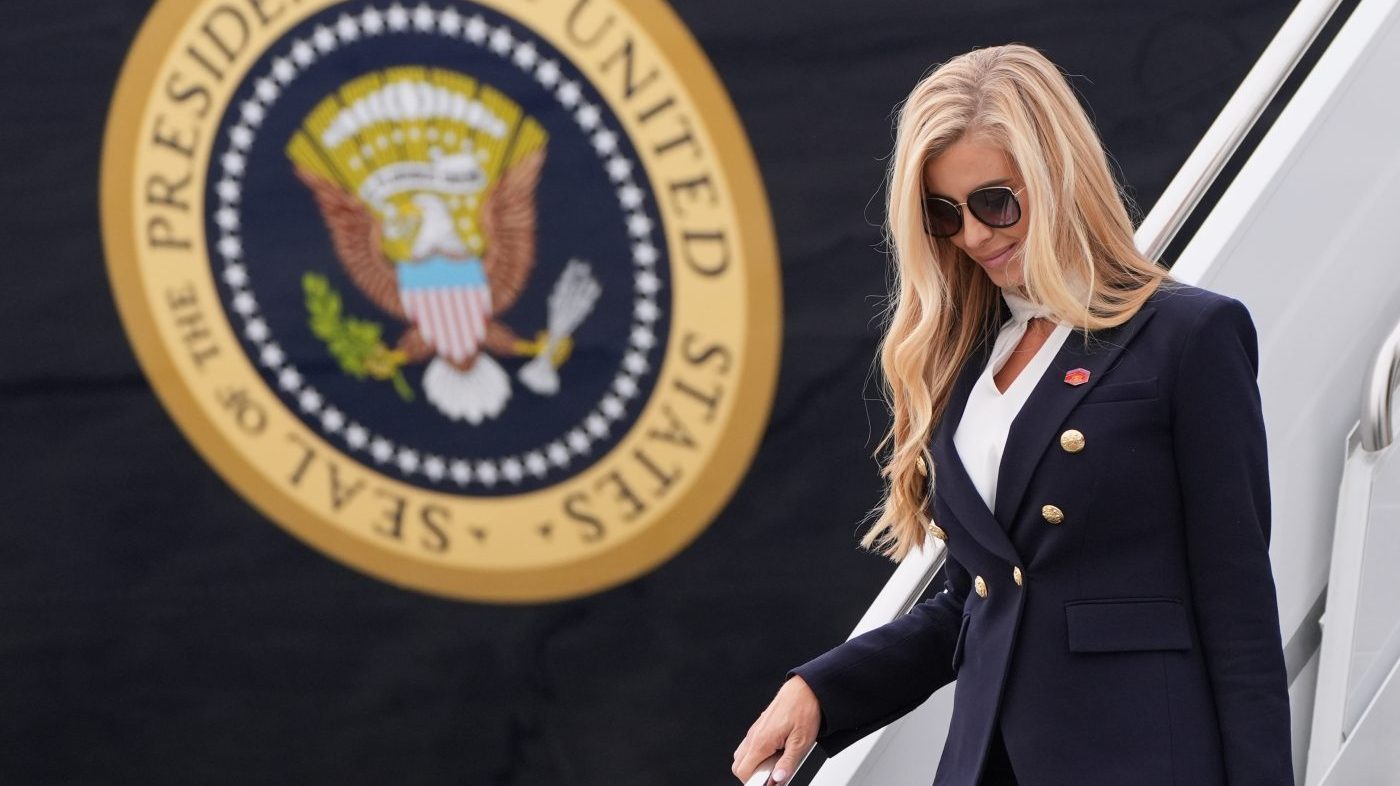
The circumstances of Bondi's removal, coming shortly after the replacement of the Homeland Security secretary, have ignited speculation about broader impending staff changes within the Trump cabinet. The second term has seen relatively stable personnel compared to the first, making the departures of Bondi and former Governor Kristi Noem particularly conspicuous.
Bondi's tenure was marred by significant controversy, primarily focused on her department's management of documents related to convicted sex offender Jeffrey Epstein. Public and judicial scrutiny intensified with the incremental release of files connected to the financier, drawing sharp rebukes from federal judges over the handling of cases and contributing to a perception of disorder.
Kaine's Criteria for Confirmation
When pressed by Welker on whether he would be willing to approve Trump's forthcoming selection for attorney general, Kaine declined to issue a blanket rejection. "I never begin with an automatic 'no,'" he responded. "We must evaluate the individual the president puts forward. Winning a presidential election confers a mandate to assemble an executive team. However, if a nominee lacks the necessary qualifications or demonstrates poor character, I will vote against them."
This stance underscores the delicate balance for Senate Democrats, who must weigh presidential prerogative against rigorous oversight of a profoundly consequential appointment. The episode also reflects ongoing tensions between the White House and the Justice Department, a relationship historically predicated on independence that has been tested repeatedly.
The political ramifications extend beyond the confirmation process, influencing perceptions of governance and stability. As the administration navigates this transition, the selection of a new attorney general will be closely watched for signals about the president's approach to law enforcement priorities and his tolerance for autonomous judgment within his cabinet.