Legal Blow to Tech Giants Reshapes Child Safety Debate
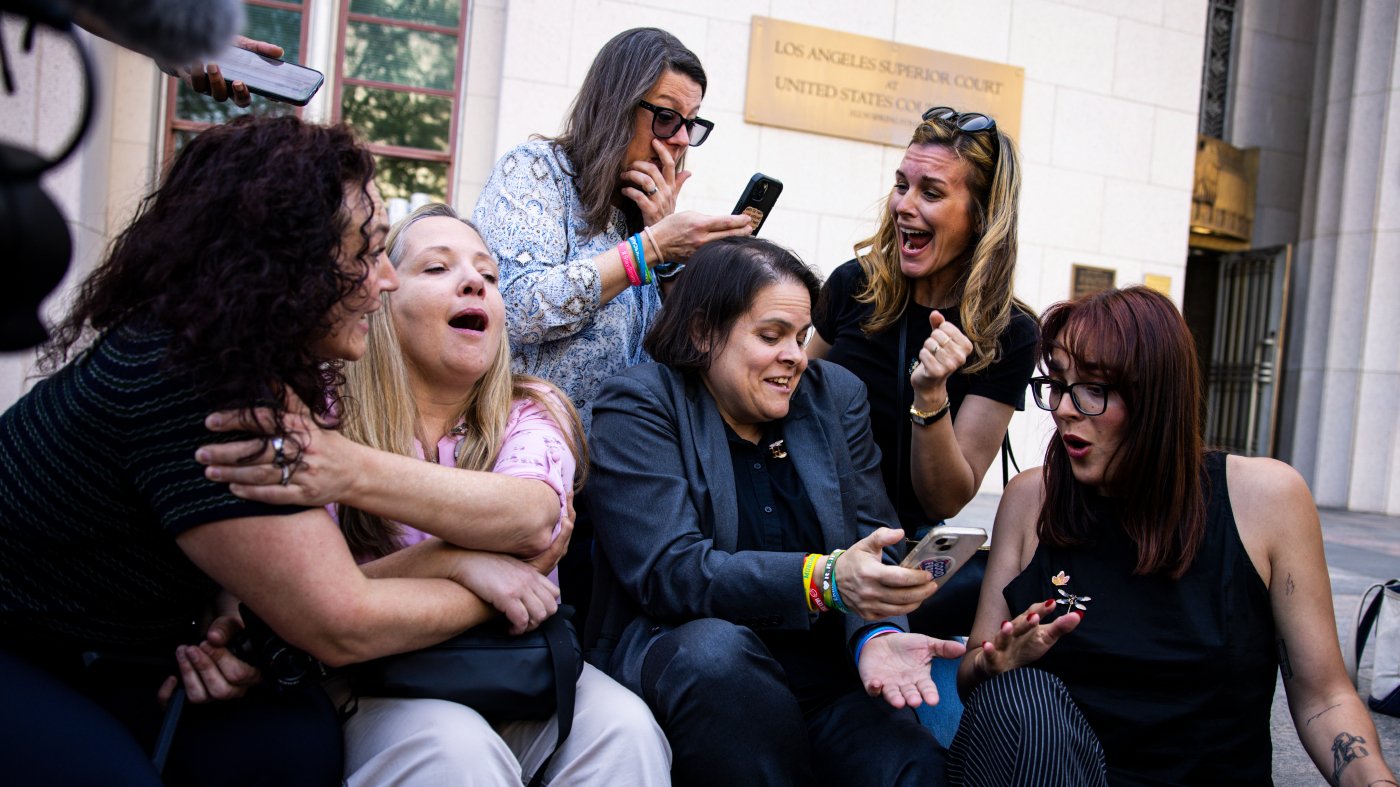
In a significant legal development, juries in California and New Mexico have delivered back-to-back verdicts against Meta and Google's YouTube, marking the first time social media platforms have been found liable for the harm their products cause to children and teenagers. These decisions represent a direct challenge to the technology industry's longstanding legal protections and have immediately altered the political landscape surrounding online safety.
The verdicts arrive as Congress remains deadlocked over comprehensive legislation to regulate social media platforms and protect young users. For years, youth safety advocates and parent groups have lobbied Capitol Hill to pass laws holding technology companies accountable, with little success. These legal outcomes now provide tangible leverage, potentially breaking the legislative impasse.
A 'Wake-Up Call' to the Industry
"This verdict should be a wake-up call to social media platforms that the status quo is no longer sufficient, and steps need to be taken to make sure children and teens are protected online," said Allison Fitzpatrick, a partner at the Davis+Gilbert law firm. The cases did not focus on user-generated content, but rather on platform design. Advocates argue that features intentionally engineered to maximize engagement create addictive experiences that keep children glued to screens for unhealthy periods.
"This is not about that content, but really about the way that these platforms are using these addictive design features to engage kids and teens for longer on the platform," explained Holly Leck, a senior manager at the nonprofit Common Sense Media. While the verdicts do not force immediate changes to platform operations, they are expected to pressure companies to voluntarily redesign features deemed harmful.
Piercing the Section 230 Shield
The most consequential aspect of these rulings is their navigation around Section 230 of the Communications Decency Act. This 1996 law has historically provided a broad legal shield, protecting tech companies from liability for most third-party content posted on their services. Written before the rise of modern social media, critics argue it is outdated. These verdicts represent a rare successful effort to hold platforms accountable not for content, but for their underlying product design and its impact on user well-being.
Legal experts describe the moment as a potential "watershed" for future litigation, predicting a surge in similar claims nationwide. The success in court contrasts sharply with the slow-moving legislative process, where partisan divisions have stalled action. The legal pathway may now drive policy changes faster than Congress can legislate them.
The momentum extends beyond these specific cases. In a related development, a New Mexico jury recently ordered Meta to pay $375 million in a separate suit over dangers posed to children online, underscoring the growing legal peril for the industry. This expanding litigation front occurs alongside other federal actions, such as the DOJ's recent settlement imposing restrictions on government social media interactions.
As the 2024 election cycle intensifies, the issue of online child safety is becoming a focal point. The White House is also engaging directly with the public, having recently launched an official mobile app to communicate its agenda. For technology companies, the combined pressure from the judiciary, advocacy groups, and a gridlocked yet attentive Congress signals an end to an era of minimal accountability. The verdicts have not only opened a new front in litigation but have fundamentally reset the political debate over who is responsible for the safety of the youngest generation online.