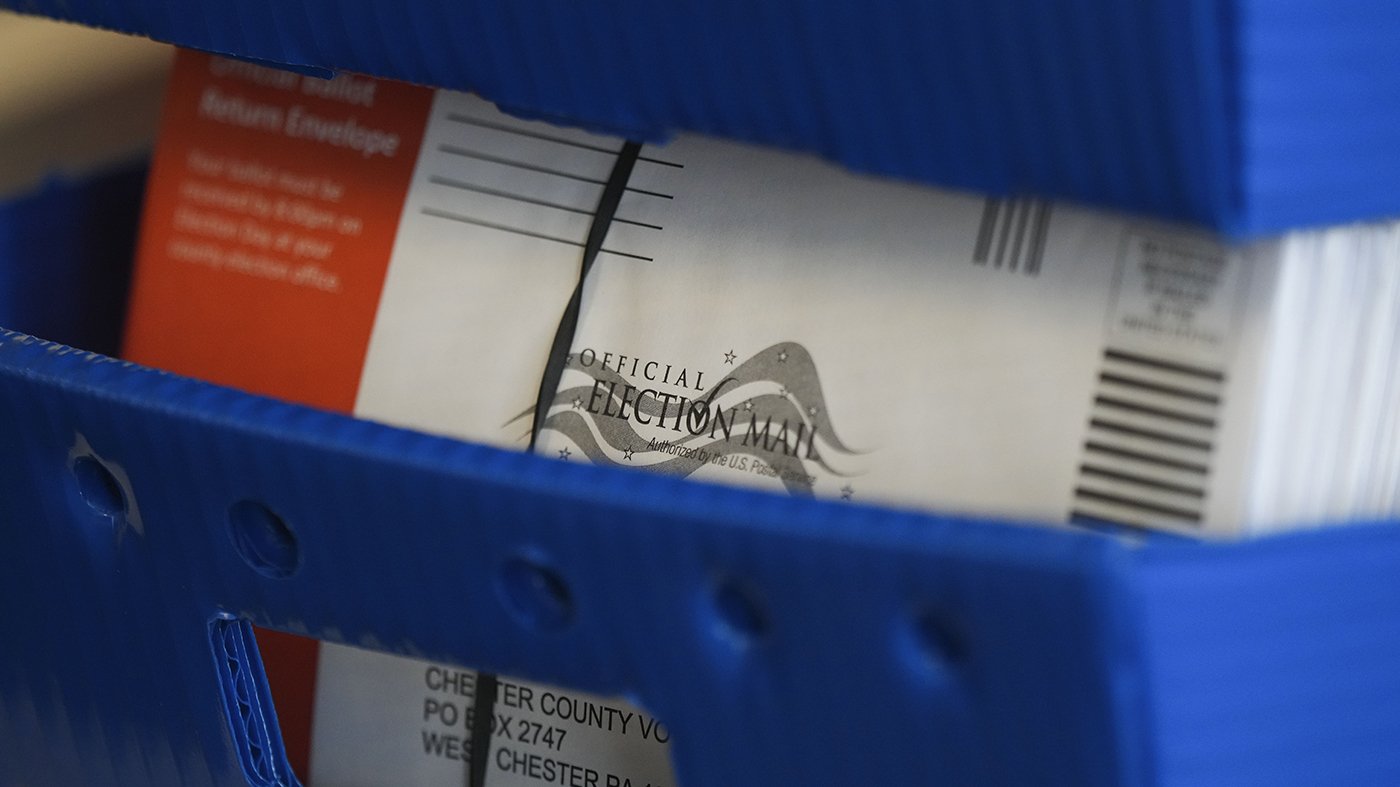
A federal judge has limited the scope of lawsuits against President Trump's executive order targeting mail-in voting, ruling that challenges can proceed only for this year's midterm elections and not for future contests. The decision, issued Thursday by U.S. District Judge Indira Talwani in Massachusetts, allows voter education nonprofits and Democratic-led states to press their case against the order's citizenship verification requirements ahead of the November 3, 2026, midterms.
Talwani, an Obama appointee, denied the Trump administration's motion to dismiss the lawsuits entirely, but she also rejected claims that the order's impact on elections beyond this year is ripe for review. In a 17-page consolidated order, she wrote that the "ever-narrowing window of time" before the midterms and upcoming primaries made delay impractical. "Postponing judicial review is impracticable and may inflict significant hardship on Plaintiffs," she stated, noting that the order imposes specific deadlines over the next three months.
The lawsuits, filed in April by a coalition of Democratic-led states and voting rights groups, challenge the executive order signed in March. That order directs Homeland Security Secretary Markwayne Mullin to work with the Social Security Administration to create a list of verified U.S. citizens eligible to vote and bars the U.S. Postal Service from sending ballots to individuals not on that list. It also instructs the attorney general to prioritize prosecutions for sending ballots to ineligible voters.
Plaintiffs argue that the order is unconstitutional, asserting that the president lacks authority to control federal elections, which are administered by states. They contend the changes would force states to invest "enormous amounts of time and resources" and "sow confusion and chaos" in the electoral process. Critics also point out that Trump has cast mail-in ballots himself, including in a recent Florida special election, despite his unsubstantiated claims of widespread fraud through mail-in voting and undocumented immigrant voting.
Talwani acknowledged "many uncertainties" about how federal agencies will implement the order, making it premature to challenge its effects on elections after 2026. This ruling narrows the legal battlefield, focusing on the immediate threat to the upcoming midterms. The case is separate from a challenge brought by Senate Democrats, the NAACP, and the League of United Latin American Citizens in Washington, D.C., where a judge last month declined to block the order. That decision is under appeal.
The Trump administration has defended the order as a measure to ensure election integrity, but opponents see it as a partisan effort to suppress turnout. The ruling comes amid broader tensions over voting access, with the White House also facing criticism over its Iran policy, as seen in Vance's defense of the Iran MOU against GOP and Israeli pushback. Meanwhile, Pelosi has blasted the Iran MOU as a costly gift, highlighting partisan divides on foreign and domestic policy.
Legal experts say the narrow ruling allows the core challenge to move forward quickly, potentially setting up a precedent on executive power over elections. The plaintiffs are expected to seek a preliminary injunction to halt the order's implementation before the midterms. The case will now proceed on an expedited timeline, with the judge signaling that the stakes are too high to wait.