House Judiciary Chair Escalates Clash with Local Prosecutor
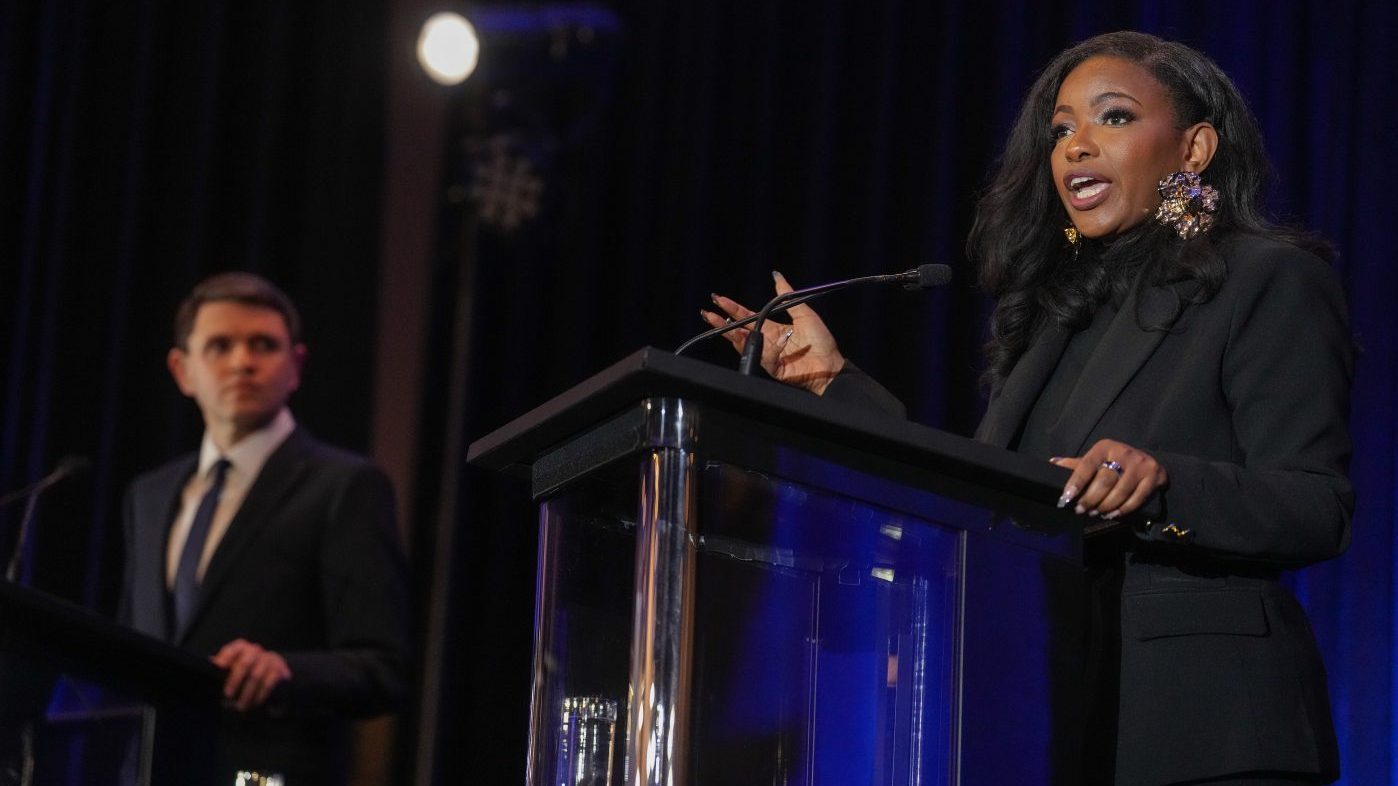
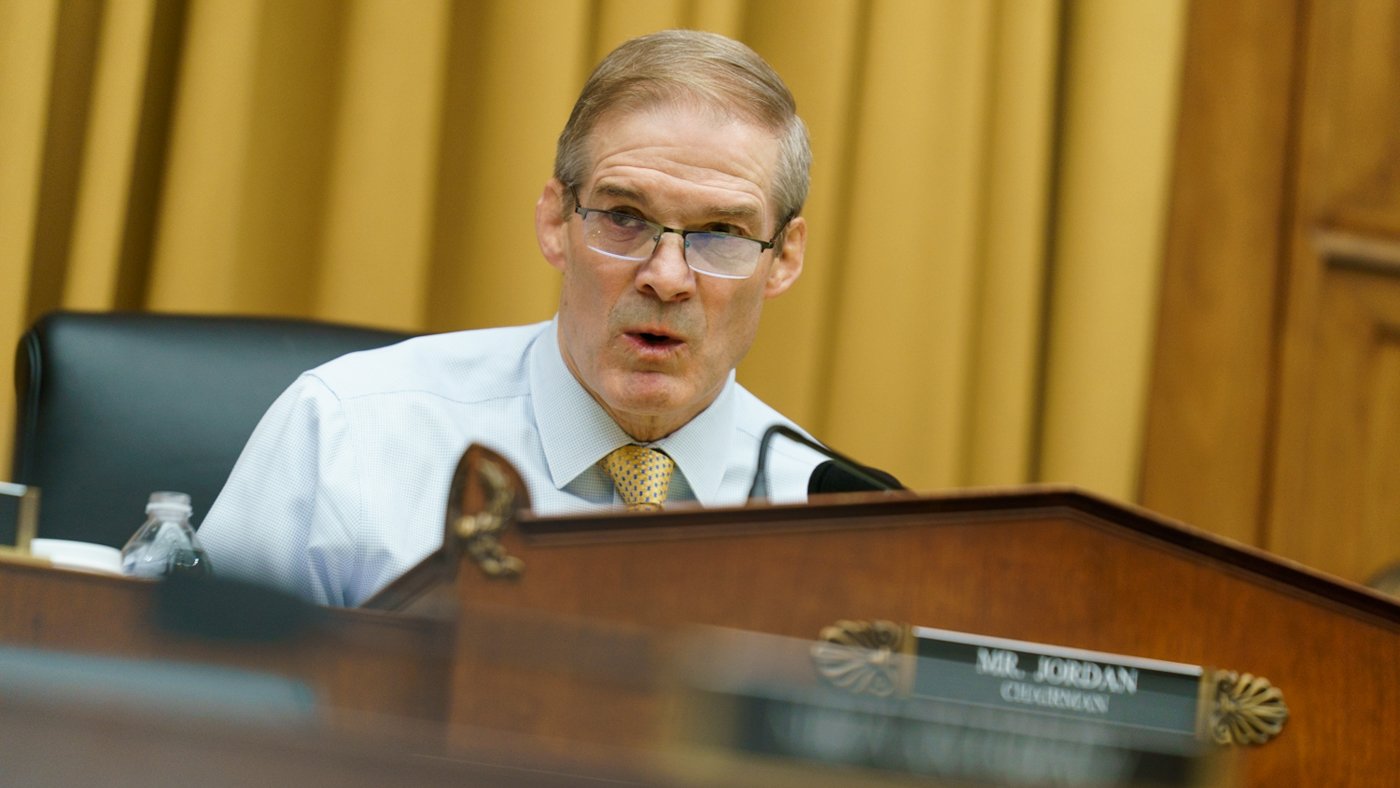
House Judiciary Committee Chairman Jim Jordan (R-Ohio) escalated a political confrontation on Friday by issuing a subpoena to Parisa Dehghani-Tafti, the Commonwealth's Attorney for Arlington County and the City of Falls Church. Jordan accuses the local prosecutor of failing to adequately pursue charges against protesters who targeted the residence of Stephen Miller, a former senior White House adviser during the Trump administration.
From Request to Subpoena
The subpoena represents a significant hardening of Jordan's position. In November, he had formally requested documents from Dehghani-Tafti's office related to the case. When she declined, citing the integrity of an ongoing local investigation, Jordan moved to compel compliance through congressional authority. The core dispute stems from a 2023 incident where activist Barbara Wien posted flyers with Miller's home address and had a brief interaction with his wife.
Federal authorities initially sought a warrant for Wien's phone records, a request blocked by a judge who questioned the federal interest in what appeared to be a local matter. A warrant was later obtained, but the case has remained mired in legal procedural debates. Jordan has sharply criticized Dehghani-Tafti for what he characterizes as partisan obstruction. "Your unmistakably partisan actions suggest that you are willing to not only ignore threats of political violence against those with whom you disagree, but will actively side with those making the threats," Jordan stated in his November letter.
Prosecutor Fires Back, Citing Overreach
Dehghani-Tafti responded forcefully to the subpoena, framing it as an unconstitutional intrusion into local law enforcement. "Chairman Jordan’s subpoena is an overreach, a trespass on state and local sovereignty with no legitimate federal interest," she said in a public statement. She defended her office's independence, stating every decision is based solely on "the facts and the law," and accused Jordan of applying a double standard regarding prosecutorial discretion.
"It also threatens the centuries-old principle of prosecutorial discretion, a principle that Chairman Jordan has shown no difficulty embracing when the prosecutors in question are Republican," Dehghani-Tafti added. She has retained counsel to challenge the subpoena, signaling a likely legal battle over the limits of congressional oversight power versus local prosecutorial authority. This clash echoes other tensions between federal political actors and state legal systems, such as the recent appointment of a career prosecutor to lead the New Jersey U.S. Attorney's office following its own period of turmoil.
Legal Counsel Labels Subpoena as Harassment
Abbe Lowell, the attorney representing Dehghani-Tafti, was unequivocal in his condemnation, labeling Jordan's actions as "harassing political opponents." In a statement, Lowell argued the demand for information about a local investigation is "clearly outside of his jurisdiction and plainly none of his business." He confirmed his team would explore potential accommodations but is prepared to litigate the "substantial legal issues" raised by the congressional demand.
The case sits at a complex intersection of free speech, privacy, and law enforcement jurisdiction. The protest involved political messaging directed at a high-profile political figure at his private residence, raising questions about the line between protected expression and intimidation. Legal doctrines surrounding official conduct in such scenarios remain contentious, as seen in rulings like the one that reinforced qualified immunity for an officer in a Vermont protest case.
Broader Implications for Federal-Local Relations
This confrontation is more than a singular dispute; it reflects a broader pattern of federal political figures scrutinizing the decisions of locally elected, progressive prosecutors. Jordan's move tests the boundaries of congressional oversight, probing how far a committee can reach into an active, local criminal matter that involves a federal political figure. The outcome could set a precedent for future interactions between Capitol Hill and county courthouses.
The Miller protest incident itself was minor in scale but has been amplified through its connection to a polarizing former administration official and the involvement of federal law enforcement. The debate now centers not on the protest's details, but on the power struggle between a congressional chairman and a local prosecutor. As this standoff develops, it underscores the ongoing political battles being waged in legal and procedural arenas, distinct from but related to the more overt conflict rhetoric seen in other spheres, such as the recent framing of security deployments as an election 'test run' by former Trump strategist Steve Bannon.