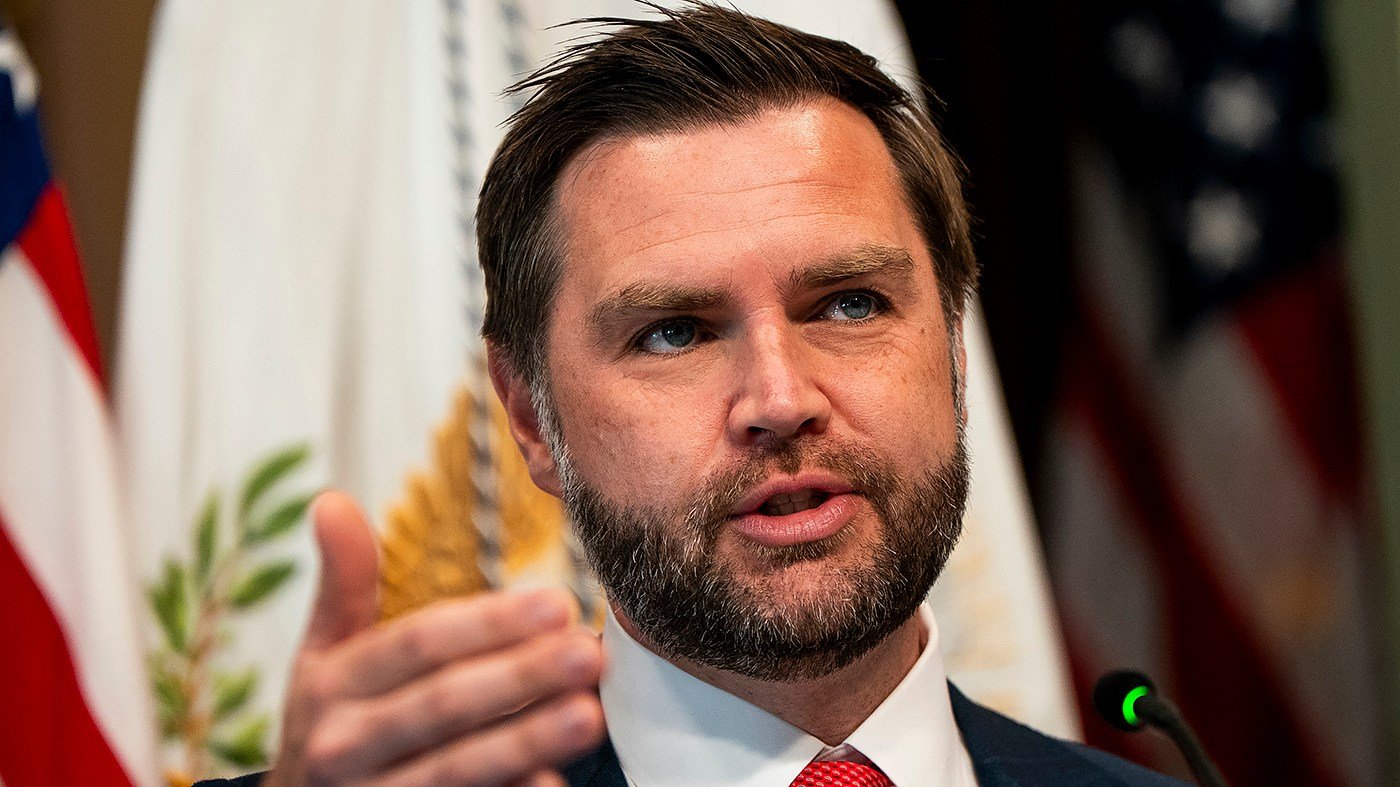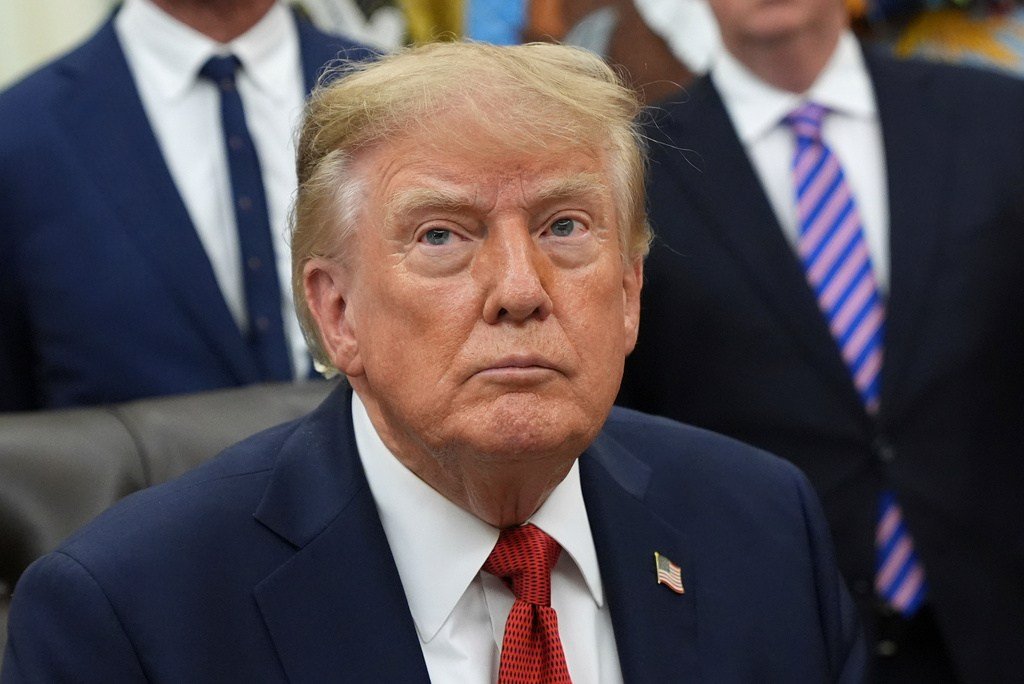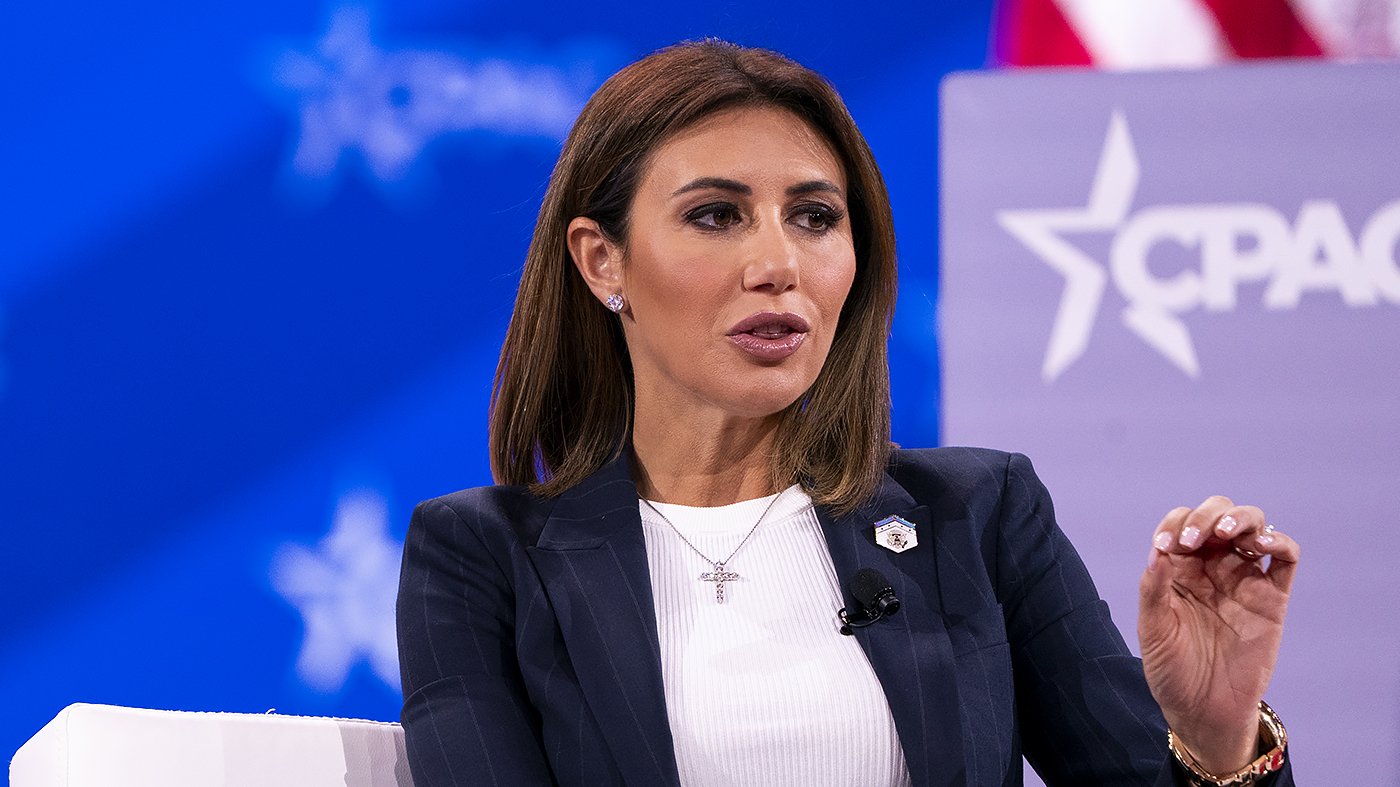
The U.S. Attorney's office in New Jersey has a new permanent leader, ending a protracted period of instability triggered by the unlawful tenure of its former Trump-appointed chief. Robert Frazer, a career prosecutor with more than two decades of service in the office, was appointed by federal district judges to assume the top role.
The appointment was confirmed in a court order and subsequent Justice Department filings, which noted the decision followed consultations between the federal judiciary and senior DOJ leadership. This process resolves a vacancy that had persisted since former U.S. Attorney Alina Habba was disqualified by U.S. District Judge Matthew Brann.
Legal Disqualification and Succession Issues
Judge Brann ruled earlier this month that Habba's service became unlawful after her 120-day interim term expired. The administration had employed what the judge termed a "novel series of legal and personnel moves" to keep her in the position. Following her resignation, a trio of prosecutors took over, but Brann also found that leadership structure to be invalid.
Habba, who is also former President Donald Trump's personal attorney, quickly praised Frazer's selection. "New Jersey deserves a great chief federal law enforcement official who is in line with President Trump's agenda of making this country safe and NJ great," she stated. She added that "THINGS GET DONE" when judges collaborate with Attorney General Pam Bondi and Deputy Attorney General Todd Blanche. Habba has indicated she may seek to return to the role if a higher court eventually sides with her interpretation of the vacancy rules.
Broader Pattern of Confirmation Challenges
The situation in New Jersey reflects a wider conflict between the courts and the Trump administration over the appointment of U.S. Attorneys. Federal vacancy law empowers district judges to appoint leaders when posts are empty, but administration officials argue the president retains sole authority to select nominees, even after temporary terms lapse.
This has created a standoff, with several of Trump's preferred candidates for U.S. Attorney positions facing disqualifications in districts like Nevada, California, New York, and Virginia as their Senate confirmations stall. The administration has blamed the Senate's "blue slip" process, which grants home-state senators veto power over judicial and prosecutorial nominees, for the delays. Currently, only 30 of the 93 U.S. Attorney districts are led by Senate-confirmed officials.
Habba was the first of Trump's political appointees to be found unlawfully serving, but her case has established a precedent affecting other key law enforcement posts. The administration's struggle to install its preferred prosecutors underscores the ongoing tension between executive authority and judicial oversight in filling critical vacancies. This comes as the administration is engaged in other complex diplomatic maneuvers, such as the recent extended ultimatum to Iran and denials of negotiations highlighted by figures like Iranian Parliament Speaker Ghalibaf.
Frazer's appointment brings a measure of stability to the New Jersey office, which handles significant criminal and civil matters. As a longtime insider, he is expected to steer the office away from the political controversies that marked its recent leadership and focus on its core law enforcement mission. The resolution, however, leaves unresolved the broader constitutional and procedural clash between the White House and the judiciary over appointment powers, a conflict likely to persist in other districts.