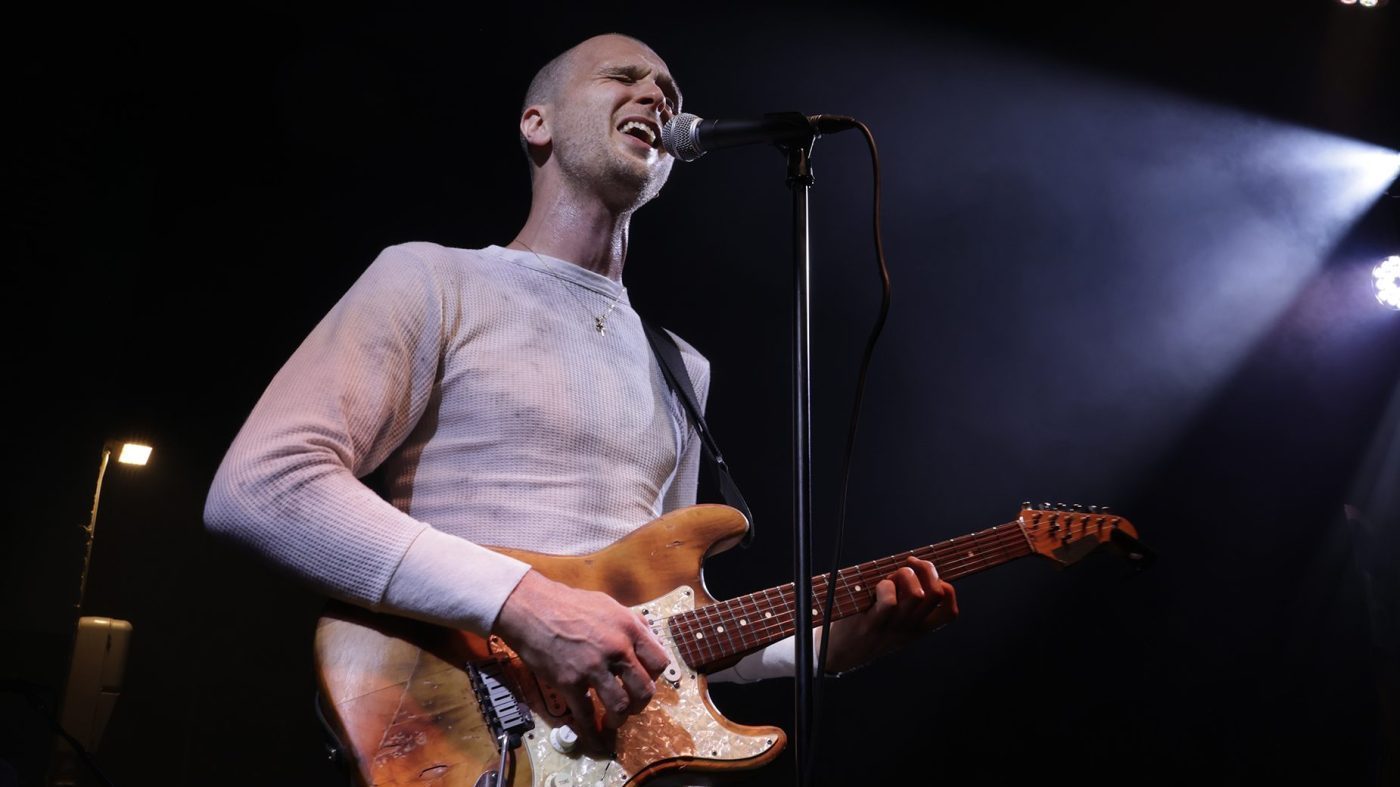
The White House is facing a legal challenge from R&B artist JMSN, who is demanding that the administration stop using his song in a taxpayer-funded advertisement promoting President Trump's political platform. The cease-and-desist letter, sent Monday to White House chief of staff Susie Wiles, argues that the use of the track "Love Me" in a 30-second spot is unauthorized and damaging to the artist's reputation.
The ad, which aired on television and was posted on the White House's official YouTube channel in early September, features rapid cuts of Trump alongside the 2023 song. The clip includes the president declaring, "America will never be a Communist country," and carries a "paid for by the U.S. government" disclaimer. JMSN, born Christian Berishaj, took to Instagram to distance himself from the administration, stating, "To anybody who has followed my career and knows what I stand for and built my career on, it should go without saying that I would never authorize my music to be used for ANY political agenda or campaign."
Represented by attorney Norm Eisen and the firm Ballard Spahr, JMSN's legal team contends that the ad's overtly partisan nature could undermine the artist's artistic independence. The letter asserts that the "unauthorized use" of the music "does further harm because it associates JMSN and the song with apparent violations of federal laws prohibiting the use of taxpayer dollars for political purposes."
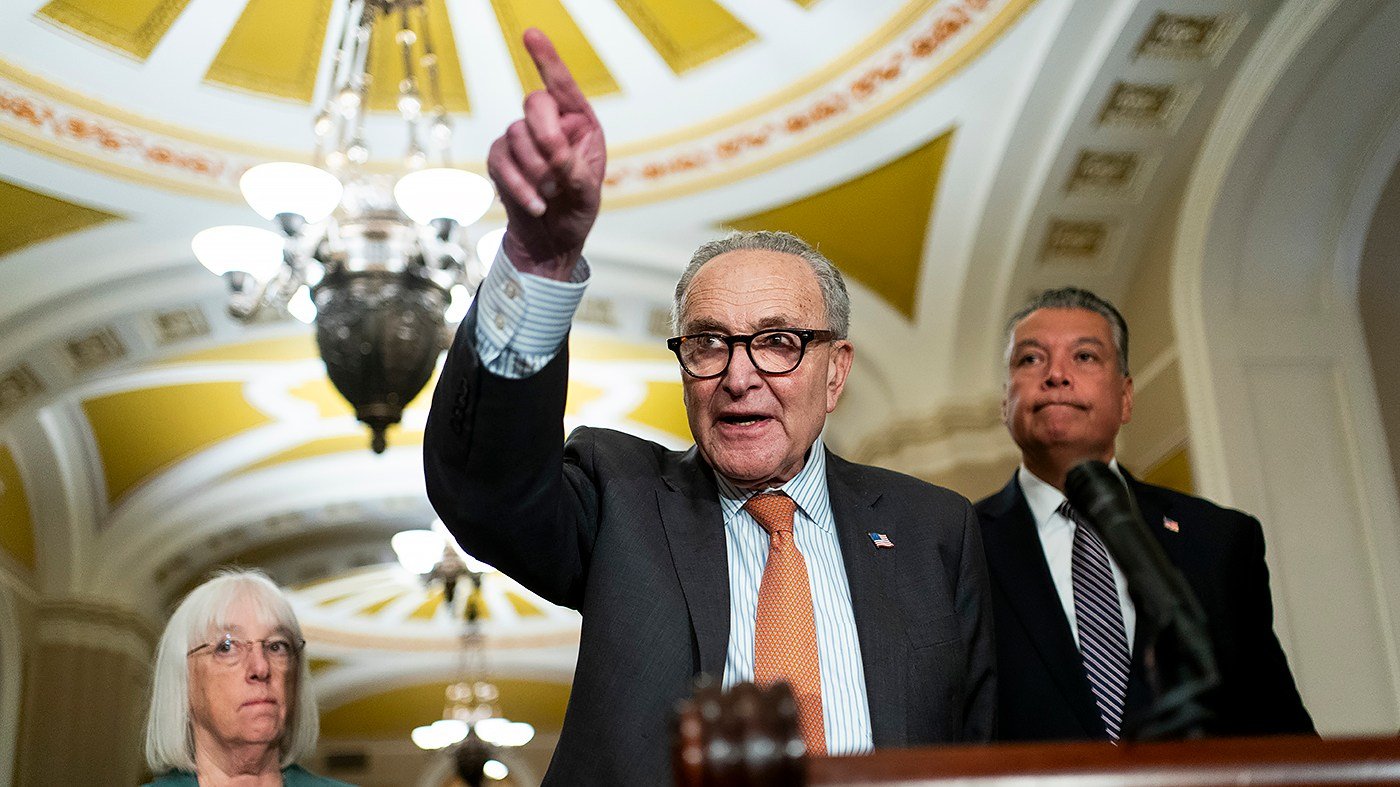
The White House has not yet responded to requests for comment on the letter. However, the controversy is part of a broader backlash against the administration's use of public funds for promotional content. Lawmakers from both parties have criticized the ads, with Senate Majority Leader John Thune (R-S.D.) saying, "It's a great message, I like the message, but it shouldn't be paid for by taxpayer dollars." Senator Mike Rounds (R-S.D.) echoed that sentiment, adding, "It would not have been something that I would have done."
In defense, White House officials have characterized the commercials as "very clearly not campaign ads," instead framing them as "a reminder for Americans to love their country and know why it's worth defending." This explanation has done little to quell concerns, especially as Democrats demand DHS answers on Trump ad spending, seeking clarity on how such expenditures align with federal appropriations rules.
JMSN is not alone in objecting to the administration's use of music. Earlier this month, Swedish singer Zara Larsson criticized the White House for using her hit "Midnight Sun" in a TikTok video showing immigration arrests and deportations. Other artists, including Foo Fighters, Jack White, and Celine Dion, have also publicly protested the use of their songs at Trump rallies or in administration content.
The legal letter from JMSN's team underscores a growing tension between the White House's promotional efforts and the rights of artists to control their work. As the ad continues to draw scrutiny, the administration may face further legal and political challenges over its spending and messaging. The Trump's AI pledge letter misspells 'United States' in presidential title is a separate but equally telling example of the administration's communication missteps.
For now, JMSN's cease-and-desist adds to the list of controversies surrounding the president's use of taxpayer dollars. With Senate panel advances Trump's surgeon general pick in party-line vote and other contentious issues on the agenda, the ad dispute is unlikely to fade quietly. The artist's legal team has made clear that they will pursue all necessary measures to protect JMSN's work and reputation.