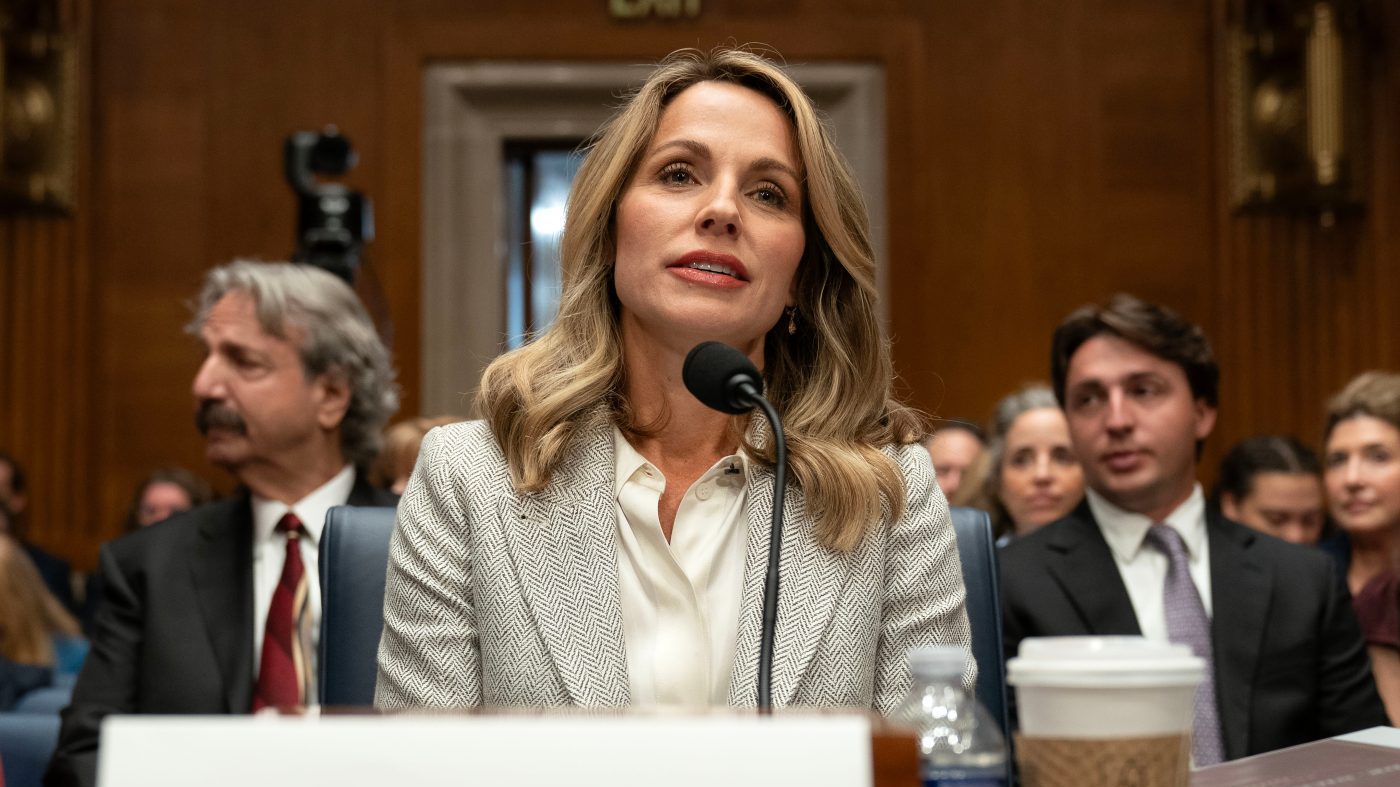
The Senate Health, Education, Labor and Pensions Committee voted Wednesday to advance President Trump's nominee for U.S. surgeon general, Nicole Saphier, in a strict party-line vote of 12-11. The action clears the way for a full Senate vote, but with the chamber set to recess for the midterm elections, that vote will not occur until after November.
Saphier, a radiologist and former Fox News contributor, is Trump's third pick for the post. She has built a substantial following as a health and wellness influencer on social media, amassing hundreds of thousands of followers. If confirmed, she would become the nation's top health spokesperson, a role primarily focused on delivering public health guidance to the American people.
The committee also advanced two other Health and Human Services nominations: Timothy Westlake for Assistant Secretary for Mental Health and Substance Use, and Mary Lazare for Assistant Secretary for Aging. Both were included in the same vote, which passed along party lines.
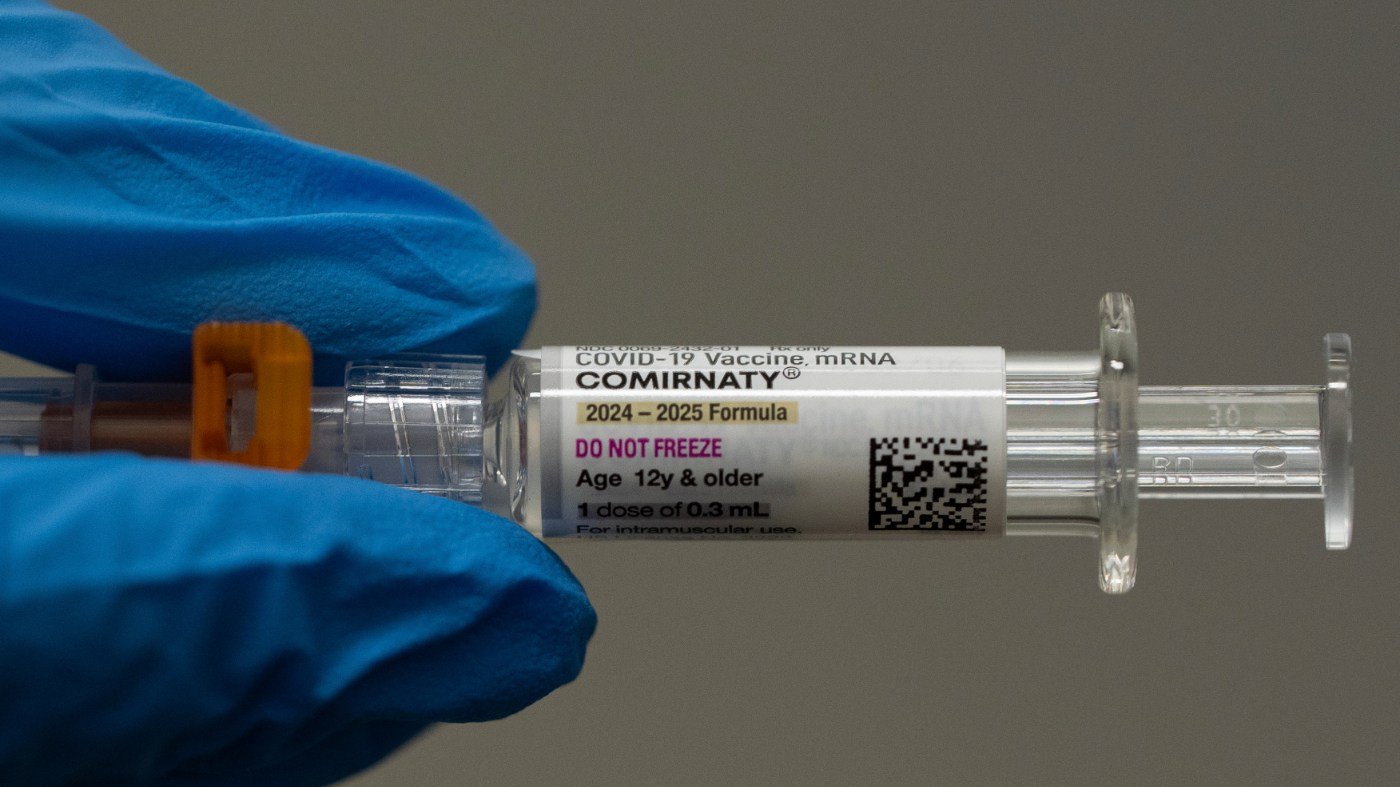
During her confirmation hearing, Saphier faced sharp questioning from Democrats and some Republicans about her willingness to challenge President Trump and Health Secretary Robert F. Kennedy Jr. on vaccine policy. Both have promoted the debunked claim that the measles, mumps, and rubella (MMR) vaccine is linked to autism, a position that has been thoroughly refuted by scientific research.
Sen. Bill Cassidy (R-La.), the HELP Committee chair, pressed Saphier directly on whether parents should vaccinate their children with the MMR shot. Saphier called the vaccine “our greatest tool for combatting measles” but declined to give a definitive yes or no answer, saying only that she would not openly contradict Kennedy.
Cassidy, a physician, admonished Saphier for her equivocation, telling her not to hedge on such a critical public health question. The exchange underscored the tension within the GOP over vaccine policy, as Trump and Kennedy have both amplified anti-vaccine rhetoric despite overwhelming scientific consensus.
Saphier's nomination has drawn attention not only for her media background but also for her potential role in shaping public health messaging during a period of heightened scrutiny of federal health agencies. Her confirmation would come as the administration faces potential loss of $2.5 billion in health funds due to a looming fiscal cliff, which could complicate her mandate.
The delay in her floor vote means Saphier's confirmation will be decided in the lame-duck session, when the political landscape may shift depending on the outcome of the midterms. If Democrats take control of the Senate, her chances of confirmation could diminish significantly.
Meanwhile, the committee's advancement of the HHS nominees signals the administration's intent to fill key health positions despite the partisan divide. The full Senate will take up all three nominations after the midterm recess.