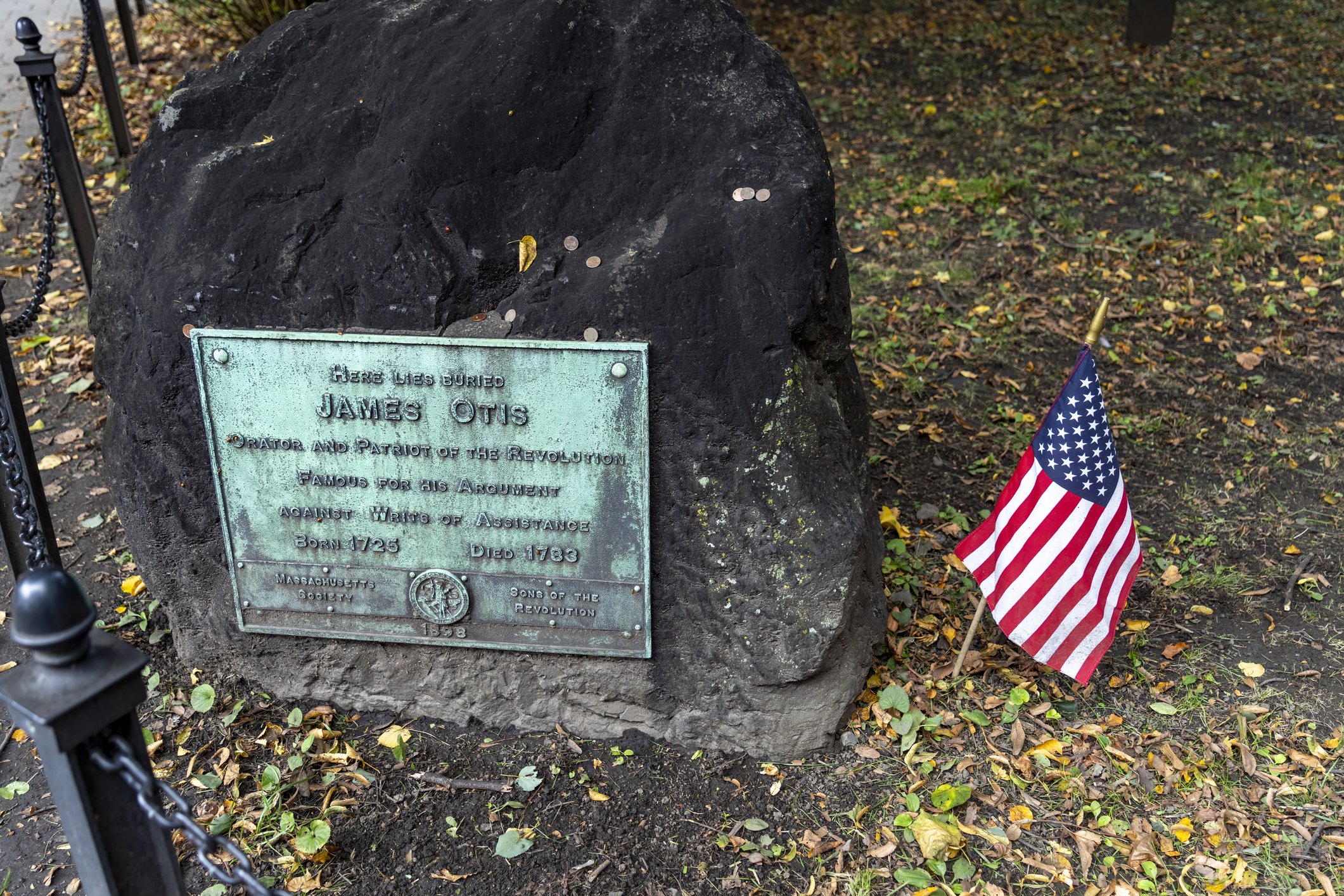
As the United States prepares to mark its 250th anniversary this summer, the spotlight will naturally fall on the iconic founders: Washington, Jefferson, Adams, and Franklin. Yet the intellectual architecture of American liberty was built not only by statesmen but by early legal advocates like James Otis, a Massachusetts lawyer whose 1761 courtroom battle planted the ideological seeds of revolution.
Otis, a Harvard-educated attorney, seized a pivotal moment in 1761 by representing Boston merchants against "writs of assistance." These general search warrants allowed British customs agents to raid colonial homes and businesses without specific suspicion. Otis argued the writs violated both English common law and a higher natural law, asserting that government power was inherently limited by fundamental individual rights.

Though he lost the case, his performance was legendary. A young John Adams, who witnessed the oration, later declared that "then and there the child Independence was born." Otis had introduced a radical, foundational concept to colonial discourse: that authority, even royal authority, was subordinate to immutable principles of justice and natural right.
He expanded these ideas in his influential 1764 pamphlet, "The Rights of the British Colonies Asserted and Proved," making a robust case for the colonists' rights as British subjects. Notably progressive for his era, Otis even argued for racial equality, framing liberty as a universal human condition rather than a privilege of birth.
Tragedy cut short his public career. In 1769, a physical altercation with a British official caused a severe head injury, leading to a prolonged decline in his mental health. He faded from the political scene as the independence movement gained momentum, ultimately dying in 1783 after being struck by lightning. He lived just long enough to see the nation he helped conceptualize win its freedom.
Otis never served in the Continental Congress, signed the Declaration, or helped draft the Constitution. Yet his legacy is embedded in the nation's founding documents. His vehement opposition to arbitrary searches directly inspired the Fourth Amendment's protections against unreasonable searches and seizures. His core philosophy—that government power must be constrained by enduring principles—became a cornerstone of American constitutional thought.
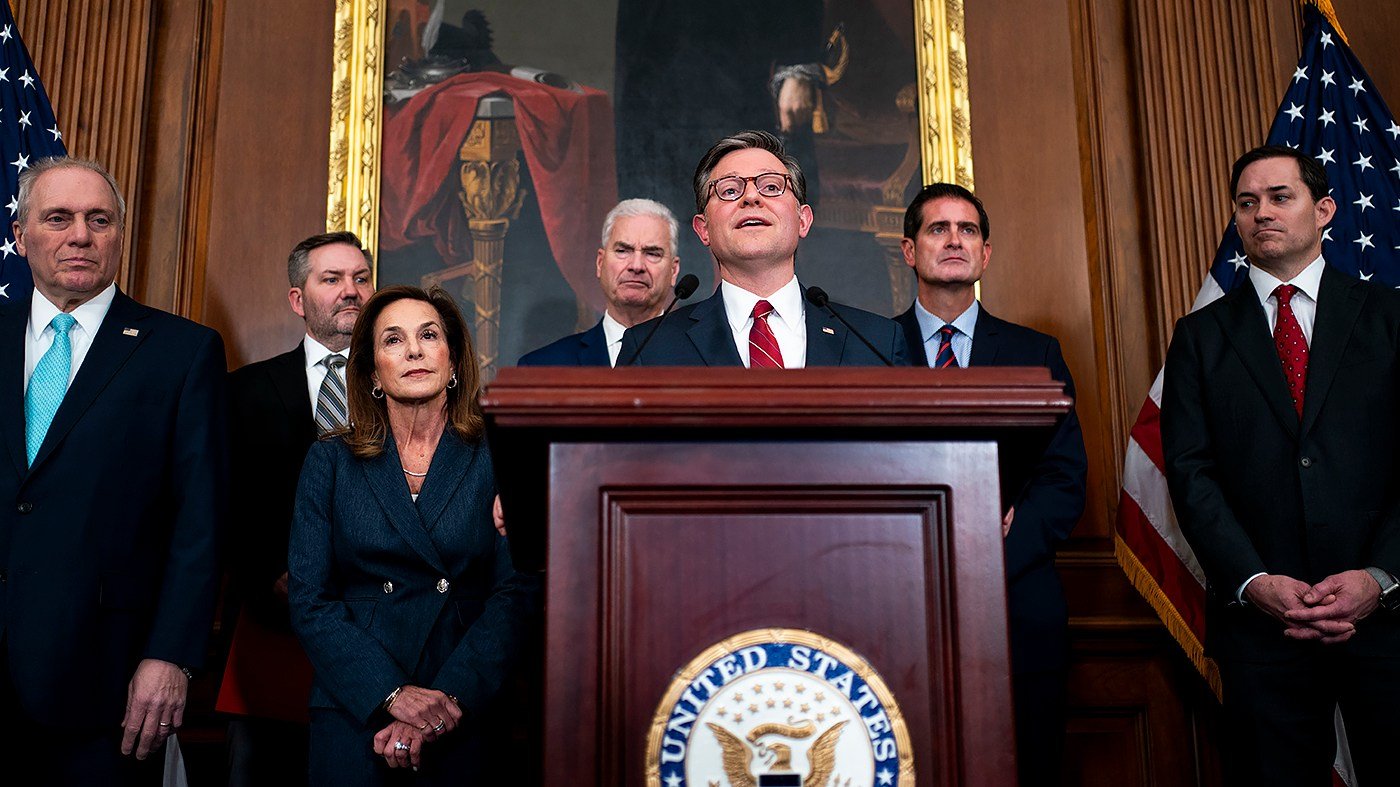
His arguments against unchecked state power resonate in contemporary debates. The ongoing congressional fight over reauthorizing Section 702 of the Foreign Intelligence Surveillance Act centers on the same tension between security and privacy that Otis confronted. Similarly, recent revelations that the FBI purchased Americans' location data without warrants show the enduring relevance of defining the limits of government surveillance.
The story of James Otis underscores that profound influence on a nation's political life often occurs outside formal office. His intellectual labor in a Boston courtroom helped forge the constitutional conscience that would justify revolution and shape a republic. As the nation reflects on 250 years of history, remembering Otis is to remember that the American experiment began not with a shot, but with a legal argument about the boundaries of power.