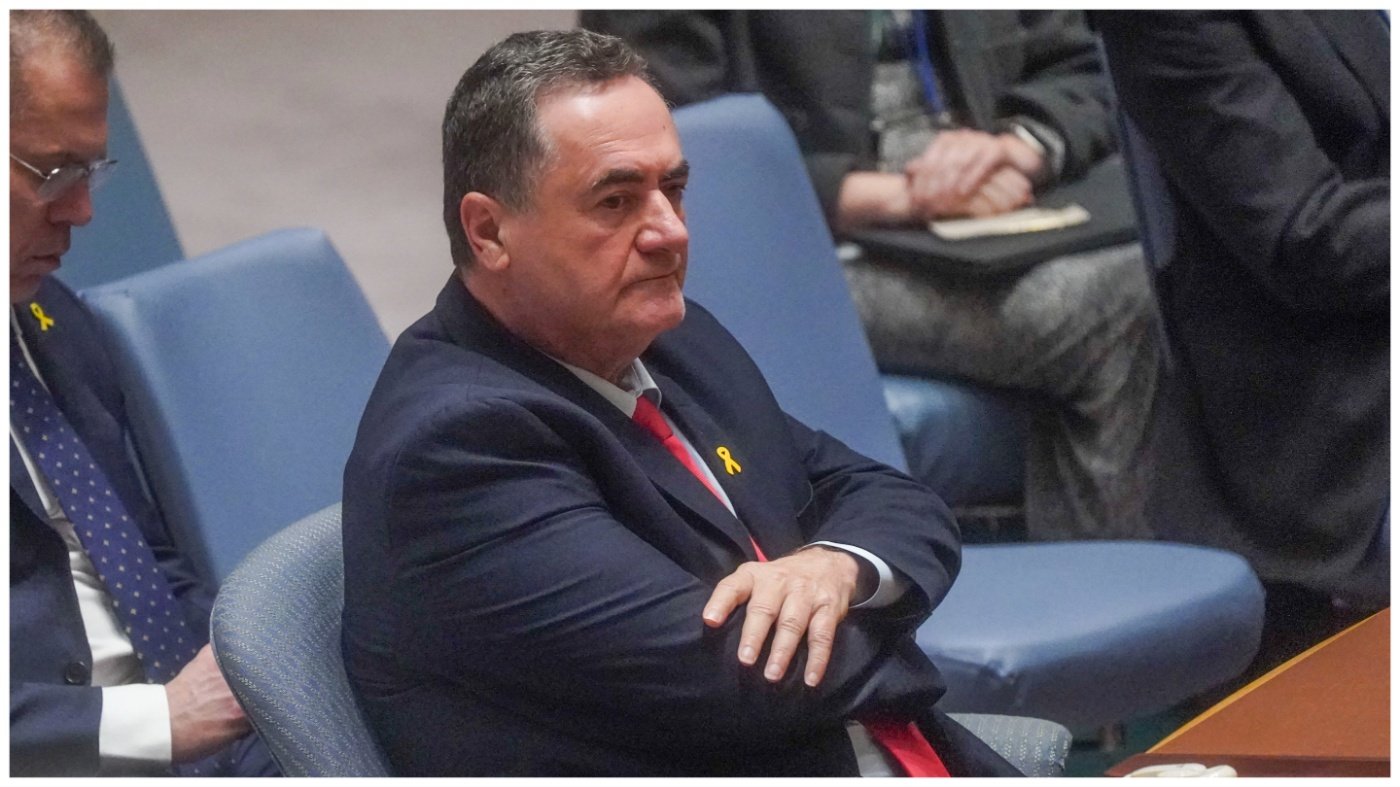
Israeli Defense Minister Israel Katz and National Security Minister Itamar Ben-Gvir declared on Monday that Israel will not pull back from territory it has seized in Lebanon, directly rebuffing a preliminary ceasefire extension agreed between the United States and Iran.
“Trump’s agreement does not bind us,” Ben-Gvir wrote on X, in a post translated from Hebrew. “Israel is not subject to the United States, and we are an independent and sovereign nation!” He added that Israel must insist on dismantling Hezbollah and should not withdraw from any ground its forces have cleared of militant infrastructure. “We must not return to a situation where thousands of terrorists sit on the fences of northern settlements,” he wrote, “and certainly we must not remain silent for a moment in the face of fire directed at the State of Israel.”
In a separate statement, Katz said the Israeli Defense Forces will remain in what he called “security zones” in Lebanon, Syria, and Gaza indefinitely. He vowed to clear those areas of residents and destroy all terrorist infrastructure, both above and below ground, including homes in contact villages that served as militant outposts. Katz also warned that if Iran retaliates against continued Israeli strikes in Lebanon, Israel will respond with “great force.”
The hardline stance comes as the Trump administration finalizes a preliminary deal with Tehran that would reopen the Strait of Hormuz, restart oil and fuel exports from the Middle East, and eventually lower gas prices. The agreement also opens a 60-day window for negotiations on Iran’s nuclear program—a key trigger for U.S. and Israeli strikes on Iran in February. No formal text has been released.
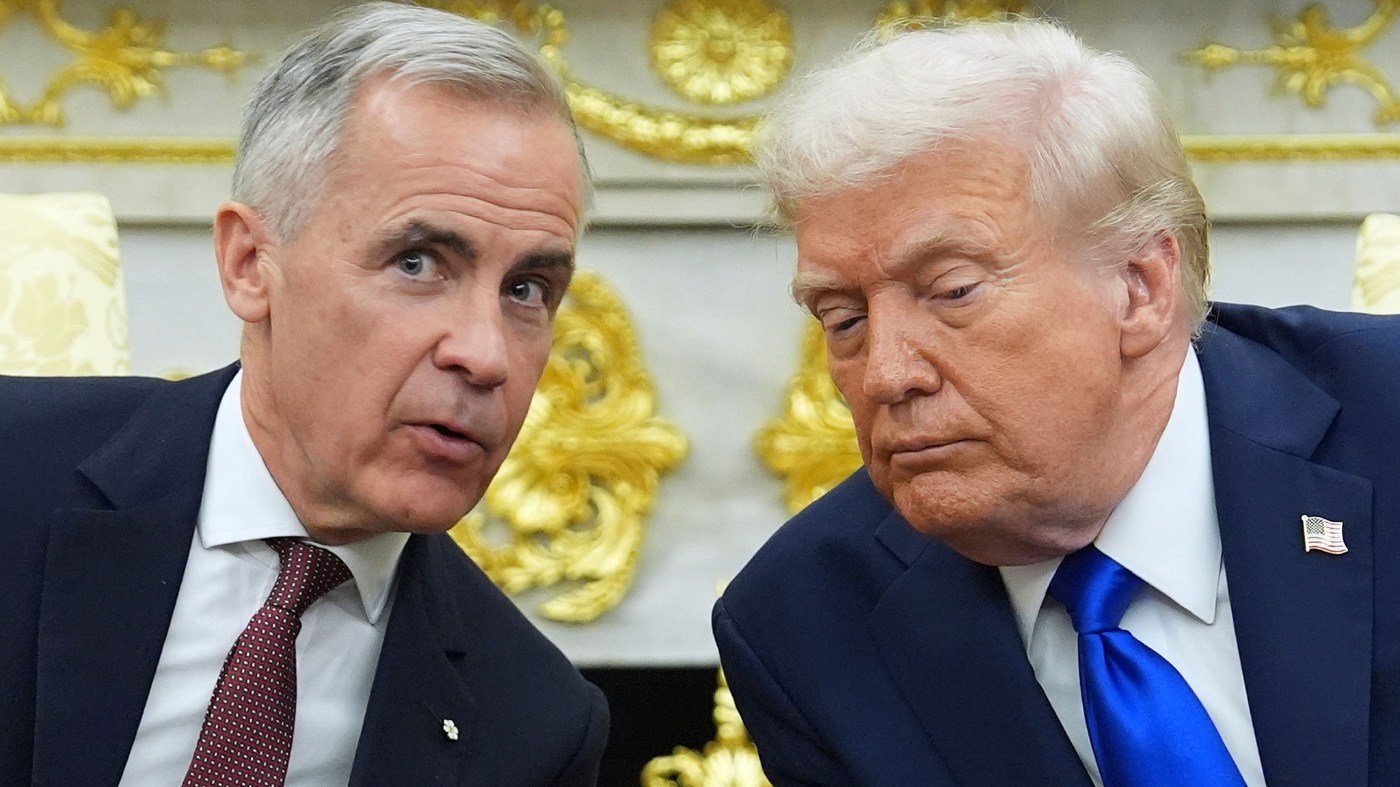
Last week, Iran fired back at Israel after IDF bombed Beirut’s southern suburbs. The strikes resumed Sunday, prompting President Trump to warn Prime Minister Benjamin Netanyahu to “not blow it” as the peace deal was being finalized. Netanyahu, whom Trump criticized after the latest bombings, has not publicly commented. A spokesperson for his office told the Associated Press that Israel will defend itself against threats to its security.
Analysts see the Israeli pushback as a potential spoiler for the broader diplomatic effort. Earlier, Defense Secretary Pete Hegseth argued that Hezbollah-Israel clashes would not derail the U.S.-Iran deal ahead of signing, though some experts, like former official David Fischer, doubt Israel is trying to sabotage the agreement. Meanwhile, Iran’s envoy to Mexico has suggested Tehran could become a U.S. “friend” if Trump drops his focus on Israel.
The developments underscore a widening rift between Washington and its closest Middle East ally over the pace and scope of diplomacy with Iran. For now, Israel appears determined to press its military campaign in Lebanon regardless of the emerging U.S.-Iran framework.

