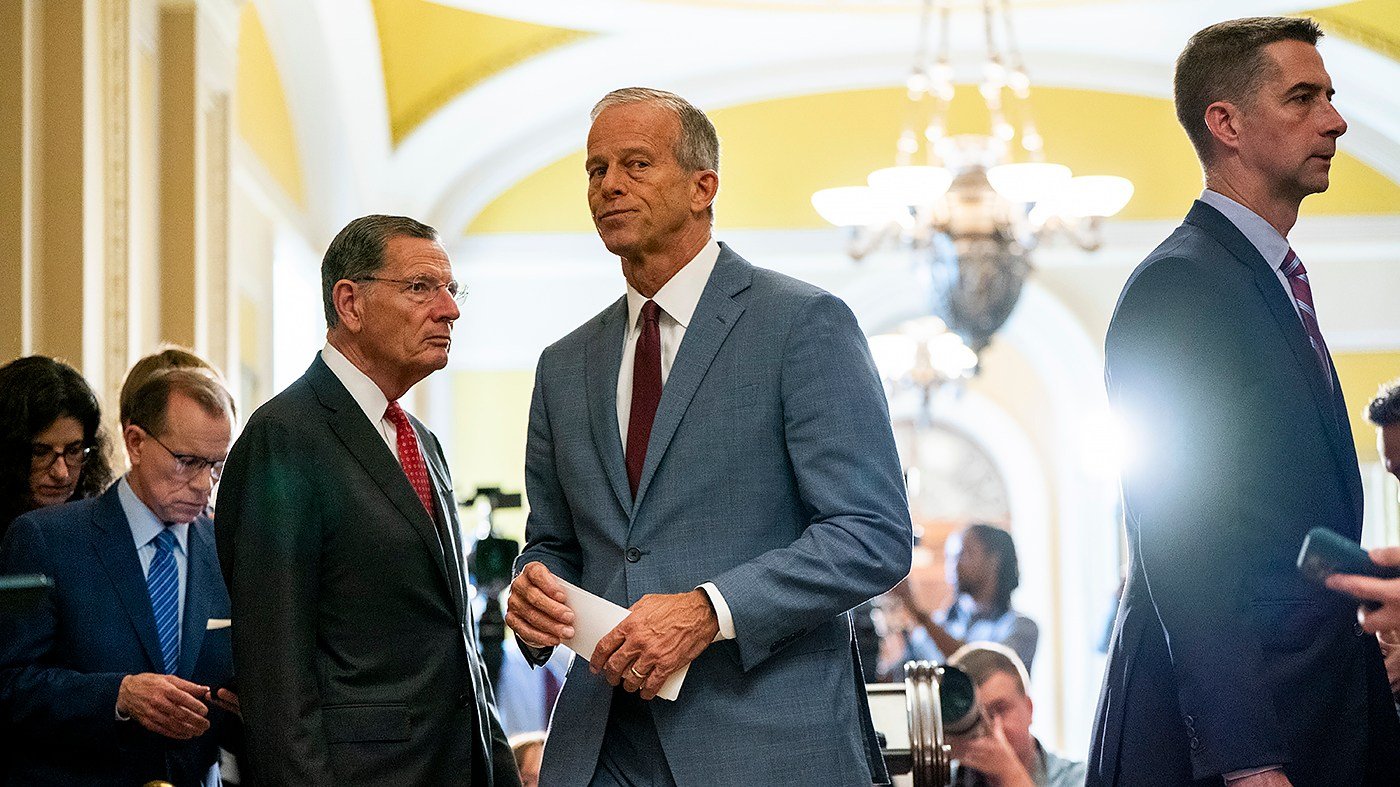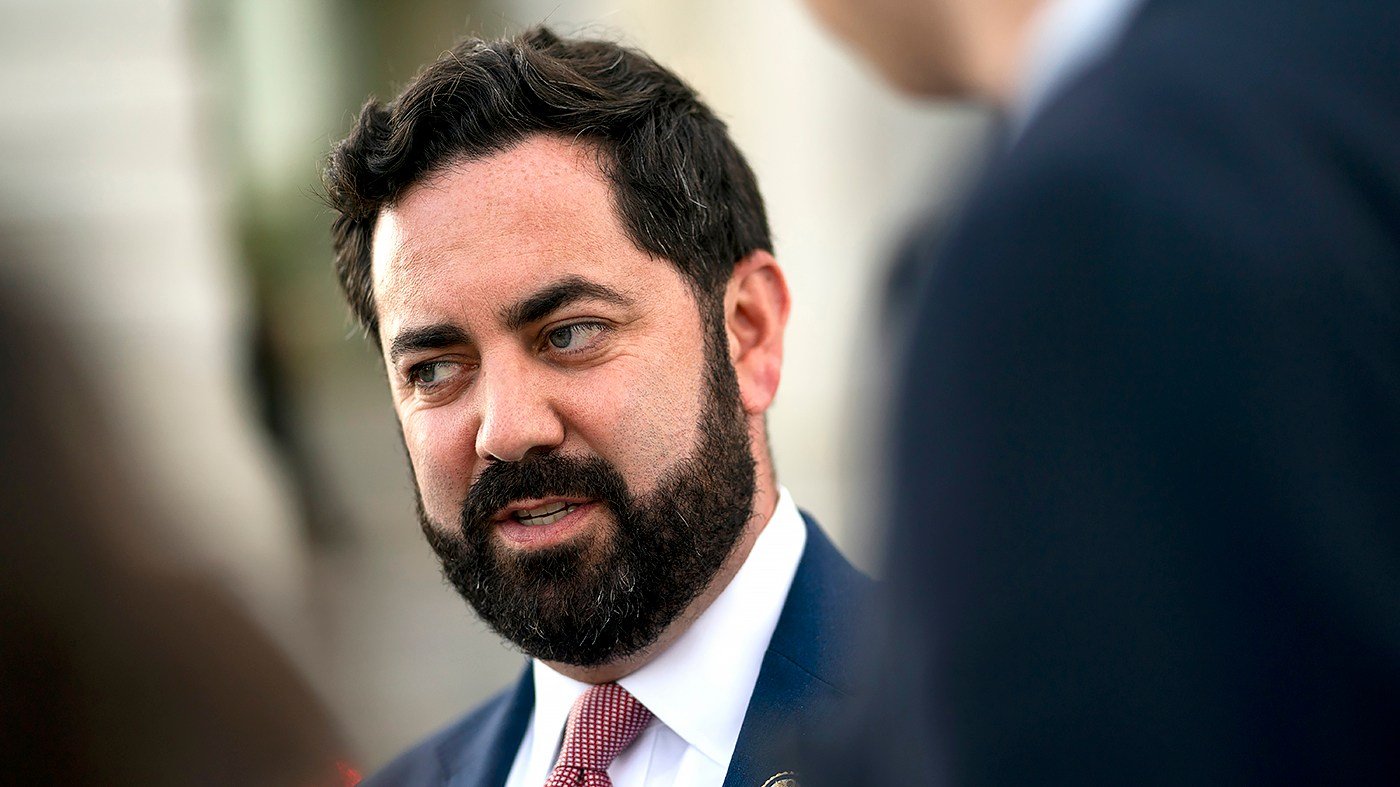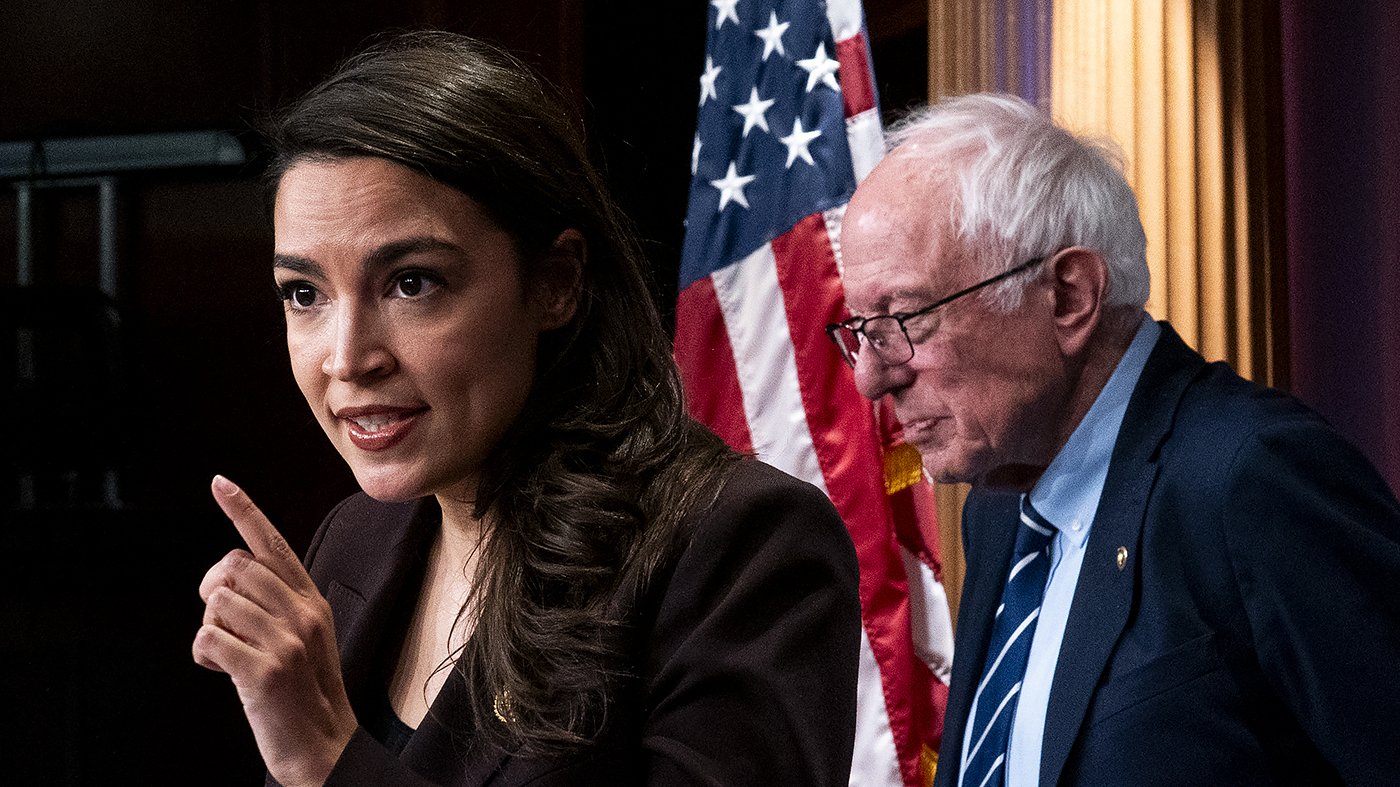
A fresh Washington Post/Ipsos survey delivers a stark verdict for the democratic socialist movement: a clear majority of Americans say they would not back a self-identified democratic socialist candidate for president. The poll, conducted July 8-13 among 2,648 adults, found 55 percent of respondents unwilling to even consider such a candidate, against 39 percent who would. Six percent offered no opinion.
The findings come as democratic socialists notch high-profile primary victories and generate buzz about a potential 2028 White House run. New York City Mayor Zohran Mamdani, who toppled former Governor Andrew Cuomo in last year's Democratic mayoral primary, has emerged as a leading figure. Meanwhile, Representative Alexandria Ocasio-Cortez (D-N.Y.)—another prominent democratic socialist—is frequently mentioned as a possible presidential contender.
Proponents of democratic socialism push for systemic change, arguing that ordinary people should have more control over workplaces and communities, and that the capitalist class should be challenged. The Democratic Socialists of America (DSA), the largest such organization in the U.S., envisions a system where ordinary people have a real voice in society. However, the poll suggests this vision remains a tough sell nationally.
Beyond the presidential question, the survey probed broader attitudes. Only 15 percent of respondents said they like democratic socialist political leaders either “a lot” or “a little,” while 36 percent said they dislike them. A plurality—46 percent—expressed neutrality, saying they neither like nor dislike such leaders. That ambivalence has been a recurring theme in recent polling, as new polls reveal deep ambivalence about democratic socialism.
The movement’s growing influence within the Democratic Party has sparked internal tensions. Some Democrats worry that a democratic socialist standard-bearer could alienate swing voters in general elections, while others argue the party needs a bold progressive agenda to energize the base. These divisions have already surfaced in Senate races, with Senate Majority Leader Chuck Schumer pressing Senator John Fetterman to remain in the Democratic caucus as party rifts widen.
The poll also underscores a broader challenge for democratic socialists: the constitutional oath dilemma. Some candidates have faced questions about whether their platform fully aligns with the U.S. Constitution, a debate that democratic socialists face after recent platform changes. Critics often label the movement as extreme, with former President Donald Trump warning of a “communist threat” in Michigan as the Democratic Senate primary heats up there.
For now, the data suggests that democratic socialism remains a niche appeal. The margin of error for the Post/Ipsos poll is plus or minus 1.9 percentage points, making the 16-point gap between rejecters and supporters statistically significant. Whether the movement can broaden its appeal ahead of 2028—or whether it will remain a factional force—is an open question that will shape Democratic primary dynamics.