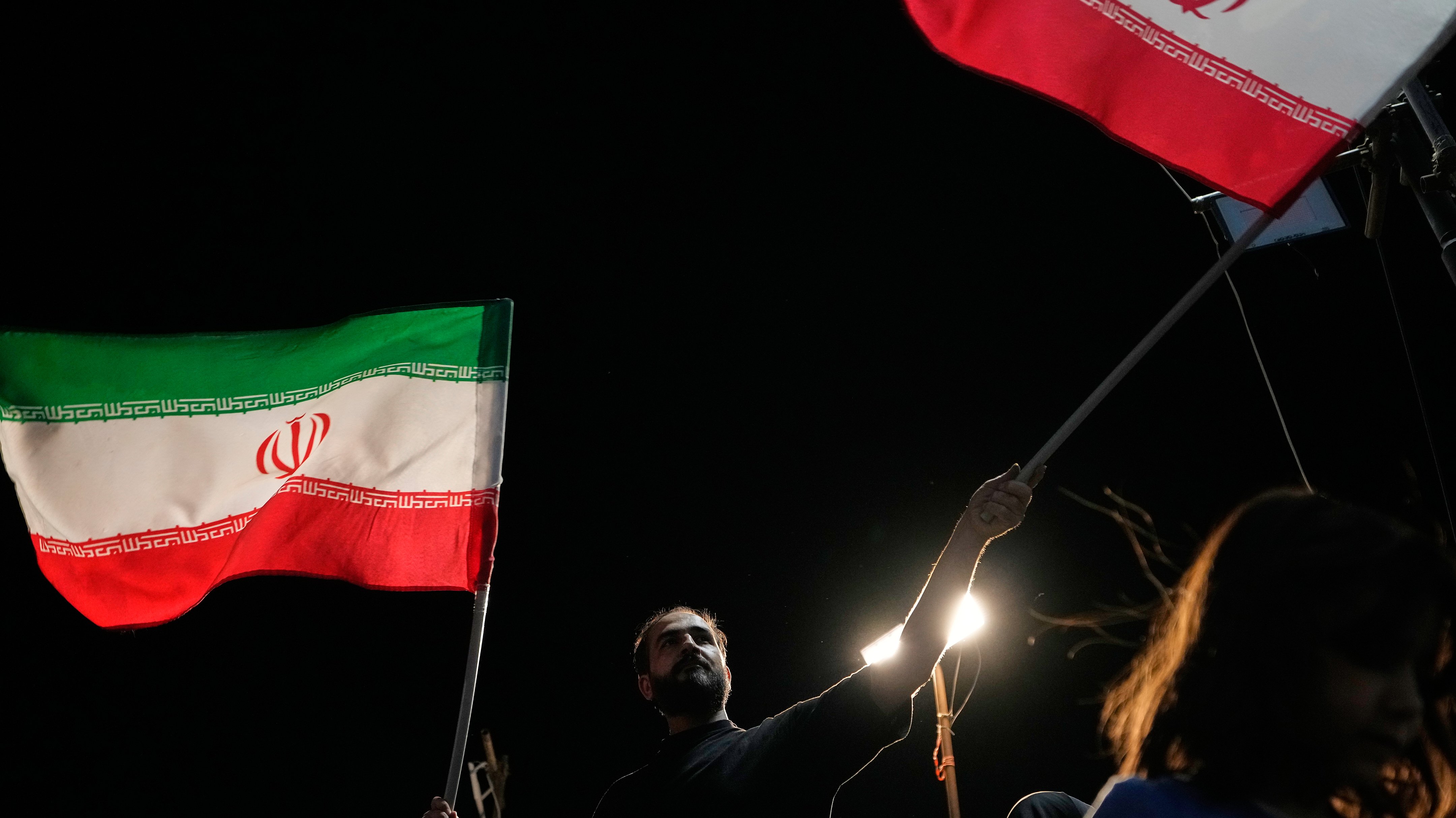
Iran pushed back Sunday against reports suggesting the United States might tap into Iranian assets to reimburse Gulf allies for losses incurred during the conflict, as both sides navigate fragile ceasefire talks.
Deputy Foreign Minister Kazem Gharibabadi took to social media platform X to reject the notion, stating that Tehran's neighbors are "not in a position to demand reparations." He argued that Iran's assets are "neither war spoils for Washington nor a payment fund for its allies."
Gharibabadi instead reiterated Iran's own demand for war reparations, a stance that has complicated negotiations with the Trump administration. "Iran will not let the aggressors off the hook and will demand and obtain reparations for the damages of war," he wrote in a pointed post.
He further warned that any attempt to seize, transfer, or allocate Iranian property without Tehran's consent would constitute "a new internationally wrongful act." Such a move, he added, would trigger legal responsibility for the United States, especially when it "claims to seek negotiation and understanding," and would prompt an "appropriate response from Iran."
The dispute comes as U.S. allies including Qatar, Kuwait, Bahrain, and the UAE have faced repeated drone and missile attacks during the Iran war. Last week, a strike on Kuwait's airport killed one person and injured over 60. Iran's Islamic Revolution Guard Corps (IRGC) denied responsibility, attributing the damage to a U.S. missile interceptor error—a claim quickly dismissed by U.S. Central Command, which said it had intercepted six Iranian missiles aimed at military bases in Kuwait and Bahrain.
President Trump, alongside other international leaders, has been pushing to end the conflict as tensions between Tehran and Israel escalate over strikes in Lebanon. On Monday, Trump urged both Israel and Iran to cease hostilities, noting that both sides were seeking a ceasefire. The administration's broader diplomatic efforts have faced hurdles, as seen in stalled attempts to widen the Abraham Accords amid disagreements over linking normalization with Iran talks.
The asset dispute underscores the fragility of the ceasefire process. Iran's insistence on reparations, coupled with its rejection of any U.S. use of its assets, sets the stage for further friction. Gharibabadi's comments also signal that Tehran views any unilateral action by Washington as a breach of international law, potentially derailing negotiations.
As the region remains on edge, the U.S. and its allies continue to assess the fallout from the conflict. The Pentagon has bolstered defenses in the Gulf, while diplomatic channels remain open but strained. The coming weeks will test whether both sides can bridge their differences or if the ceasefire effort will collapse under the weight of mutual recriminations.