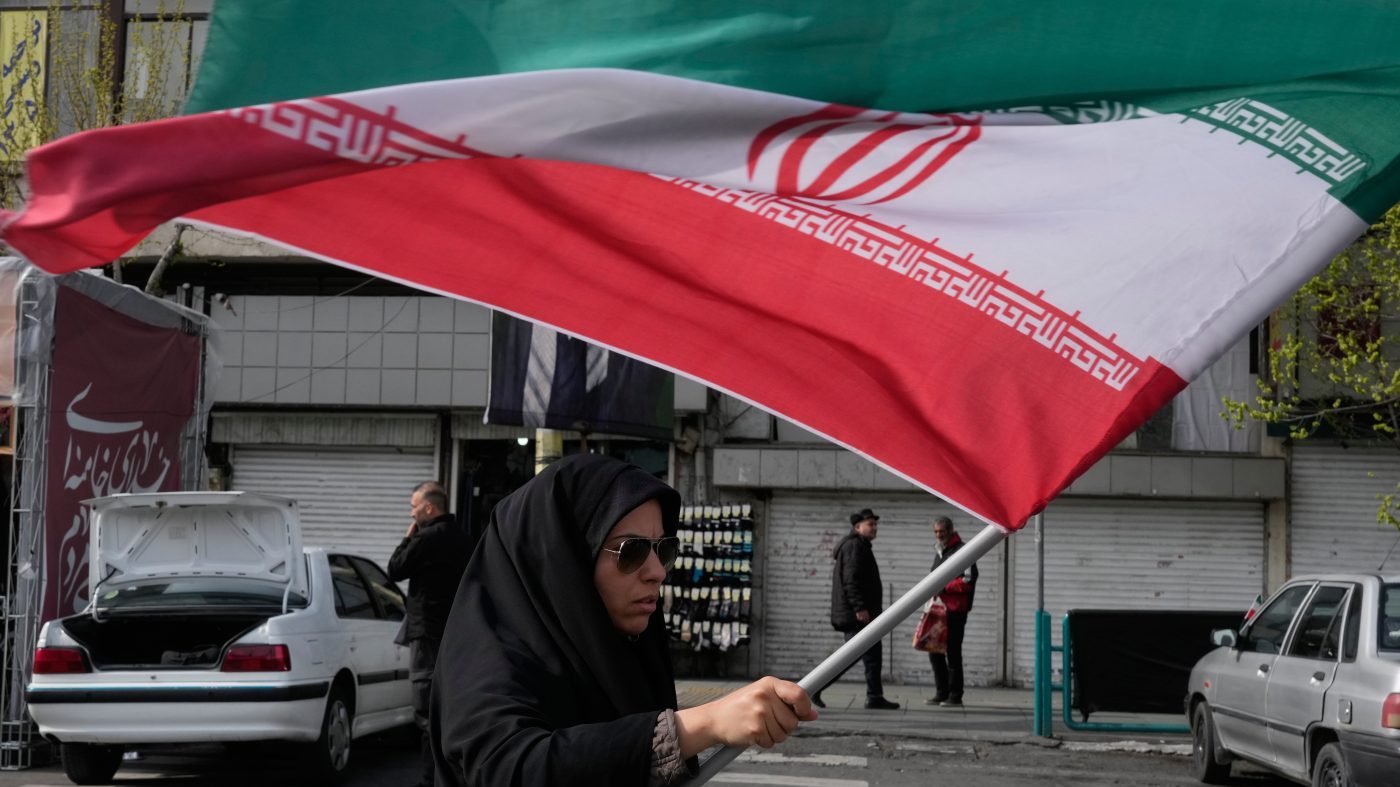
Iran has formally dismissed a comprehensive ceasefire proposal from the United States, according to Pakistani officials who acted as intermediaries. The 15-point plan, delivered this week, sought to de-escalate regional hostilities but was met with immediate rejection by Tehran, even as it continued military operations against Israel and in the Persian Gulf.
Proposal Details and Immediate Rejection
The proposed framework, outlined by Pakistani officials to The Associated Press, centered on significant concessions. Key provisions included relief from international sanctions, civilian nuclear energy cooperation, and limits on Iran's missile programs. In return, Tehran would be required to roll back its nuclear development and submit to enhanced monitoring by the International Atomic Energy Agency (IAEA). A critical component involved reopening shipping access through the Strait of Hormuz, a vital oil chokepoint Iran has restricted since late February, contributing to rising global energy prices.

Despite the proposal's scope, Iranian officials signaled no interest. The rejection coincided with new Iranian strikes overnight, including one that ignited a major fire at Kuwait International Airport, highlighting the widening regional conflict. This dynamic underscores the challenges facing diplomatic efforts to host US-Iran talks even as military posturing intensifies.
Contradictory Signals from Washington and Tehran
The diplomatic landscape is marked by starkly conflicting narratives. President Trump announced a five-day pause on previously threatened U.S. strikes against Iranian energy infrastructure, citing "productive conversations." He revealed that envoys Steve Witkoff and Jared Kushner engaged with Iranian counterparts, and later stated that Vice President Vance, Secretary of State Marco Rubio, and himself were involved in negotiations.
Tehran, however, has publicly denied any talks are occurring. Mohammad Bagher Ghalibaf, Speaker of Iran's parliament, labeled reports of negotiations as "fake news" designed to manipulate financial markets and extricate the U.S. and Israel from a "quagmire." This denial came despite reports from Axios that Witkoff and Kushner were in contact with Ghalibaf directly, pointing to a possible backchannel that Tehran refuses to acknowledge publicly.
Military Preparations Amid Diplomatic Flurry
Even as the White House points to dialogue, the Pentagon is preparing for escalation. A source confirmed plans to deploy approximately 2,000 soldiers from the U.S. Army's 82nd Airborne Division to the Middle East, a move signaling preparedness for continued instability. This military planning occurs against a backdrop where, as former officials have warned, control of strategic waterways like the Strait of Hormuz remains a paramount security concern.
The situation presents a complex challenge for the Trump administration, which has simultaneously claimed a diplomatic breakthrough with Iran while overseeing a military buildup. The rejection of the ceasefire plan suggests Tehran is unwilling to engage on Washington's current terms, viewing its military actions as leverage.
Broader Political Context
The stalled diplomacy with Iran unfolds as the administration faces domestic political pressures, including a Congressional deadlock on DHS funding. The international standoff also has immediate economic ramifications, with global oil markets sensitive to any hint of conflict or resolution in the Persian Gulf. Iran's strategy appears to combine military pressure with a refusal to publicly legitimize U.S. diplomatic outreach, complicating efforts to find an off-ramp to the crisis.
The revelation by Pakistani officials places Islamabad in a delicate position, having facilitated the communication of a proposal that was swiftly rebuffed. The episode highlights the limited diplomatic avenues available and raises questions about what, if any, terms might bring Iran to the table. For now, the cycle of public denials, private contacts, and military preparations continues, with no clear path to de-escalation in sight.