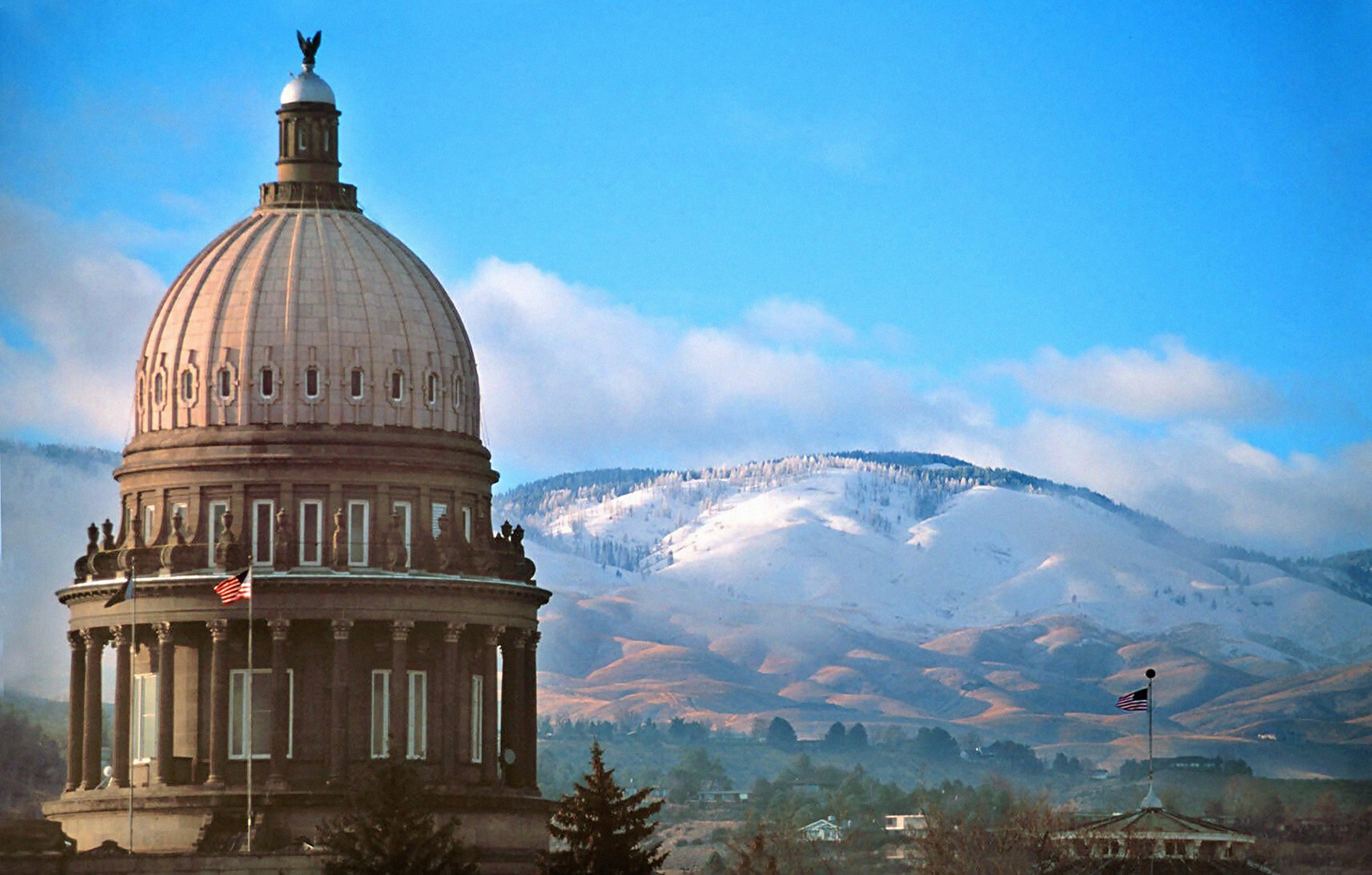
Idaho's Republican-controlled legislature has enacted a series of laws addressing gender identity that would have been unthinkable to political leaders a generation ago. The measures include restrictions on medical transitions for minors, protections for single-sex sports, and legislation governing access to restrooms and locker rooms based on biological sex.
Legislative Response to School Incident
The most recent legislation, House Bill 822, followed a controversial incident at a local high school where a biologically male student identifying as female was permitted to use girls' facilities. A female student reported encountering inappropriate behavior, and her family's complaints were dismissed by school officials. This event became a catalyst for lawmakers who argue such policies compromise safety and parental rights.
"Parents are the primary stakeholders in raising their children," said one legislative supporter who requested anonymity. "It should raise immediate concerns when school personnel encourage children to keep secrets from their families regarding identity matters."
Media Coverage Sparks Conservative Backlash
Coverage of the legislation and related protests has drawn sharp criticism from conservative voices who accuse Idaho media outlets of adopting progressive narratives at odds with the state's political leanings. Following a sit-in protest at Governor Brad Little's office that resulted in nine arrests, the Idaho Capital Sun published an extensive article featuring interviews with detained activists.
The article characterized HB 822 as "outing trans kids to parents," adopting the protesters' premise that some transgender youth require protection from unsupportive families. Conservative critics noted the piece included numerous quotes from opponents of the legislation but made minimal effort to present supporting arguments from lawmakers or constituents who back the measures.
Even more established outlets like the Idaho Statesman described the legislative package as "targeting" or "aimed at LGBTQ+ people," language that conservative readers argue presupposes controversial assumptions about gender identity that many Idahoans reject.
Political Context and Media Dynamics
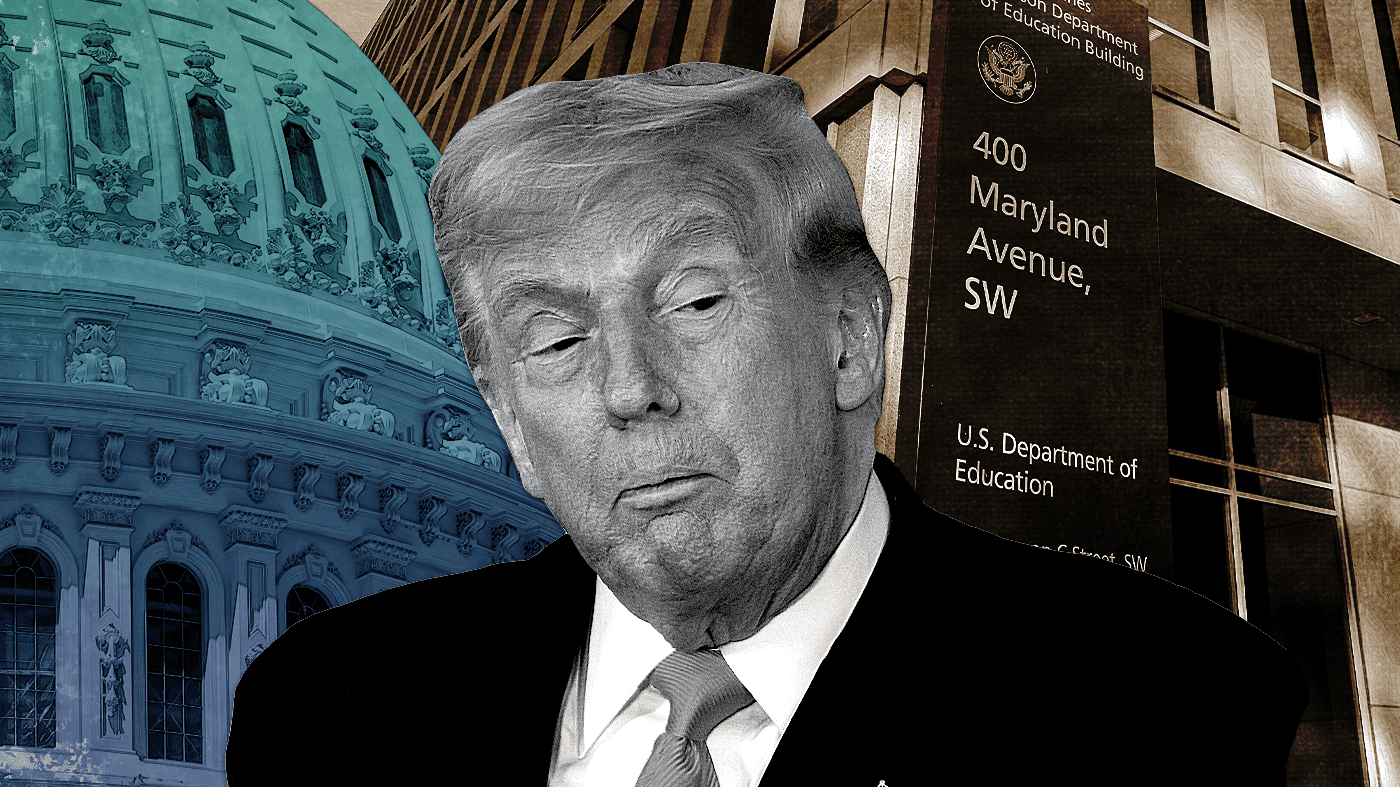
The debate occurs in a state where former President Donald Trump secured approximately 67% of the vote in the 2024 election. Conservative commentators question why local media coverage often resembles reporting from progressive urban centers rather than reflecting the perspectives of Idaho's predominantly right-leaning electorate.
Some analysts point to broader trends in journalism, including media consolidation and the profession's increasing appeal to activists, as factors influencing coverage. This phenomenon isn't unique to Idaho; similar concerns about media narratives shaping public perception have emerged in national politics, as seen when political figures blame media narratives for exaggerating internal party tensions.
The situation echoes concerns about media objectivity in other contexts, such as when federal regulators intervene in media mergers over consolidation worries, or when unconventional media tactics disrupt traditional political reporting norms.
Broader Implications
Brian Almon, chairman of Idaho's District 14 Republican Party and editor of the Gem State Chronicle, argues that consistently framed media coverage can gradually influence public perception. "When residents repeatedly encounter narratives portraying activists as brave and lawmakers as extreme," Almon suggests, "they may begin to question whether their own views—that biological sex matters in policy—are marginal or socially unacceptable."
This legislative push represents one front in a national cultural debate, with Idaho positioning itself at the forefront of conservative policy responses to evolving gender identity discussions. The disconnect between media framing and constituent perspectives highlights ongoing tensions about representation, objectivity, and the role of local journalism in politically homogeneous regions.