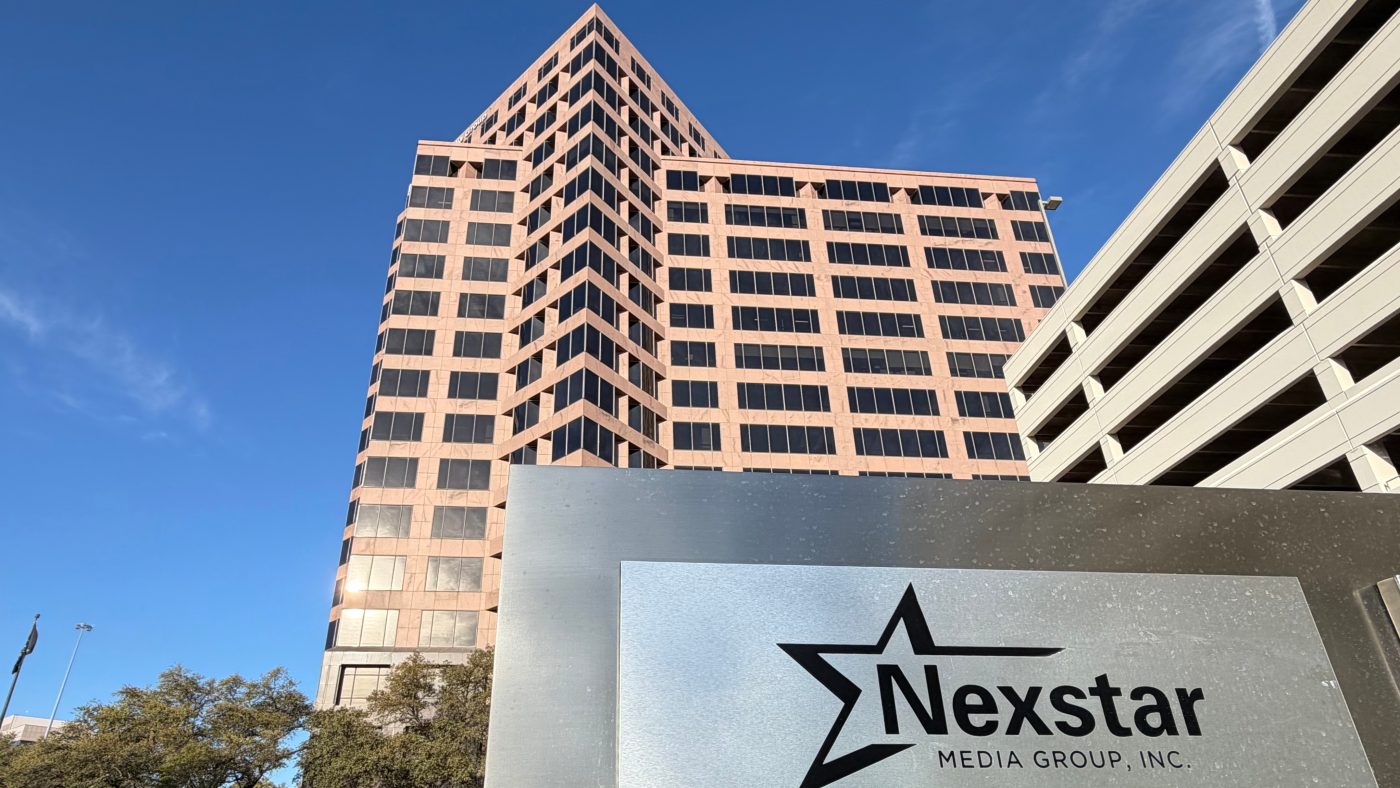
A federal judge in California has temporarily halted the multi-billion dollar merger between broadcast giants Nexstar Media Group and TEGNA, delivering a significant setback to what would create the nation's largest local television operator. U.S. District Judge Troy L. Nunley issued the preliminary injunction late Friday, ordering Nexstar to stop integrating its operations with TEGNA until legal challenges play out.
Legal Challenges Consolidate
The ruling comes in response to consolidated lawsuits filed by a coalition of eight Democratic state attorneys general and satellite provider DirecTV. The state officials, led by attorneys general from California, Illinois, and Washington, argued the merger would concentrate control over local news in fewer hands, potentially leading to job cuts and diminished community-focused reporting. Their lawsuit represents a significant state-level intervention in federal media regulation.
DirecTV filed a separate antitrust complaint on the same day in March, alleging the deal would "significantly harm consumers" by giving Nexstar excessive leverage in carriage fee negotiations. The consolidation of these cases highlights growing scrutiny of media consolidation's impact on both competition and local journalism.
Nexstar's Defense and Immediate Appeal
In a statement, Nexstar announced it would immediately appeal Judge Nunley's decision to the Ninth Circuit Court of Appeals. The company emphasized that the transaction had already closed more than four weeks ago after receiving all necessary regulatory approvals from both the Federal Communications Commission and the Department of Justice during the Trump administration.
"Nexstar Media Group now owns TEGNA and has taken steps consistent with the Court order that has been in effect," a company spokesperson stated. They defended the merger as "pro-competitive," arguing it would "make local stations stronger and support continued investment in local journalism and fact-based news" in the face of competition from tech giants like Amazon, Google, and Apple.
Regulatory Approval and Political Dimensions
The merger had previously cleared significant regulatory hurdles. In March, the FCC under then-Chairman Brendan Carr waived local ownership caps, allowing the deal to proceed after Nexstar made what Carr called "concrete commitments" regarding affordability, local programming, and divestiture of certain television stations. This regulatory decision followed other Trump-era regulatory actions that faced judicial scrutiny.
Former President Donald Trump voiced support for the merger before its approval, claiming on Truth Social that it would "help knock out the Fake News because there will be more competition, and at a higher and more sophisticated level." The deal would have expanded Nexstar's reach to over 70% of local news markets nationwide, adding to its portfolio that already includes The Hill newspaper and cable channel NewsNation.
Broader Implications for Media and Antitrust
The injunction represents a notable moment in the ongoing debate over media consolidation and antitrust enforcement. The state attorneys general argued that the merger would put "more broadcast programming in the hands of fewer people, removing control from the communities they report to," echoing concerns raised in other debates about media funding and independence.
This case joins a growing list of high-profile legal challenges to corporate mergers and regulatory decisions. Similar judicial interventions have occurred in other sectors, such as when a federal judge blocked a Department of Justice request for voter rolls, demonstrating increased judicial scrutiny of executive branch actions.
The temporary halt creates substantial uncertainty for both companies and the broader broadcasting industry. With Nexstar already positioned as the country's largest local news provider, the outcome of this legal battle could reshape the competitive landscape for years to come. The appeal to the Ninth Circuit ensures this will remain a closely watched case at the intersection of media, antitrust law, and regulatory policy.