Judicial Rebuke for Justice Department's Voter Data Campaign
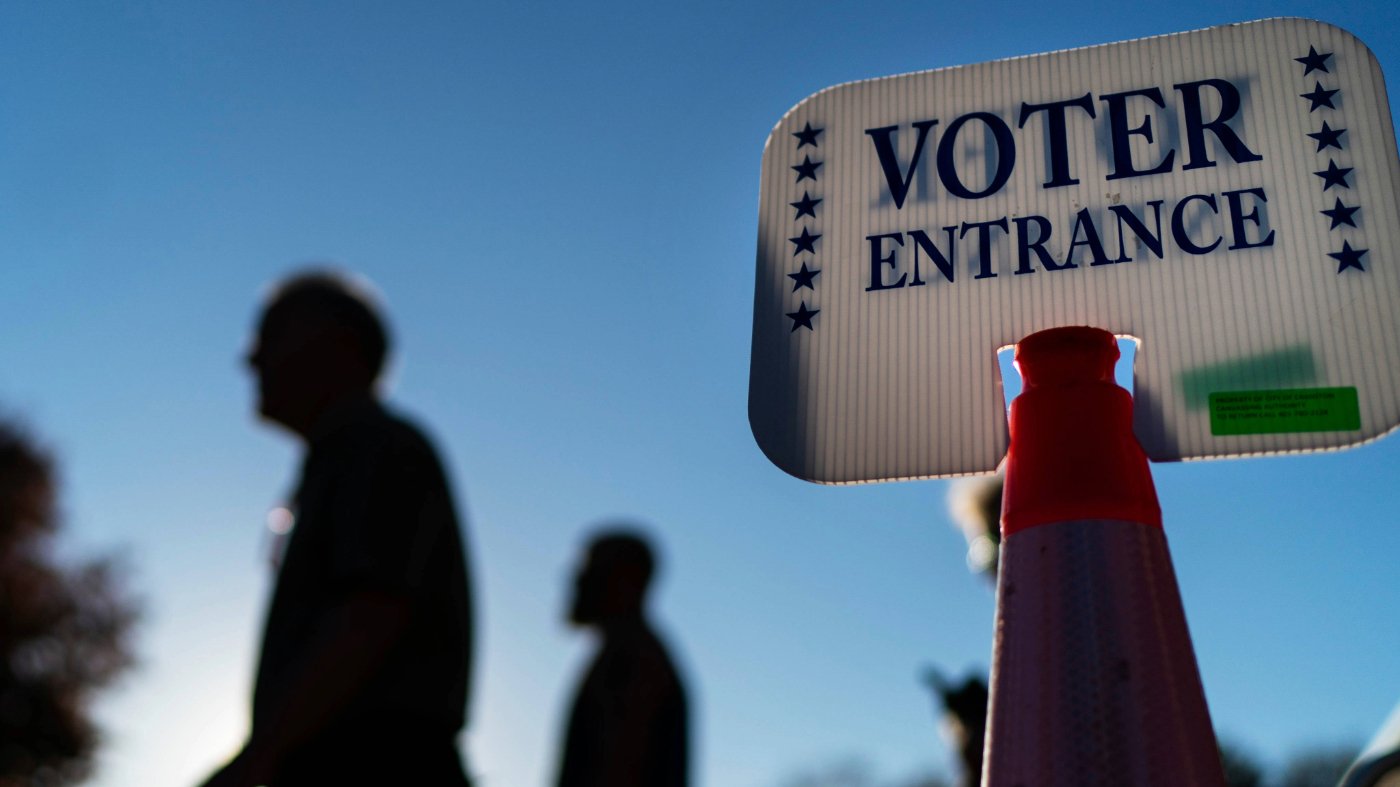
A federal judge has delivered a significant setback to the Trump administration's nationwide effort to acquire state voter registration data, dismissing a Department of Justice lawsuit against Rhode Island. U.S. District Judge Mary McElroy, appointed by President Trump, ruled Friday that federal law does not authorize the DOJ to conduct the kind of "fishing expedition" it sought in demanding the state's complete voter rolls.
Judge McElroy's decision aligns with a similar ruling in Oregon and sides squarely with Rhode Island election officials. In her written opinion, she noted the Justice Department provided no factual allegations suggesting Rhode Island was violating the list maintenance requirements of the National Voter Registration Act of 1993. "Absent from the demand are any factual allegations suggesting that Rhode Island may be violating the list maintenance requirements," McElroy stated.
State Officials Hail Victory for Federalism
Rhode Island Secretary of State Gregg Amore, a Democrat, praised the ruling as a defense of states' rights against federal overreach. "The Trump administration seems to have no problem taking actions that are clear Constitutional overreaches, regularly meddling in responsibilities that are the rights of the states," Amore said in a statement. He emphasized that voter list maintenance is a responsibility entrusted to states and expressed confidence in Rhode Island's procedures.
"Today's decision affirms our position: the United States Department of Justice has no legal right to – or need for – the personally-identifiable information in our voter file," Amore declared. The decision represents another judicial check on administrative power, similar to when a federal judge dismissed the Trump administration's attempt to block Hawaii's climate lawsuit against major oil companies.
National Pattern of Legal Challenges
The Rhode Island case forms part of a broader pattern. The Justice Department has sued at least 30 states and Washington, D.C., since December, demanding comprehensive voter data including birth dates, names, and partial Social Security numbers. These actions come as the administration faces political challenges elsewhere, including declining support among young voters in key states like Arizona.
According to a tracker maintained by the Brennan Center for Justice, at least 12 states have complied or indicated they will comply with the DOJ's demands. However, the legal pushback has been mounting. Earlier this month, the department lost a similar suit against Massachusetts, though it asserted it possessed "sweeping powers" to access voter data under the Civil Rights Act.
The DOJ has framed its actions as investigations into state compliance with the National Voter Registration Act, commonly known as the "motor voter" law for allowing registration during driver's license applications. In court filings, the department has argued that if states fail to comply, courts have a "limited, albeit vital, role" in directing election officers to produce records.
Broader Political Context
This legal battle over voter data occurs against a backdrop of intense focus on election administration and voting rights nationwide. Similar tensions are playing out in other political arenas, such as in Virginia where voters will decide on a redistricting amendment that could trigger a national partisan arms race. The administration's approach to federal-state relations continues to face judicial scrutiny across multiple policy domains.
The Hill reported reaching out to the Justice Department for comment on the Rhode Island ruling, but no immediate response was available. The decision underscores the ongoing tension between federal enforcement authority and state control over election administration—a conflict likely to persist through the election cycle and beyond.