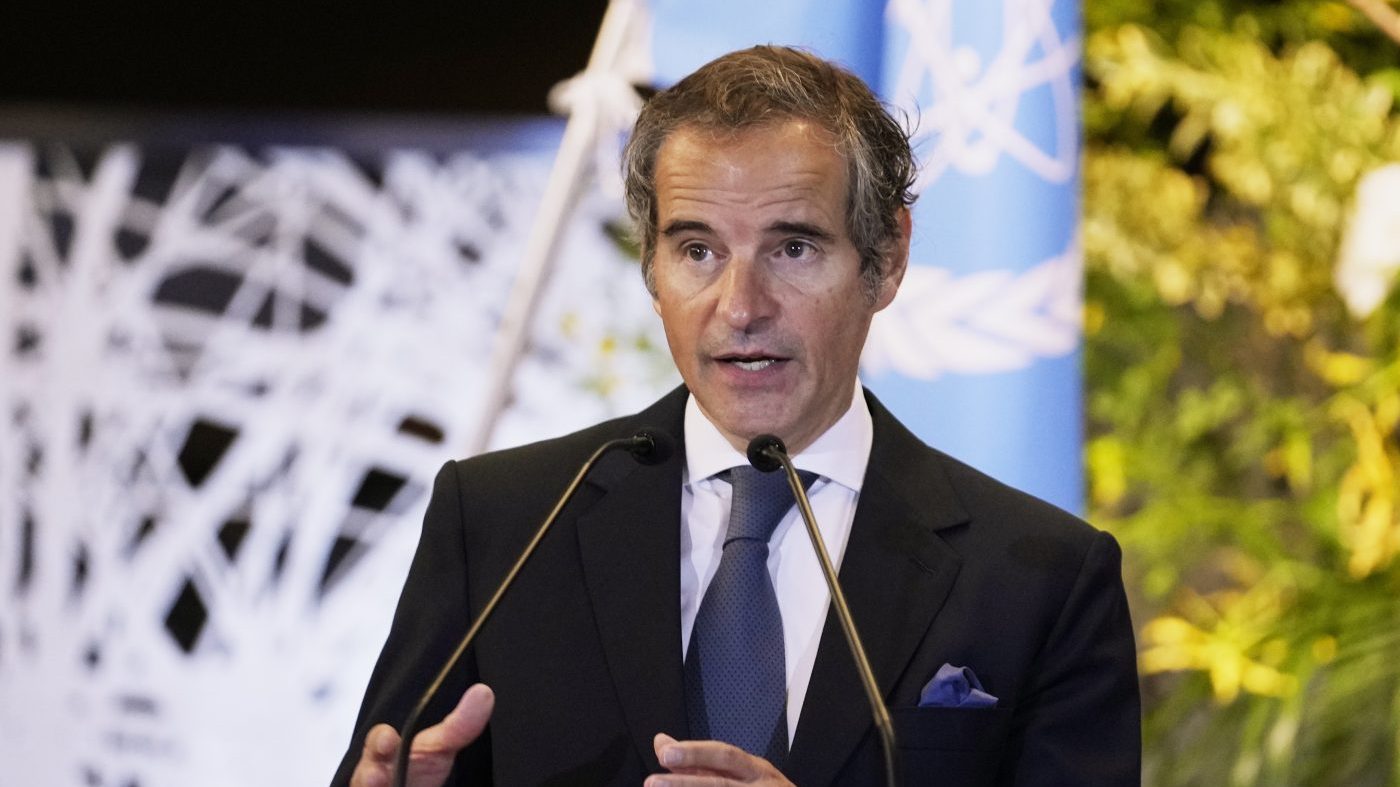
Rafael Grossi, Director General of the International Atomic Energy Agency (IAEA), stated in a televised interview that the ongoing military campaign against Iran has inflicted less damage on its nuclear infrastructure than previous strikes. While some facilities were hit, Grossi characterized the overall effect as limited.
"This time, the campaign's focus does not appear to be specifically nuclear facilities," Grossi told CBS's Face the Nation. He noted strikes occurred at sites in Natanz and Isfahan, and near Parchin—a location historically linked to weaponization research. "There has been some impact, but I would say they have been relatively marginal when you consider the overall nature of the military campaign so far."
Persistent Nuclear Threat
Grossi warned that the agency will "still inherit a number of major issues" once hostilities cease. A central concern is Iran's stockpile of uranium enriched to 60% purity, which Grossi described as "very close to the degree you need to make a bomb." He confirmed this material remains hidden under rubble, complicating verification. This assessment comes as domestic political support for military action shows notable generational divides.
Inspection Standoff and Legal Obligations
The IAEA chief reported his agency is engaged in "important conversations" with both Washington and Tehran about resuming inspections after the conflict. He emphasized that Iran's obligations under the Treaty on the Non-Proliferation of Nuclear Weapons remain legally binding, requiring it to admit inspectors. "Of course, there's common sense. Nothing can happen while bombs are falling," Grossi conceded.
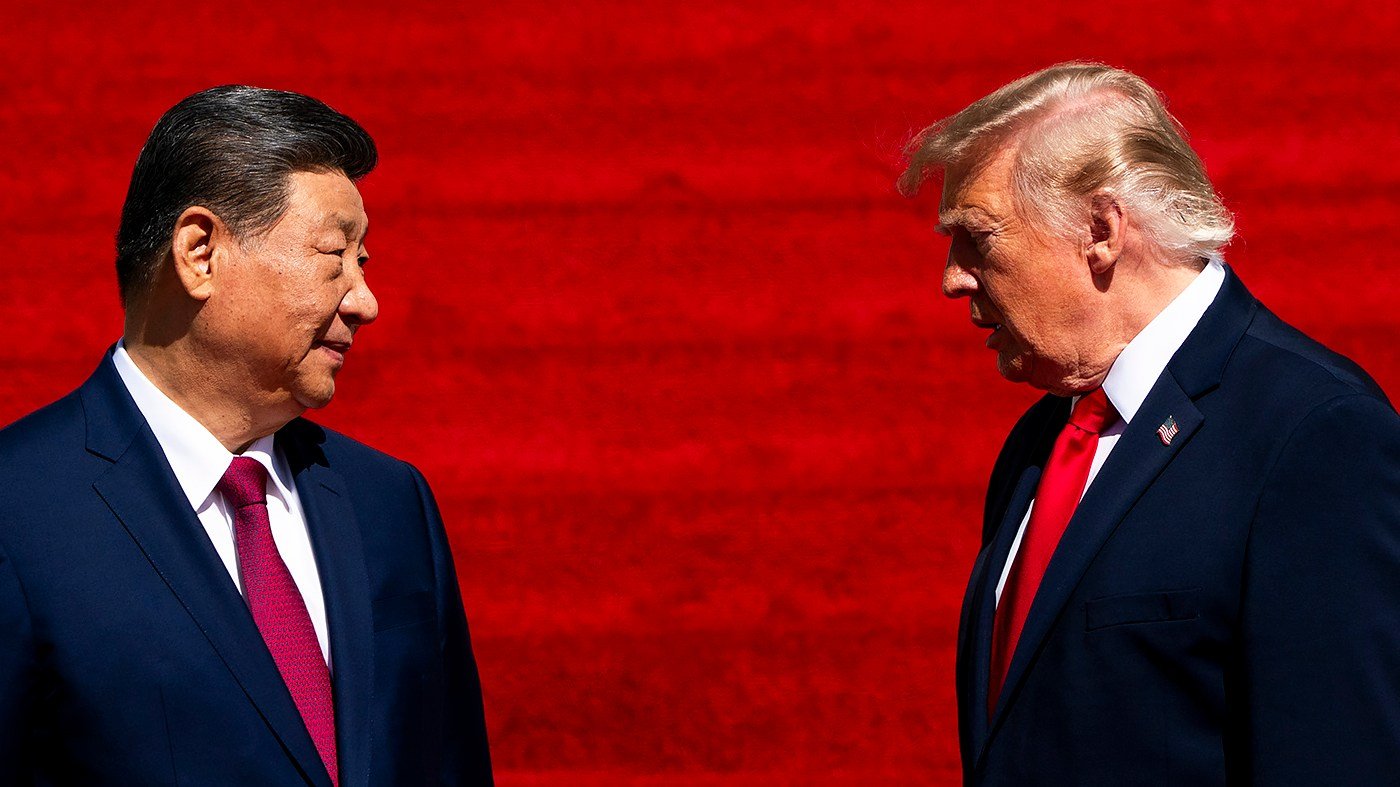
He confirmed he has not spoken directly with former President Donald Trump, who initiated the latest round of strikes with the stated goal of eliminating Iran's nuclear and missile programs. Trump has also publicly called for regime change in Tehran. This aggressive posture has drawn criticism, including from figures like Senator Chris Van Hollen, who has accused the former president of dishonesty regarding diplomacy.
Strategic Context and Regional Fallout
The February 28 strikes marked a significant escalation, explicitly targeting nuclear and ballistic missile capabilities. The campaign's limited effect on the nuclear program, as described by Grossi, raises questions about its strategic efficacy. The conflict has exacted a severe humanitarian cost, with UNICEF reporting over 320 children killed in Iran and Lebanon as violence has spread.
Grossi's sober analysis underscores the enduring challenge posed by Iran's nuclear advancement, which appears resilient to limited military action. The situation presents a complex dilemma for policymakers: how to degrade a hardened and dispersed program without triggering a wider war. Some experts, like a former counterterrorism chief, have warned against specific escalatory actions like an invasion of Kharg Island as potentially disastrous.
The IAEA's primary mandate—safeguarding nuclear material—becomes exponentially more difficult during active warfare. Grossi's comments highlight the tension between non-proliferation treaties and the realities of armed conflict. As diplomatic channels remain strained, the path to restoring a robust inspection regime is uncertain, leaving a critical gap in international oversight of a program inching closer to weapons-grade capability.