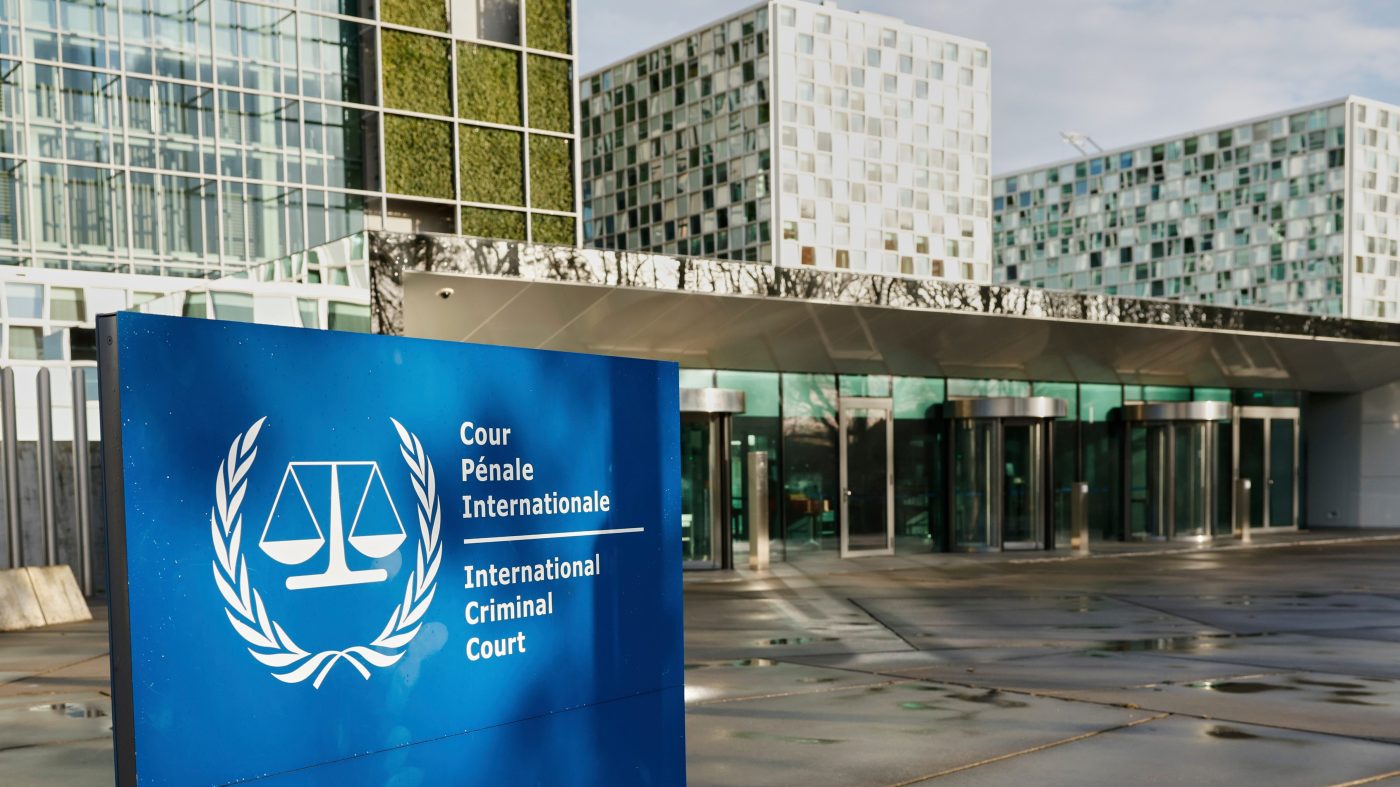
Two human rights advocacy organizations launched a legal challenge Wednesday against the Trump administration’s sanctions on the International Criminal Court, arguing the measures have unlawfully stifled their ability to engage with the tribunal on Palestinian issues. The lawsuit, filed in the Southern District of New York, targets an executive order signed by President Trump in February 2025 that branded the ICC’s actions against Israel and the United States as “illegitimate and baseless.”
The order specifically targeted the court’s pursuit of war crimes cases against Israeli Prime Minister Benjamin Netanyahu and other officials over alleged abuses in Gaza. It has since been used to impose financial penalties on ICC prosecutors, judges, Palestinian human rights groups, and even Francesca Albanese, the UN’s special rapporteur for Palestinian territories.
Democracy for the Arab World Now and the Taxpayer Alliance Against Genocide, the two groups behind the suit, argue in a 43-page complaint that the sanctions have forced them to halt submissions to the ICC and stop coordinating with Albanese and other advocates. They contend this amounts to a “chilling effect” on their constitutionally protected speech, violating the First Amendment.
The complaint further asserts that Trump exceeded his authority under the International Emergency Economic Powers Act, which bars the president from using sanctions to restrict “personal communications” or the exchange of “information or informational materials.” Congress wrote those safeguards specifically to prevent the law from being weaponized against dissenting views, the plaintiffs argue.
“Congress wrote safeguards into the law to prevent it from being used as a cudgel to silence viewpoints that the government finds unfavorable and the Trump Administration has blown past those restraints,” said Joseph Pace, an attorney for the plaintiffs, in a statement. “The U.S. government has the largest megaphone in the world and it is perfectly capable of pleading its case—or Israel’s. What it cannot do is bar Americans from sharing a contrary perspective with the ICC, much less criminalize contact with non-American human rights defenders whose only ‘misdeed’ was calling for justice for U.S. and Israeli crimes.”
The legal challenge comes as the administration escalates its offensive against the Hague-based tribunal. On Monday, Secretary of State Marco Rubio announced a diplomatic push to “dismantle” the ICC, which was established in 2002 under the Rome Statute to prosecute genocide, war crimes, and crimes against humanity. The U.S. initially signed the treaty but later withdrew and never ratified it, meaning Washington is not a party to the court.
“The U.S. is launching a diplomatic campaign with a simple message — sovereign states over globalism,” Rubio wrote in a Wall Street Journal op-ed. “Using all the tools at our government’s disposal, working beside every ally with whom we can make common cause, we will dismantle the ICC — brick by brick, if necessary.”
A Trump administration official defended the sanctions, telling The Hill that “activist groups seeking to enable further ICC overreach are proving Secretary Rubio’s point: The ICC poses an intolerable threat to U.S. sovereignty; it claims the authority to prosecute and even imprison Americans as well as nationals of U.S. allies that, like the United States, have never accepted the ICC’s jurisdiction.”
The lawsuit is not the only legal pushback. Three ICC judges have separately sued in New York over sanctions levied against them, and a federal judge earlier this year ruled in a case brought by Albanese’s husband that the administration’s penalties against her were likely unconstitutional because they appeared to directly target her criticism of Israel. The developments underscore a widening battle over executive power and free speech as the administration presses its campaign against international legal institutions.