U.S. Ambassador to Israel Mike Huckabee disclosed on Friday that he endured austere living conditions for over a month during the peak of tensions with Iran, residing in a single-room command center with limited mobility until a fragile ceasefire took effect.
In a social media post, Huckabee described spending six weeks at the operational hub, sleeping on cots and preparing meals with basic appliances while accompanied by two dogs. The ambassador contrasted this with his return to official residence accommodations following the truce, wryly noting the experience highlighted the 'luxury and adventure' of his diplomatic post.
A Fragile Truce and Its Discontents
The personal account comes against the backdrop of a precarious two-week ceasefire between the United States and Iran, which was announced this past Tuesday. The agreement remains on shaky ground, with disputes emerging over whether Israeli military actions in Lebanon were included in its terms. This ambiguity has cast doubt on the durability of the pause in hostilities.
The ceasefire followed a decision by President Trump to suspend what he had characterized as a potentially catastrophic offensive against Iran. The temporary halt in fighting has provided global relief, with one Iranian university student telling The Associated Press the truce had 'given them a new life.' However, widespread anxiety persists among Iranians that combat could resume at any moment.
Humanitarian Toll Overshadows Diplomatic Discomfort
While Huckabee's description outlines the discomfort of a senior official, it pales in comparison to the humanitarian crisis unfolding within Iran. According to a March statement from the United Nations High Commissioner for Refugees (UNHCR), U.S. and Israeli strikes have temporarily displaced approximately 3.2 million Iranians.
Ayaki Ito, the UNHCR official directing the agency's response, emphasized the compounded vulnerability of refugee families in Iran, predominantly Afghans, who face rising insecurity and dwindling access to essential services. 'Families are leaving affected areas amid rising insecurity and limited access to essential services,' Ito stated.
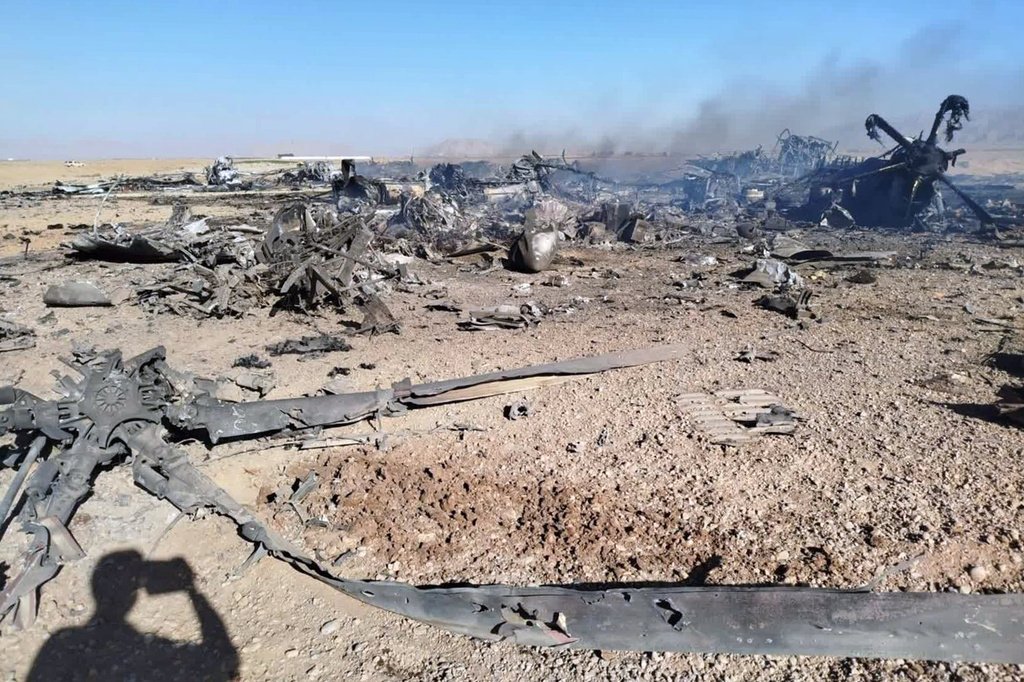
On-the-ground reports depict widespread destruction. The Associated Press documented accounts from Iranians whose homes were obliterated, with one resident stating all houses on her street were destroyed. Another described starkly altered neighborhoods where damaged or destroyed buildings have reshaped the urban landscape.
The stark disparity between a diplomat's temporary inconvenience and the mass displacement of millions underscores the severe human cost of the conflict. The situation remains fluid as diplomatic efforts continue. Senator J.D. Vance is currently leading a U.S. delegation in Pakistan for critical negotiations aimed at solidifying the ceasefire.
Meanwhile, the political landscape surrounding the conflict remains fractious. Recent polling indicates shifting American public opinion on Israel, adding another layer of complexity to U.S. policy in the region. As Huckabee resumes normal embassy operations, the temporary peace he now enjoys remains deeply uncertain for the millions of civilians caught in the conflict's wake.