Vance's Diplomatic Mission Tests Fragile Iran Ceasefire
Vice President Vance has arrived in Islamabad to lead a critical round of negotiations with Iranian officials, a diplomatic mission unfolding under the shadow of a precarious ceasefire. The talks, held in Pakistan, represent a pivotal test for the Biden administration's foreign policy and for Vance's own political stature as he navigates one of the world's most volatile flashpoints.
The immediate objective is to solidify the temporary halt in hostilities and establish clearer terms to prevent a broader regional conflict. However, the negotiations are complicated by deep-seated mistrust and Iran's strategic control over the Strait of Hormuz, a key global oil chokepoint. The success or failure of these talks will have immediate repercussions for global energy markets and regional stability.
Domestic Political Warfare Intensifies
While Vance engages in high-stakes diplomacy abroad, political combat in Washington has reached a fever pitch. Congressional Democrats are aggressively pursuing dual paths to remove former President Donald Trump from the political scene, pushing for either a new impeachment effort or invoking the 25th Amendment. This move has sparked fierce debate over whether it constitutes a necessary constitutional check or a political trap that could galvanize Trump's base ahead of the midterms.
Simultaneously, Republicans have launched attacks targeting California Governor Gavin Newsom, with some figures controversially focusing criticism on his wife, Jennifer Siebel Newsom. This strategy highlights the increasingly personal nature of political warfare, raising questions about its effectiveness and ethical boundaries as both parties jockey for advantage.
The Stakes for Vance and the Midterm Elections
The outcome of the Iran negotiations carries significant weight for Vice President Vance's political future. A successful stabilization of the ceasefire could bolster his reputation as a steady hand in foreign affairs, while a collapse could be politically damaging. The administration is keenly aware that foreign policy crises can swiftly dominate the domestic agenda, potentially overshadowing economic issues in voters' minds come November.
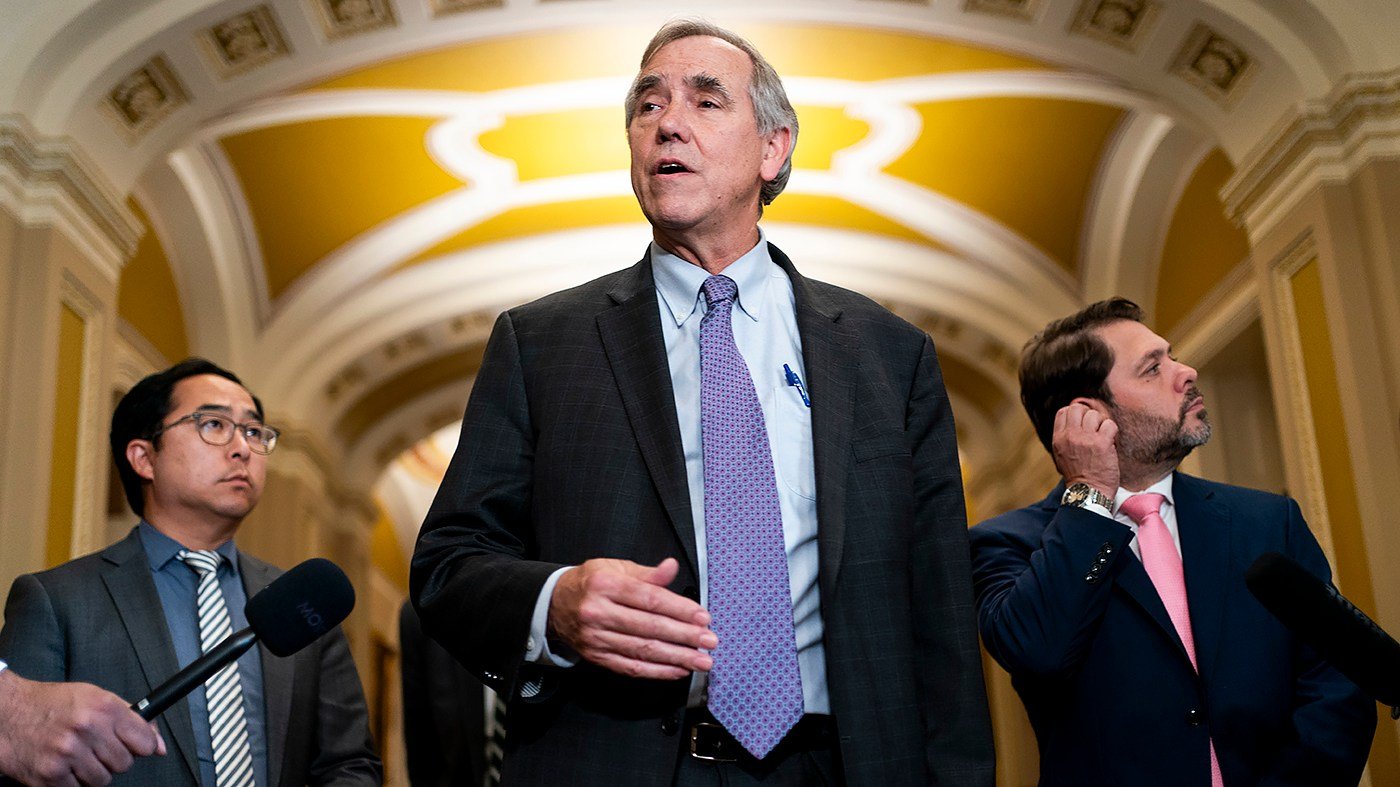
Analysts are watching to see if the conflict, and the administration's handling of it, will remain a primary concern for voters or if kitchen-table issues like inflation will reclaim center stage. The political fallout is already being felt, with figures like Senator John Fetterman breaking party ranks to oppose certain war powers measures, illustrating the delicate balance within the Democratic coalition.
For deeper context on the diplomatic mission, read our analysis on Vance's challenging negotiations in Islamabad. The domestic political maneuvers are equally complex, as seen in the Democratic push for the 25th Amendment following Trump's inflammatory statements on Iran.
Media Spotlight on 'Whole Hog Politics'
These converging crises will be the focus of the upcoming "Whole Hog Politics" segment on NewsNation. The show, featuring The Hill's Bill Sammon and political analyst Chris Stirewalt, will dissect the implications of Vance's mission, the impeachment dynamics, and the evolving political strategies with a live audience Q&A scheduled for Friday at 9 a.m. EDT.
The program underscores how foreign policy and bitter domestic partisanship are now inextricably linked, each influencing the other in real time. As Vance works to prevent a war overseas, Washington remains embroiled in a political war at home, with the November elections serving as the next major battlefield.