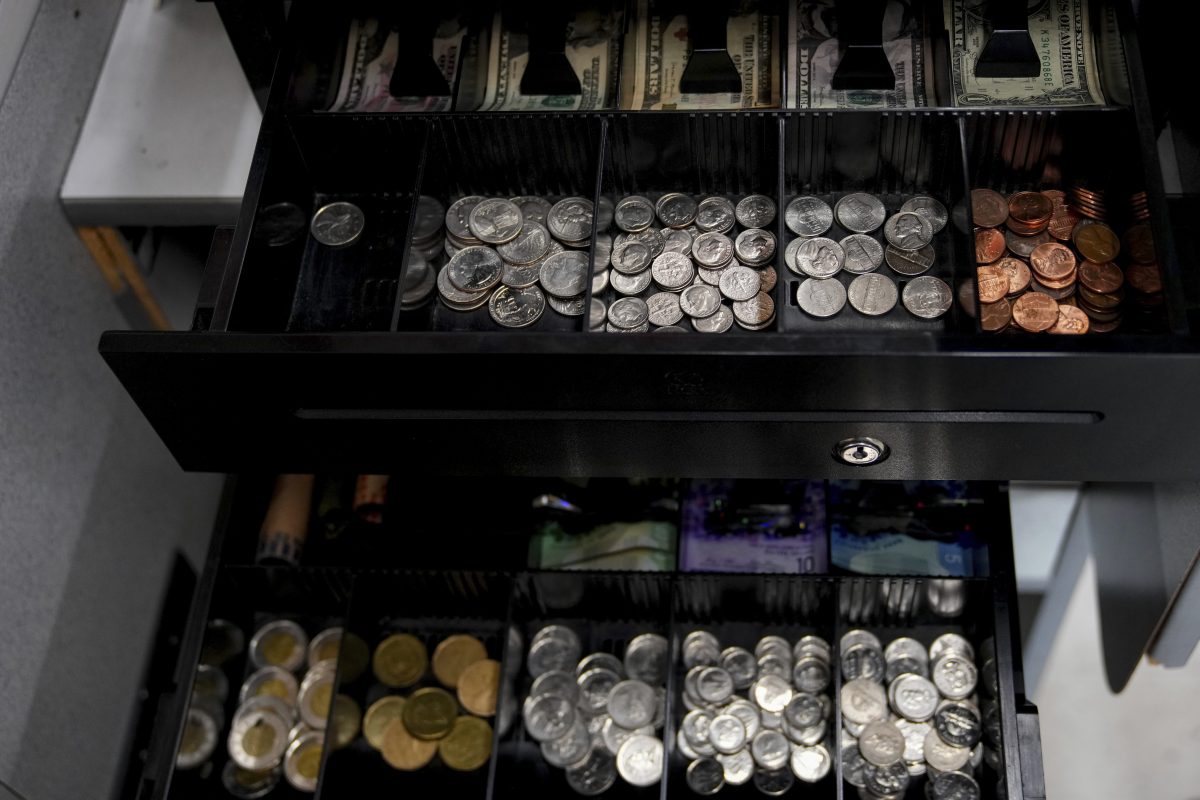
The House of Representatives this week passed legislation that could reshape the look and composition of the nation's five-cent coin, as part of a broader effort to cut production costs and modernize U.S. currency. The bill, known as the Common Cents Act, would formally end production of the penny—which the Mint has already stopped minting—and addresses how retailers handle change when pennies are unavailable.
With the penny effectively eliminated, the nickel gains new significance as the lowest denomination still in active use. Retailers are already rounding cash transactions to the nearest nickel, since it's impractical to give back $1.15 without a five-cent coin. But the nickel itself is hardly a bargain: it cost 13.31 cents to produce each nickel in fiscal year 2025, down slightly from 13.78 cents the year before. That marks 20 consecutive years that nickel production costs have exceeded its face value.

Under the bill, the Treasury would be allowed to test a redesigned, lower-cost nickel that must save money while remaining compatible with vending machines, according to a press release from Representative Robert Garcia (D-Calif.), the bill's sponsor. The current nickel is only 25% nickel—the rest is copper—and the high cost of copper has driven up production expenses. The bill's text specifies a new composition of zinc and nickel, echoing the materials used in the penny and the $1 coin. Zinc was nearly $7,000 per tonne cheaper than copper last year, according to the Mint.
Some experts argue it would have been easier to eliminate the nickel entirely rather than the penny, given that only pennies can make exact change for amounts like $1.27. Nonetheless, the House chose to preserve the five-cent piece while seeking a cheaper version. Treasury Secretary Scott Bessent said last year that efforts were underway to reduce nickel production costs. Mark Weller, executive director of the pro-penny group Americans for Common Cents, told CNN in November that adjustments could bring the cost closer to 5 cents per coin.
Changing a coin's composition is fraught with challenges. Past attempts to make the penny cheaper failed, and the cheapest metal available—steel—would still cost more than a penny to use. Plastics and polymers won't work because counting machines rely on metal detection. For now, nickels will keep their current look and remain legal tender, as will pennies. A separate bill to end production of both coins remains stuck in committee.
The Common Cents Act now moves to the Senate, where its fate is uncertain. If passed and signed into law, it would mark the first major change to U.S. coinage in decades. Meanwhile, the political landscape continues to shift: the Hill Nation Summit saw Trump dominate debates on immigration and AI, while the immigration courts face a crisis as due process is undermined. The nickel debate, though technical, reflects broader concerns about government efficiency and fiscal discipline.