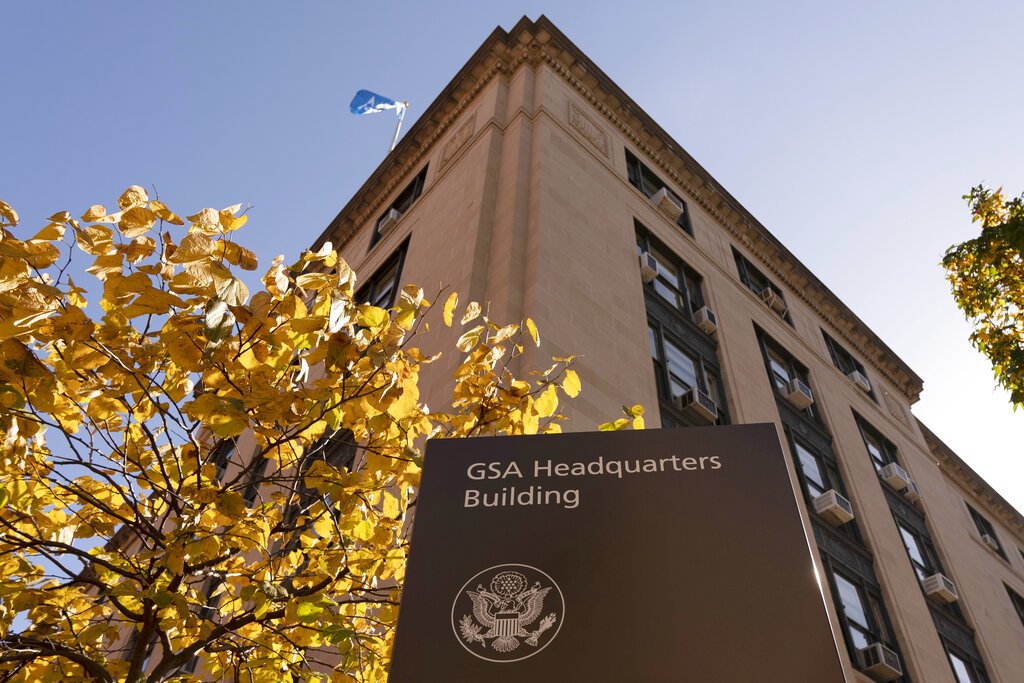
The General Services Administration is celebrating a key legislative victory after the House Transportation and Infrastructure Committee approved a resolution Monday that unlocks full funding for a long-overdue renovation of its headquarters. The move comes after nearly half of the century-old building at 1800 F Street NW was declared partially uninhabitable, forcing hundreds of federal employees into temporary quarters.
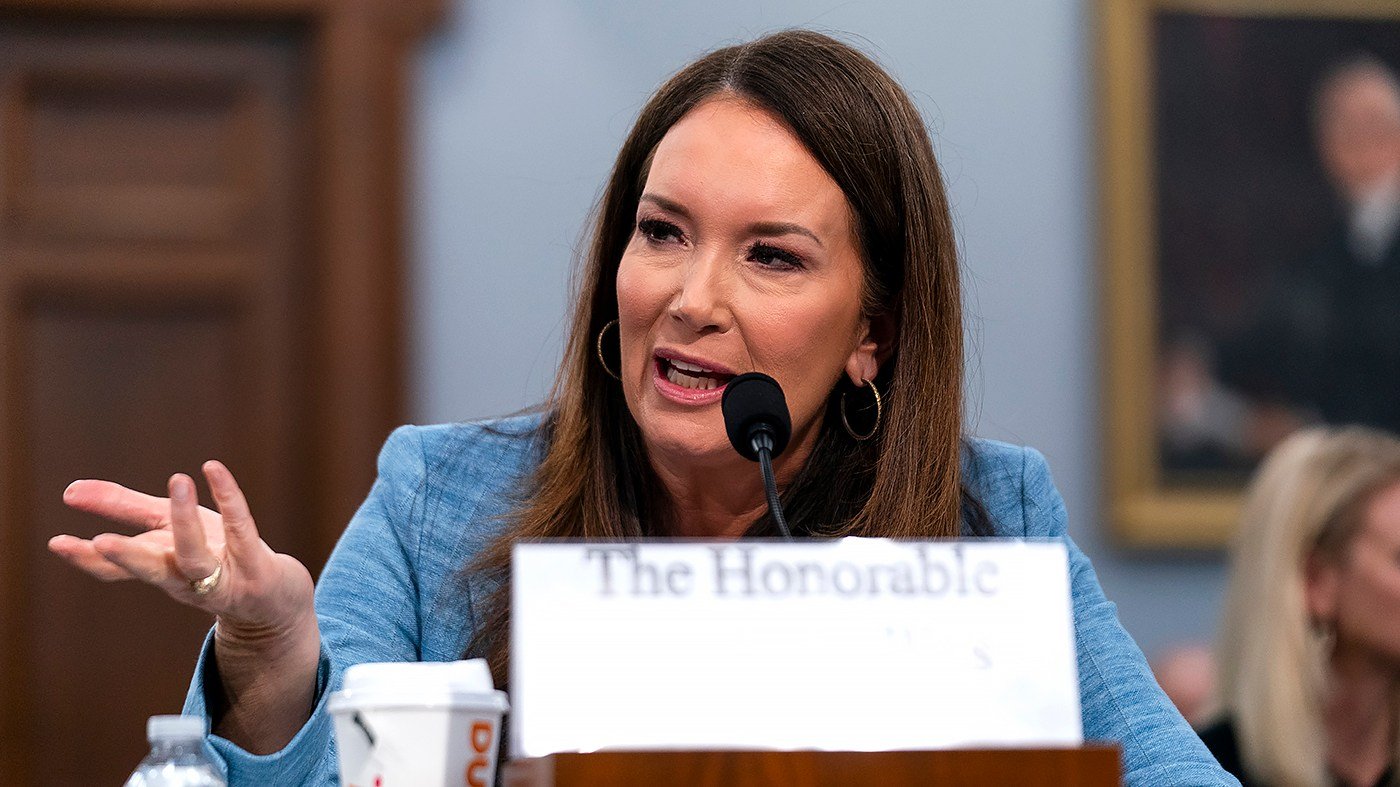
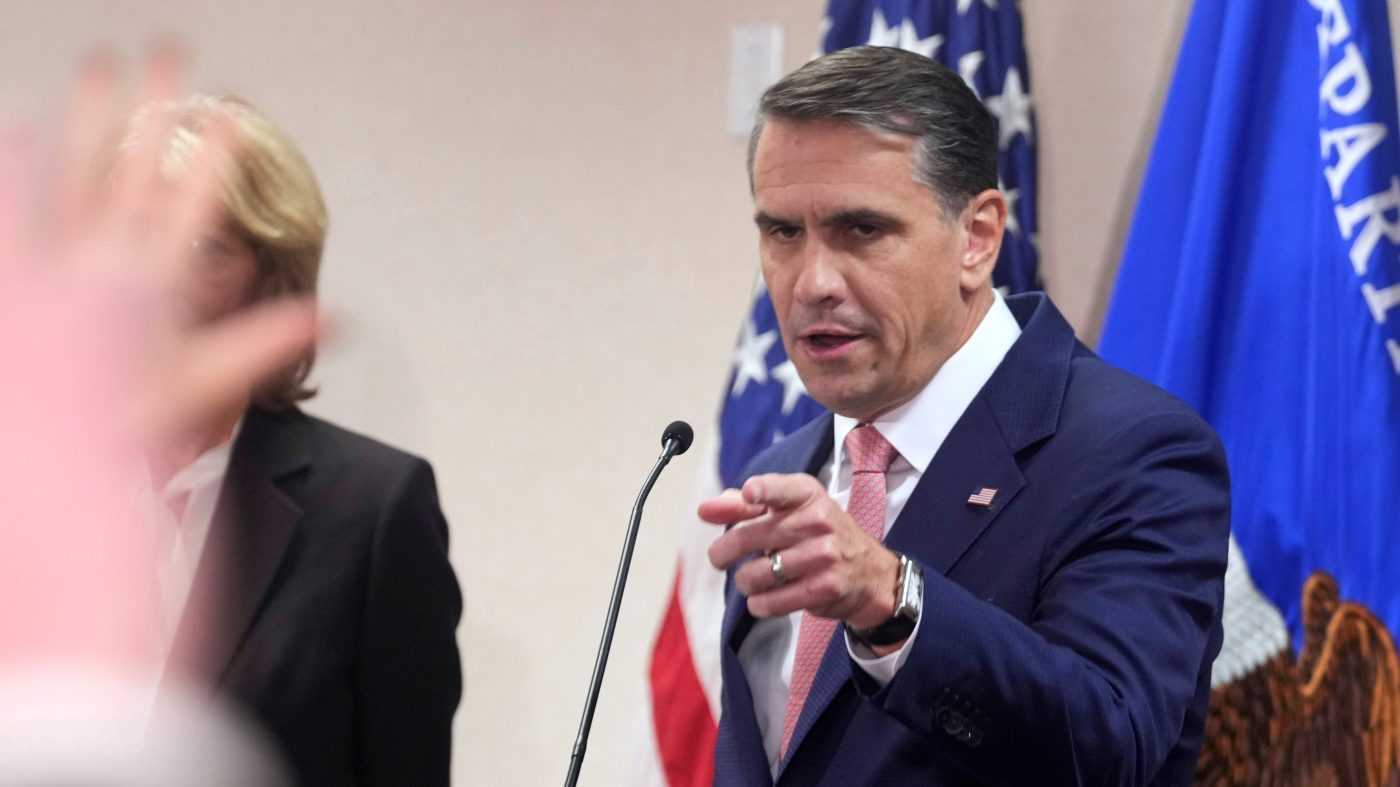
GSA Administrator Edward Forst framed the project as a transformative investment, promising that the overhaul will deliver a “high-quality and dynamic federal campus, setting a new high watermark for building design.” In a statement, Forst added that once finished, the facility “will inspire excellence, connect people, and elevate the way GSA delivers for the American taxpayer.”
The committee approved the measure by unanimous consent last Thursday, signaling broad bipartisan support for addressing the deteriorating conditions at the agency's nerve center. The building, originally completed in 1917, has seen only one section undergo significant upgrades since it opened. The rest remains stuck in time, with aging systems that have drawn sharp rebukes from oversight bodies.
As a result of the building's condition, GSA employees have been relocated to the Theodore Roosevelt Federal Building, where they share workspace with staff from the Office of Personnel Management. The arrangement is intended to be temporary, with the renovated headquarters expected to accommodate both agencies once the project wraps up in 2028.
The cost of the renovation is now pegged at $239 million, a figure that has already been revised upward from earlier estimates. GSA originally projected a completion date of 2031, but the new timeline shaves three years off that schedule. The project is part of a broader push by the Trump administration to modernize federal infrastructure, though it has drawn scrutiny over spending priorities amid ongoing debates about government efficiency.
The building's troubles are not new. In 2021, the GSA Office of Inspector General launched an investigation into indoor air quality problems traced to outdated and deteriorating ventilation systems. A follow-up inspection in 2022 found that the agency's on-site child care center was not receiving fresh air when outdoor temperatures dropped to 40 degrees Fahrenheit or lower—a condition that raised alarms about the health and safety of young children in federal care.
The renovation is set to address those systemic failures, but the timeline and cost have already sparked questions. Critics point to the gap between the original 2031 target and the accelerated 2028 finish, wondering whether the compressed schedule will lead to cost overruns or compromises in quality. For now, the committee's approval clears the way for full funding, though the final appropriation still requires action by the full House and Senate.
The project also reflects a broader trend in federal real estate: aging buildings are increasingly being reimagined as modern, energy-efficient campuses. In a similar vein, 13 of 16 World Cup venues have earned LEED green building certification, underscoring the push for sustainable design in large-scale construction. Meanwhile, the GSA renovation is being watched closely by other agencies with aging facilities, as it may set a precedent for how the government tackles deferred maintenance.
As the project moves forward, GSA will need to navigate procurement hurdles, contractor selection, and potential disruptions to ongoing operations. For now, Forst and his team are touting the committee's approval as a major milestone—one that brings the agency closer to a modern headquarters that meets the needs of a 21st-century workforce.