The Southern Poverty Law Center, long hailed as the nation's premier watchdog against hate and extremism, found itself under the microscope this week as a House Judiciary Committee hearing laid bare allegations that the organization itself may have been fueling the very forces it claims to combat.
Lawmakers grilled SPLC leadership under oath, examining claims that the nonprofit directed funds to extremist groups while simultaneously branding itself as the ultimate authority on bigotry. The hearing, one of the most significant public reckonings for the SPLC in its history, has sent shockwaves through corporate America, where many companies have relied on the group's designations to guide charitable giving and diversity initiatives.
The SPLC has cultivated an image as an unflinching guardian against a rising tide of hate, a narrative embraced by mainstream media, the Biden White House, celebrities, and corporate boards. For decades, its reports were treated as gospel, shaping public discourse and policy. But the hearing revealed a stark contradiction: the organization, it appears, was running the faucet that created the flood it claimed to be fighting.
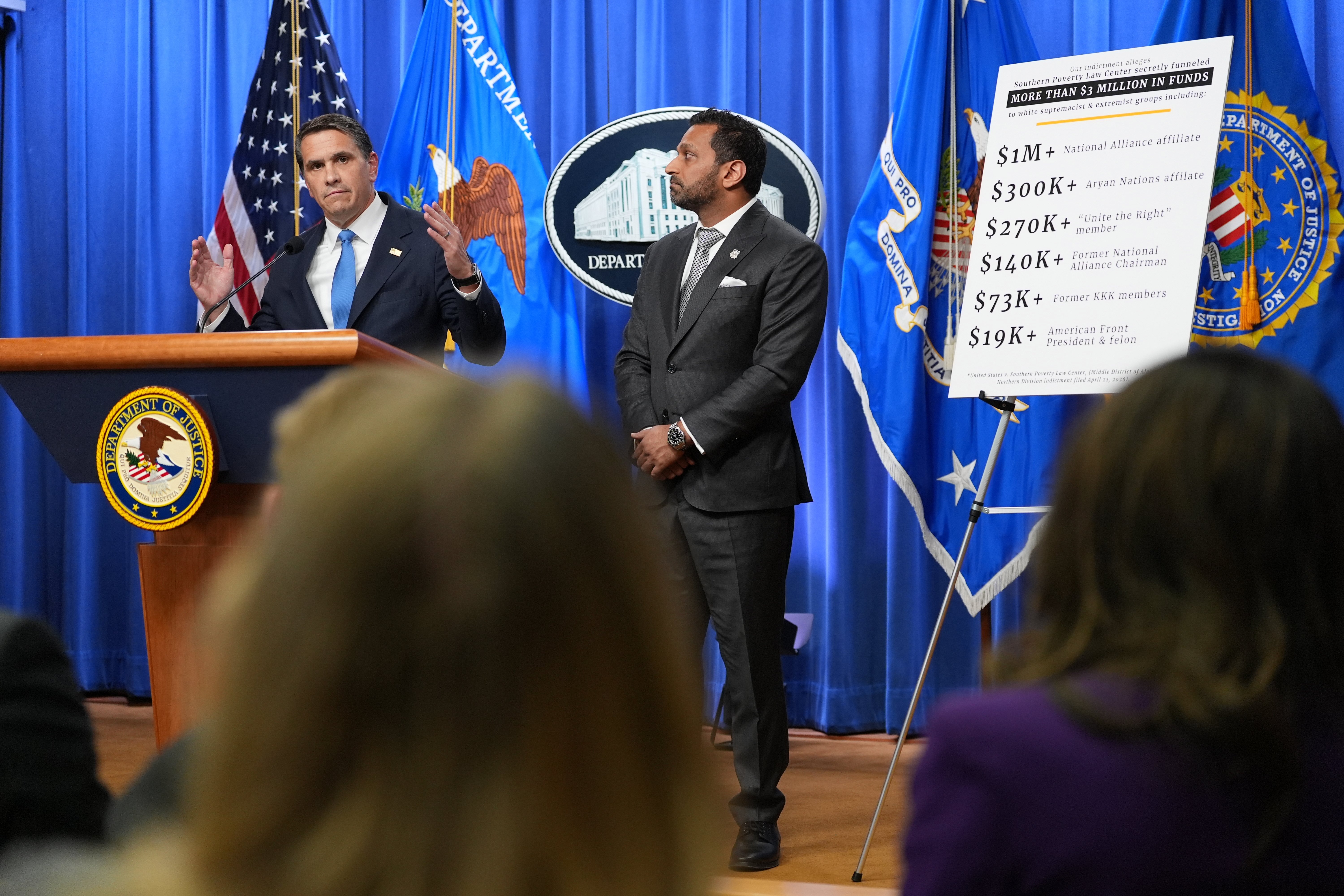
At the center of the controversy are allegations that the SPLC funneled money to groups it labeled as hateful, while profiting from the fear those groups generated. Critics argue the organization exploited its own designations to rake in donations, creating a perverse incentive to exaggerate threats. The hearing highlighted specific instances where funds were traced to organizations with documented ties to extremism, raising questions about the SPLC's oversight and motives.
The fallout has been immediate. Benevity, a major platform that manages corporate charitable giving, faces mounting pressure to sever ties with the SPLC. Advocacy groups and lawmakers alike are demanding that Benevity act decisively, publicly, and unequivocally to disavow its relationship with the organization, arguing that continued association lends legitimacy to a group that may have betrayed its mission.
Corporate donors are now scrambling to reassess their partnerships. The hearing has prompted many to review their giving processes, with some experts warning that companies must "SPLC-proof" their charitable strategies to avoid being implicated in similar controversies. This comes amid broader scrutiny of corporate social responsibility programs, which have faced criticism for lacking transparency and due diligence.
The SPLC's troubles are not isolated. They mirror a growing skepticism toward institutions that claim moral authority while operating with little accountability. As the hearing concluded, lawmakers from both sides of the aisle called for a thorough investigation into the group's finances and operations. The Biden administration, which has cited SPLC data in policy discussions, has so far remained silent on the allegations.
For corporate America, the message is clear: blind trust in self-styled watchdogs is no longer tenable. The SPLC case underscores the need for rigorous vetting of charitable partners, especially those that wield significant influence over public opinion and policy. As one committee member put it, "You cannot fight hate by funding it."
The SPLC has denied the allegations, calling the hearing a politically motivated attack. But with evidence mounting and public trust eroding, the organization faces an existential crisis. Whether it can rebuild its reputation—or whether it will be remembered as a cautionary tale of mission drift—remains to be seen.