The rhetorical war between Vice President Vance and Michigan's Democratic Senate nominee, Abdul El-Sayed, escalated this week, with Vance dismissing his rival as "crazy" and unfit for office. The sharp exchange highlights the high stakes of a race that could help determine control of the Senate.
El-Sayed, who recently won a contentious primary, launched the latest salvo on Wednesday, branding Vance "Peter Thiel's boy" in a nod to the tech billionaire who has been a mentor and financial backer. "I think we've had enough of him," El-Sayed said, before adding that Vance's last coherent moment was his memoir Hillbilly Elegy. "After he said that Donald Trump had no business being president of anything, that was the last time he made sense, and then he decided to suck up to power," El-Sayed said. "But that's exactly what this is about. You've got Republicans who will do anything for power and money, including corrupt their office."

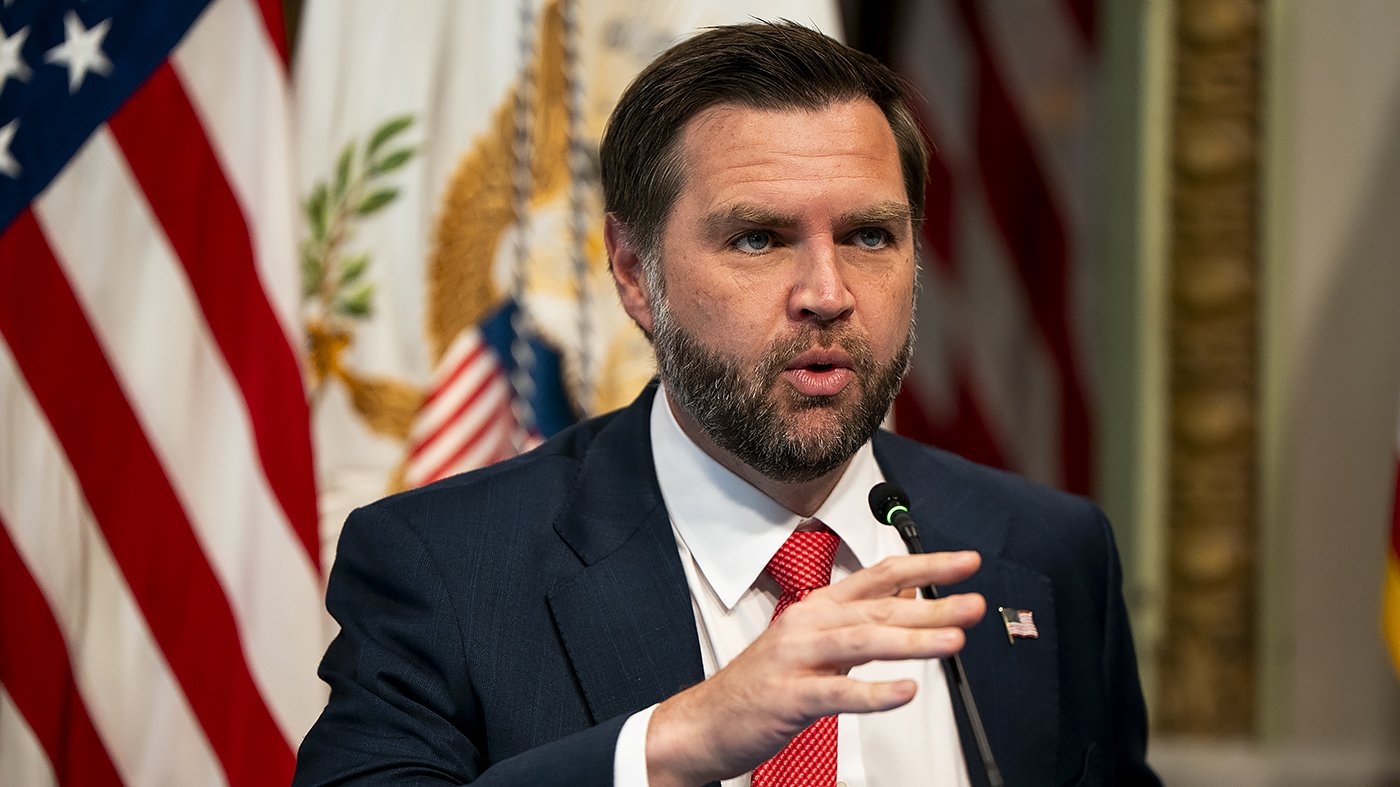
Vance, asked about the remarks during an interview that aired Saturday on Fox News's "Saturday in America," did not hold back. "He's just kind of an odd guy, but I think that it's telling that instead of talking about what he wants to do to make the lives of Michiganders better, he takes personal insults at me. I'm the vice president, it comes with the territory," Vance said. "I think the guy's crazy and would be a terrible senator for the people of Michigan. We're going to make that case, and obviously the people in Michigan are going to make their vote."
The exchange underscores the ideological and personal divides in a race that has become a proxy for the broader fight over the Democratic Party's direction. El-Sayed, a progressive, narrowly defeated moderate Representative Haley Stevens in the primary, a result that signals an internal battle for Democratic leaders. His victory has energized the left wing of the party, while Republicans see an opportunity to paint him as too far outside the mainstream for Michigan voters.
Vance's team is already working to tie El-Sayed to positions they argue are out of step with the state, a strategy that some analysts say gives the GOP an opening. Meanwhile, El-Sayed has sought to broaden his appeal, particularly among Black voters, a key constituency that could determine his path to the Senate.
The personal attacks are not new for Vance, who has shown a willingness to engage in sharp rhetoric. Earlier this year, he drew criticism for a burrito jab and stood by a weight jab at a columnist, both of which drew rebukes from unusual quarters. But the clash with El-Sayed is particularly pointed, given the latter's frequent references to Vance's ties to Thiel, a polarizing figure in tech and politics.
El-Sayed's campaign has framed the race as a choice between a corporate-backed establishment and a grassroots movement. "This is about whether we're going to have leaders who answer to the people or to billionaires," a spokesperson said. Vance, for his part, has cast himself as a champion of working-class Americans, a message that resonates in parts of Michigan that swung to Trump in 2016.
With the general election still months away, both candidates are expected to intensify their attacks. The race is being closely watched nationally, with control of the Senate hanging in the balance. For now, the war of words shows no signs of cooling, as each side seeks to define the other before voters head to the polls.