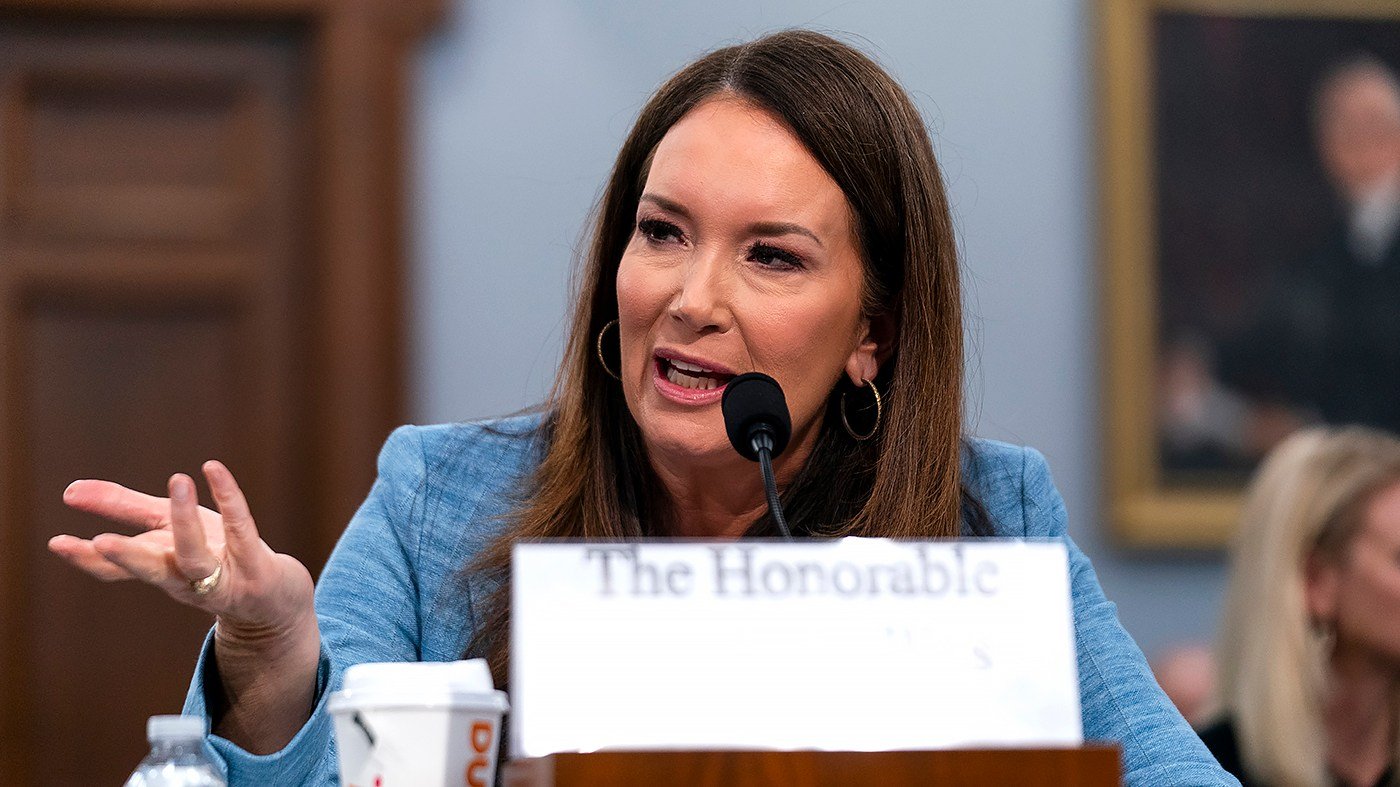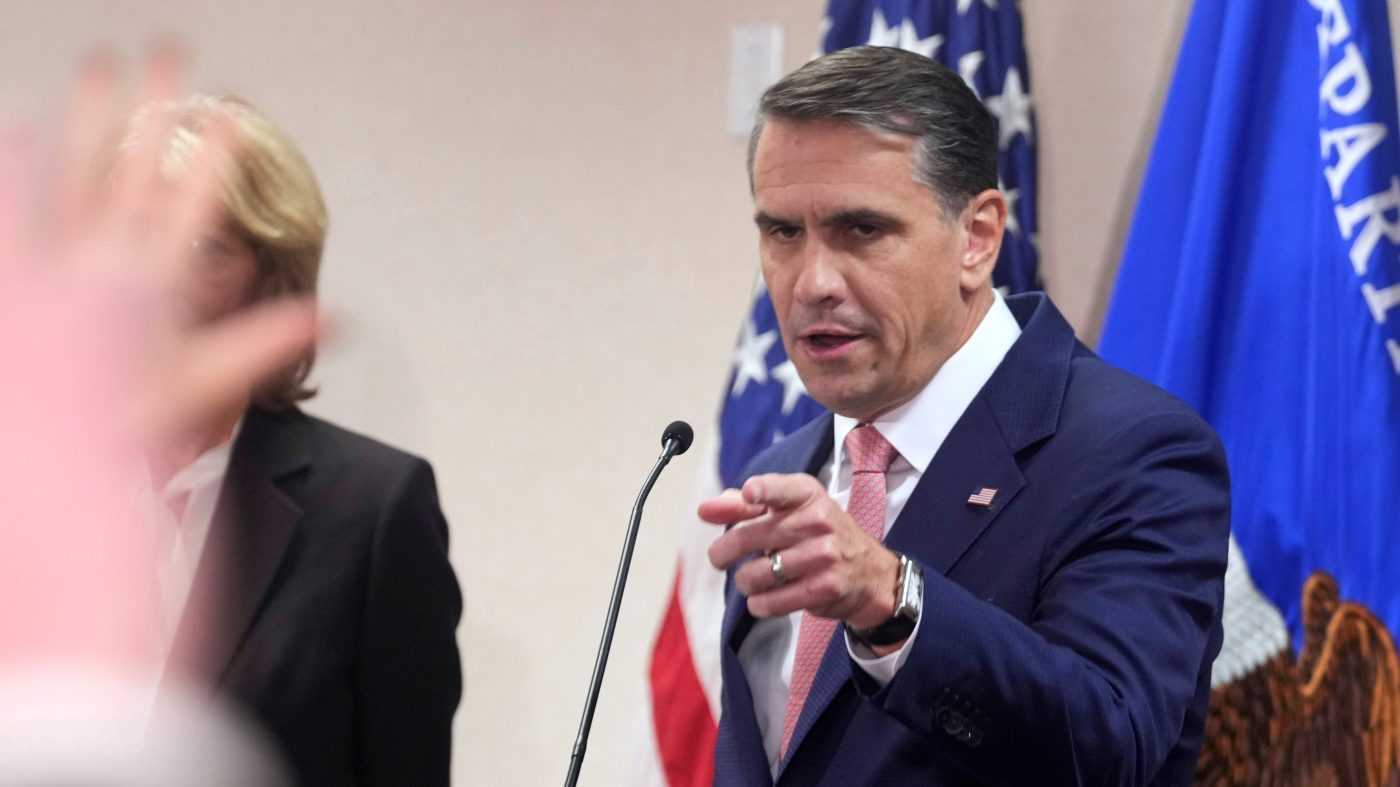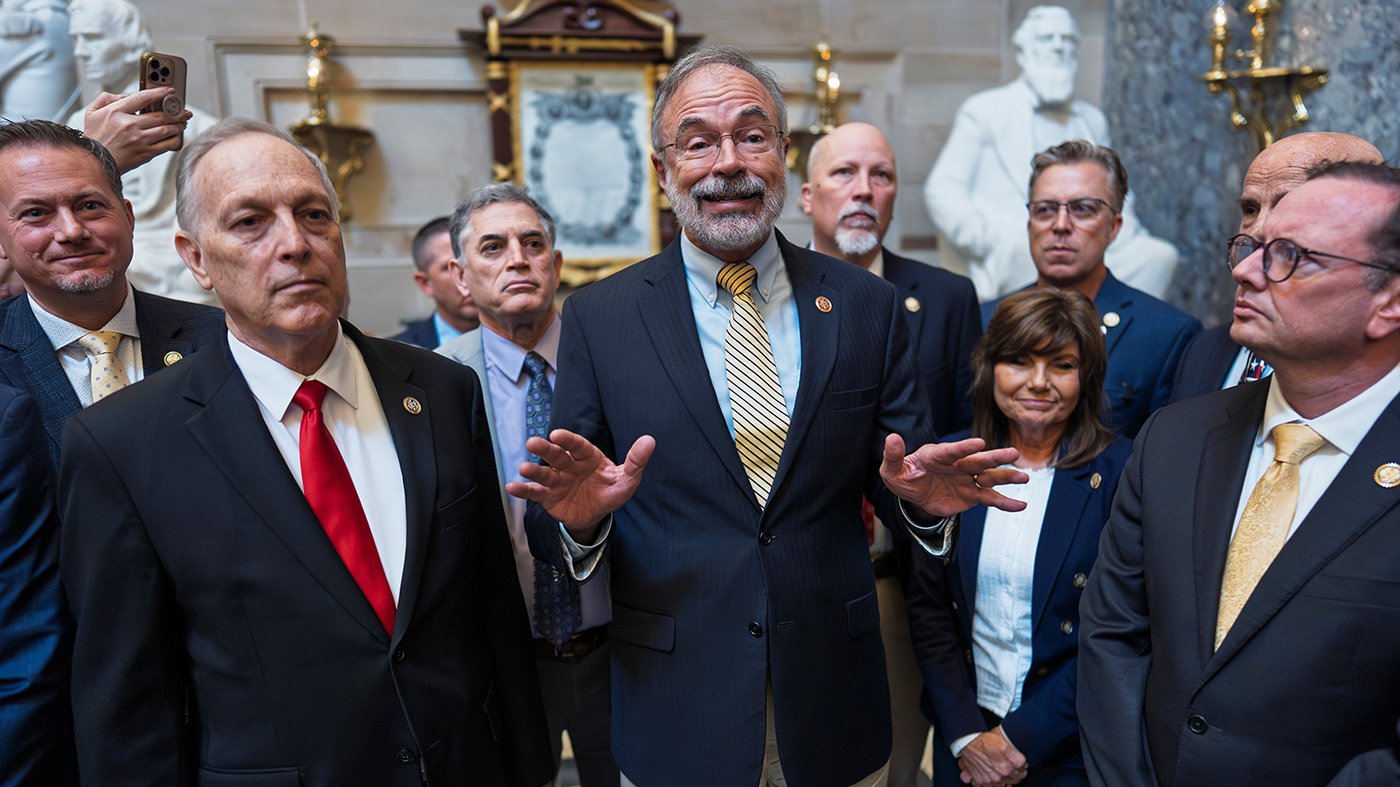
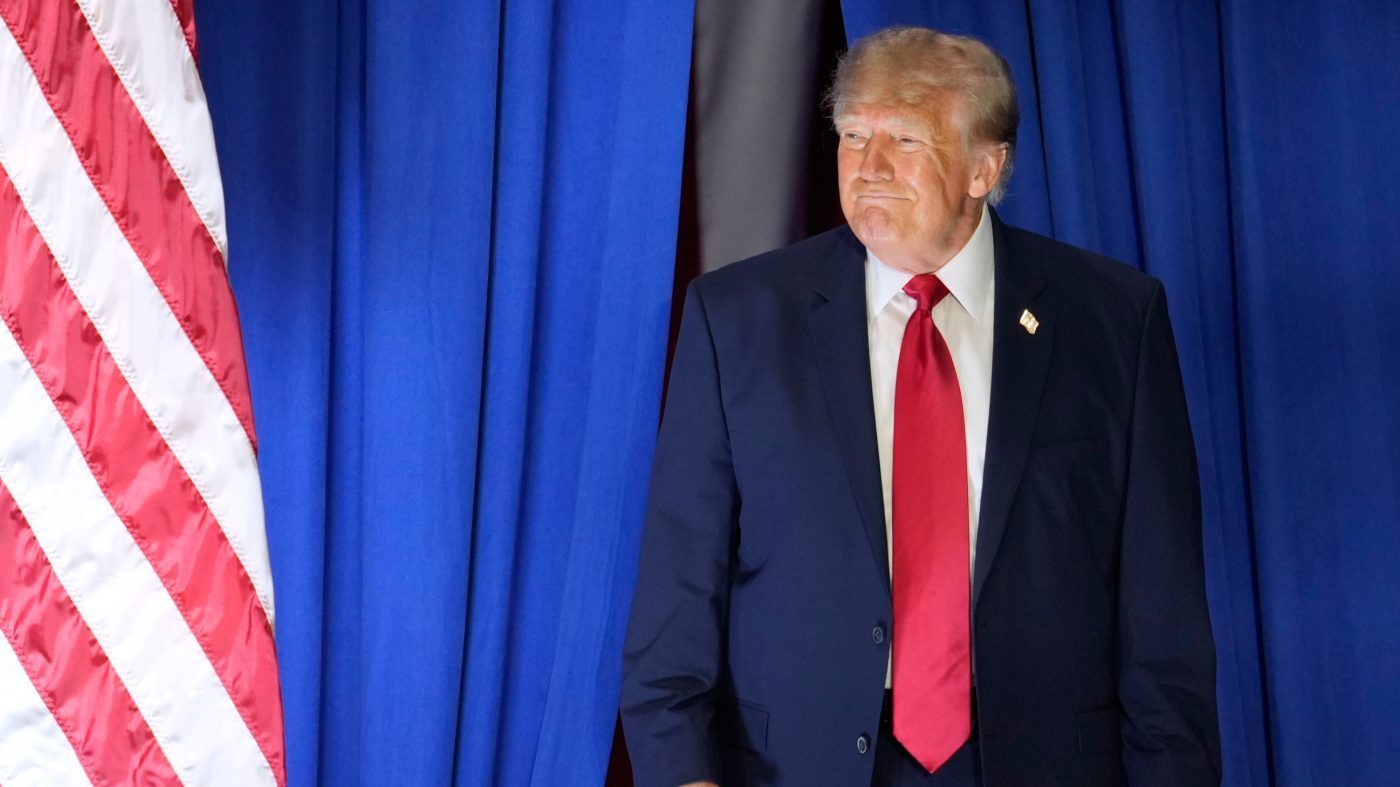
The House Freedom Caucus is bracing for a significant overhaul next year, as six of its most confrontational members prepare to exit Congress. The departures are set to reshape the group's relationship with Republican leadership and President Trump, according to current and former members.
Among those leaving are Rep. Chip Roy (R-Texas), who lost his primary bid for Texas attorney general; former caucus chair Rep. Andy Biggs (R-Ariz.); Rep. Ralph Norman (R-S.C.); Rep. Byron Donalds (R-Fla.); and Rep. Tom Tiffany (R-Wis.), all of whom are running for governor. Rep. Barry Moore (R-Ala.) is seeking a Senate seat. Roy, Norman, and Biggs have been central figures in contentious legislative fights, from budget battles to the rules overhaul that defined former Speaker Kevin McCarthy's 2023 speakership election.
Despite the exodus, current chair Rep. Andy Harris (R-Md.) insists the group's core mission—fiscal restraint and aggressive leverage tactics—will endure. “We’re going to have plenty of members,” Harris said. “We have incredible enthusiasm among people who are running around the country and who have won primaries.” His term ends this year, and a new chair will be elected for the next Congress.
Harris and others point to rising stars like Reps. Brandon Gill (R-Texas), Keith Self (R-Texas), and Eric Burlison (R-Mo.) as future leaders. Self, when asked about the chairmanship, said he wants to “support the younger folks that are ambitious.” The group will retain longtime figures like founding chairman Rep. Jim Jordan (R-Ohio), who has said the caucus’s purpose is to make Republicans “do what you said you would do.”
Yet uncertainty lingers. Rep. Lauren Boebert (R-Colo.) called the future “terrifying,” adding, “We’re losing the greats.” Boebert herself has drawn Trump’s ire for backing Rep. Thomas Massie (R-Ky.) against a Trump-endorsed primary challenger. Roy faced similar heat for supporting Ron DeSantis’s 2024 presidential bid, and former Chair Bob Good (R-Va.) lost his primary after backing DeSantis.
The Freedom Caucus has occasionally clashed with Trump on policy, such as over FISA reforms, but members still see the group as the most “America First” in the House. “We want the president’s agenda to be activated by the House, and often it is not,” Self said. Harris acknowledged friction: “We believed from the beginning you need to shake up how Washington does business. Sometimes we’re a little more impatient.”
The group’s relationship with GOP leadership has evolved since its 2015 founding amid anger at Speaker John Boehner. Under Speaker Mike Johnson, the caucus has been more collaborative, seeing him as a conservative ally. Self noted the slim House majority gives the Freedom Caucus leverage: “If we had a 35- or 40-vote margin, the Freedom Caucus would be irrelevant.” Burlison agreed, saying leadership now “realize they have to bring us to the table.”
Incoming members, likely including Texas state Rep. Steve Toth—who defeated Rep. Dan Crenshaw in a primary—and gun rights activist Brandon Herrera, will be formally invited after the election. The Freedom Caucus Fund’s endorsements offer clues, with Jace Yarbrough, a constitutional lawyer, also backed. The group’s internal dynamics and its push for conservative wins will continue to test the GOP’s narrow majority, especially as debates over spending and surveillance, like the recent FISA deal rejection, persist.