Against long odds, Kyiv is delivering what could be the decisive blow in a worldwide struggle that much of the Western alliance has yet to recognize. As early as July 2022, analysts warned that Vladimir Putin’s invasion of Ukraine had ignited a dystopian global conflict pitting Russia, China, Iran, and North Korea against the West. Yet Washington and Brussels continued treating the war as a regional dispute through 2023, failing to see that Moscow’s aggression mirrored Beijing’s threats against Taiwan and the Philippines.
In February 2023, China conducted live-fire drills around Taiwan, North Korea tested missiles over the Sea of Japan, and Iran amassed enough enriched uranium for several nuclear weapons—yet the Biden administration stuck to the line that Ukraine was an isolated fight. There was no acknowledgment that Putin and Xi Jinping were coordinating to dismantle the post-1945 liberal order. Even Hamas’s October 7 attacks didn’t shift the White House’s narrow focus.

Throughout this period, only Ukraine fully grasped the global stakes. President Volodymyr Zelensky warned days before the invasion that Europe faced its biggest security crisis since the Cold War. On the war’s fourth anniversary, he declared that “Putin has already started World War Three” and that stopping him in Ukraine was a victory for the entire world.
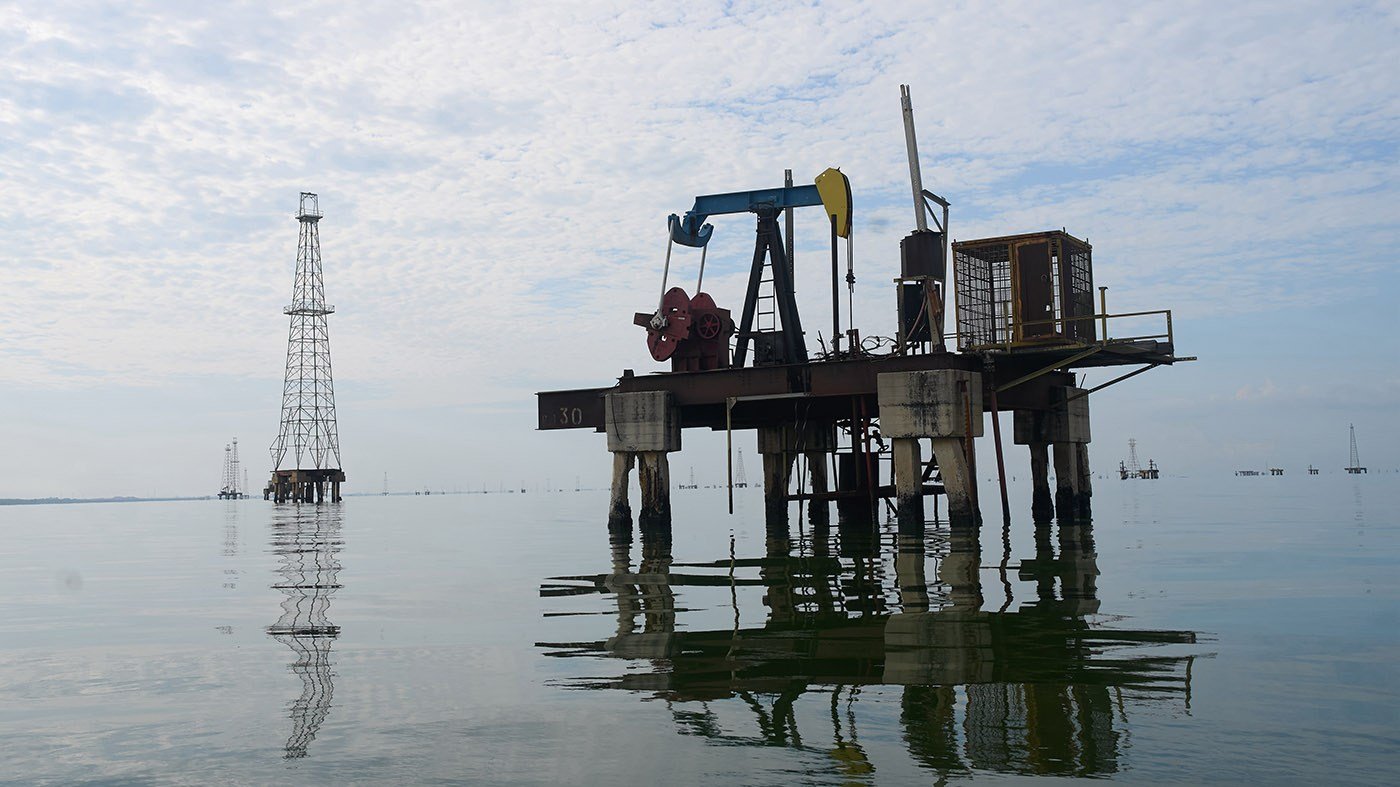
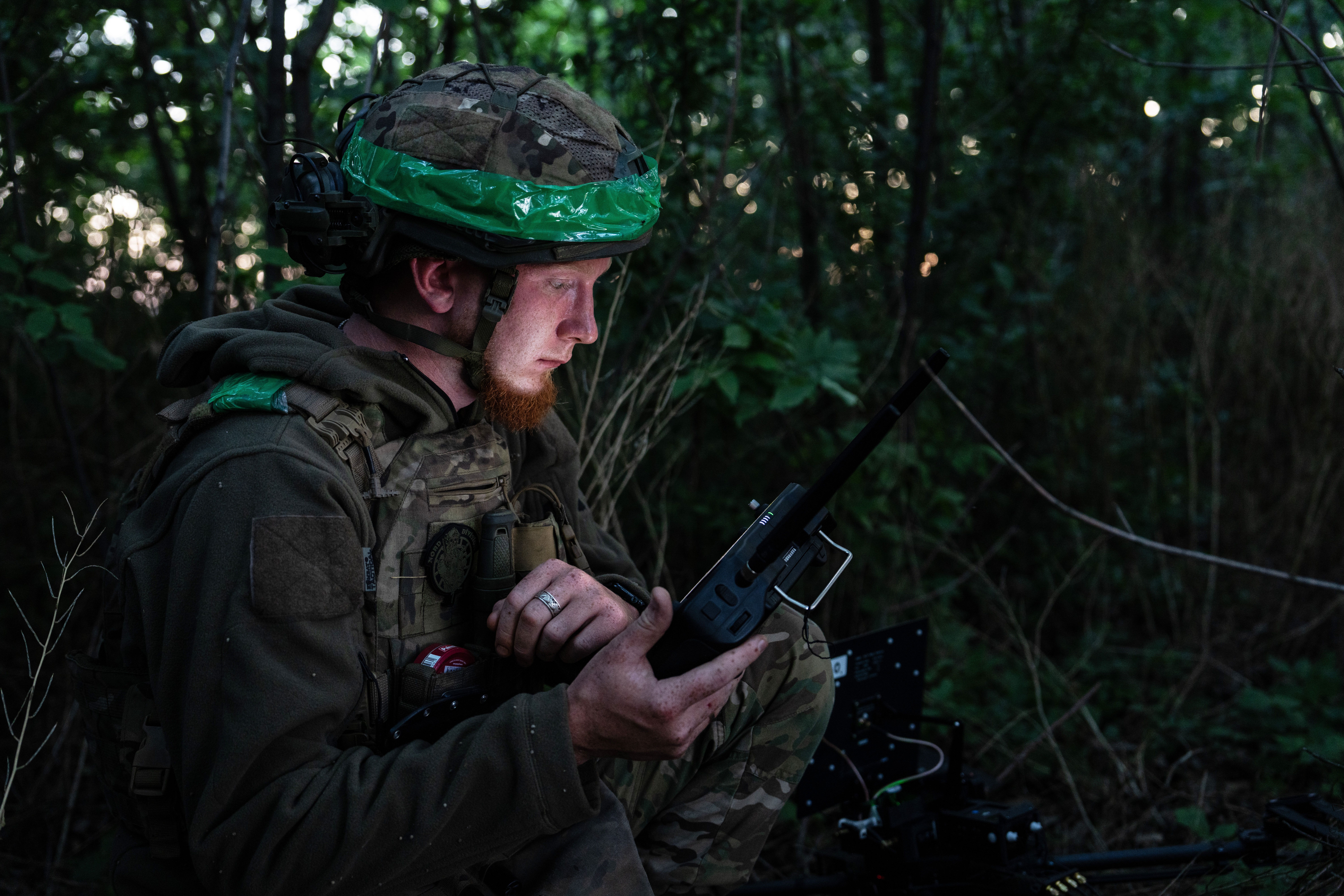
Now, Ukraine is no longer fighting a defensive war of attrition. Through a relentless asymmetrical campaign—especially its strategic drone strikes—Kyiv is shifting the war’s dynamics and inflicting severe damage on Russia’s war economy. Ukraine has hit all 11 of Russia’s largest oil refineries, including one as far east as Siberia, destroying or degrading 43 percent of refining capacity and causing $13.5 billion in losses. Shortages are spreading, and Crimea is nearly isolated.
Ukraine has also struck WildBerries, Russia’s Amazon-like distribution network, causing billions in damage and disrupting military supply chains. These blows are forcing Russia to retrench globally. Putin could not save Syrian dictator Bashar al-Assad, and even Iran—a wartime ally—is beyond Moscow’s help under U.S. pressure. Russian paramilitaries face heavy attacks from Islamic State fighters in the Sahel, and Putin has lost influence in Venezuela and risks losing Cuba.
Perhaps most significantly, Ukraine’s success has forced China to hedge. In 2025, Beijing became Kyiv’s largest trading partner, with bilateral trade reaching $21 billion. Ukraine’s drone warfare innovations are prompting Xi to rethink any invasion of Taiwan. Even North Korea is reeling: its soldiers have died in Ukraine, and its artillery has proven marginal. Putin, once seen as a counterweight to China, is now a weakened junior partner; Xi has rejected the Siberia 2 gas pipeline, telling Moscow to stop raising the subject.
The broader implications are clear: Ukraine’s asymmetric campaign is not just defending its territory but reshaping the global balance of power. The West, still oblivious, may be watching the end of World War III without realizing it.