House privacy hawks are scuttling a Senate plan that would trade a three-year ban on central bank digital currency (CBDC) for a long-term extension of warrantless surveillance powers under the Foreign Intelligence Surveillance Act (FISA). The proposal, circulated by Senate Intelligence Committee Chair Tom Cotton (R-Ark.) and Senate Judiciary Committee Chair Chuck Grassley (R-Iowa), would reauthorize Section 702 of FISA for three years before its June 12 expiration, while only temporarily prohibiting the Federal Reserve from issuing a CBDC.
Section 702 allows the government to intercept communications of foreigners abroad without a judicial warrant, but it also sweeps up data of Americans. Hardline conservatives in the House have long demanded a permanent CBDC ban and a warrant requirement for any surveillance that touches U.S. citizens. The Senate bill includes neither, drawing immediate fire from the far-right flank.

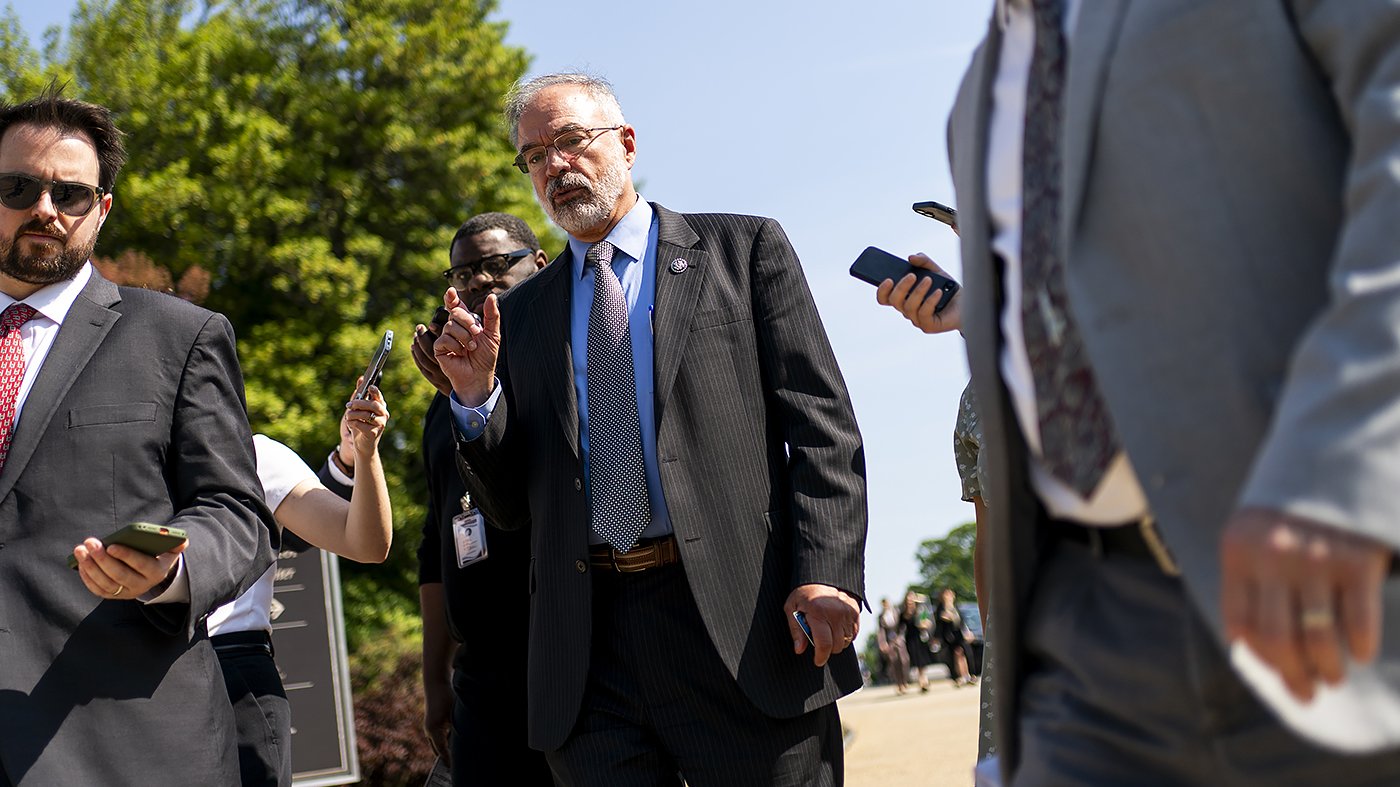
“It’s a nonstarter,” said Rep. Andy Harris (R-Md.), chair of the House Freedom Caucus. “If they want to bring this under a rule in the House, it’s going to have to include a permanent ban on CBDC.”
Rep. Keith Self (R-Texas) echoed that sentiment, declaring, “We have to permanently ban CBDC. There is no other option.” The demand for a permanent prohibition reflects deep unease among privacy advocates about government tracking of financial transactions. The issue has become a flashpoint amid broader debates over surveillance reform and digital currency policy, as seen in recent warnings from former Trump adviser Peter Navarro against Fed rate hikes and the ongoing battle over the Fed's independence.
Speaker Mike Johnson (R-La.) faces a tight math problem. He would need near-unanimous GOP support to pass a procedural rule for debate and a final vote on any FISA measure. Alternatively, he could use a fast-track process called suspension of the rules, which requires a two-thirds majority and would force him to rely on Democratic votes—a risky move given the conference’s internal divisions. The Senate proposal also omits a warrant requirement, a key demand of privacy hawks.
“Look, we have to have protections for the average American citizen from data gathering by the federal government,” Harris said. “The CBDC thing goes a long way toward that. Warrant can go a long way toward that, but they can’t have their cake and eat it too.”
Rep. Tim Burchett (R-Tenn.) was blunt: “I like the Constitution. I just don’t think you ought to be able to go after folks without a legitimate search warrant. It’s been abused in the past, and I think it will be abused in the future.”
Congress has already passed two short-term extensions of Section 702 as talks between hardliners and GOP leadership stalled. House Majority Leader Steve Scalise (R-La.) told reporters Wednesday that “there’s still a lot of negotiations going back and forth” on a long-term extension. “We’ve got to get it resolved, because you know we’ve extended this deadline a few times. What we really want is a long-term deal…But until we can get that agreement, we’ve been having to do short-term patches, which is not ideal, because this is a critical tool for our national security. It has stopped multiple terrorist attack attempts on our homeland,” Scalise said.
The standoff mirrors broader GOP fractures over surveillance and privacy, with some members pushing for sweeping reforms while others prioritize national security tools. The debate over CBDC also intersects with concerns about financial surveillance, as highlighted by a recent class-action lawsuit against Amazon over facial recognition that underscores public unease with government and corporate data collection. Meanwhile, the clock is ticking: if no deal is reached by June 12, Section 702 will expire, potentially hampering intelligence operations.