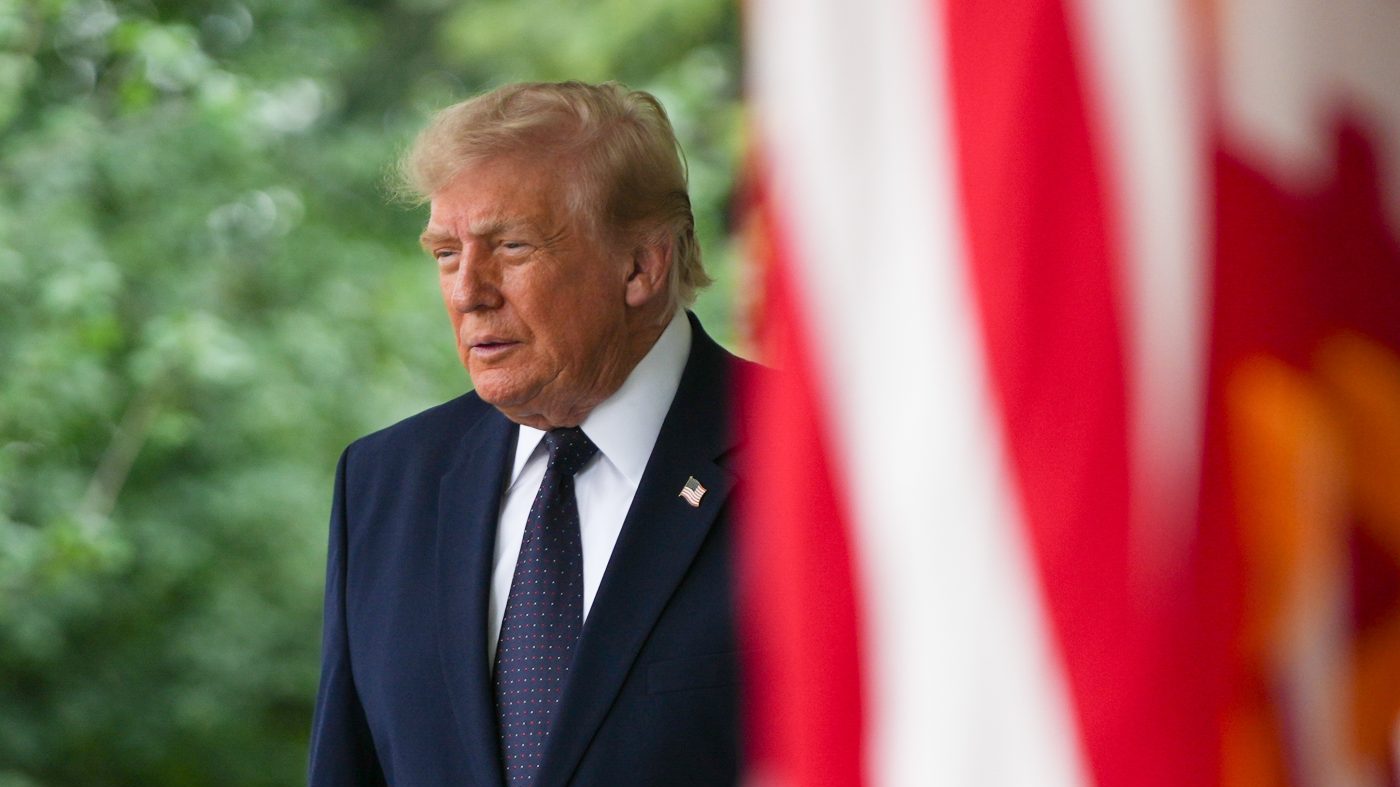
President Donald Trump participated in a dignified transfer ceremony Wednesday morning at Dover Air Force Base, honoring four American service members who died in the ongoing war with Iran. The event, which began at 11:15 a.m. EDT, marked a solemn moment as the administration faces mounting casualties from a conflict that has intensified since a temporary ceasefire unraveled.
The Pentagon identified the fallen soldiers as Sgt. Angel S. Rampersad of New York, 1st Lt. Tyler Feehan of Hawaii, Pvt. Isabella Gonzales of Texas, and Sgt. Michael Emmanuel Swinton of North Carolina. Rampersad, Feehan, and Gonzales were killed in strikes in Jordan, while Swinton died Saturday in a drone detonation at Erbil Air Base in Iraq.
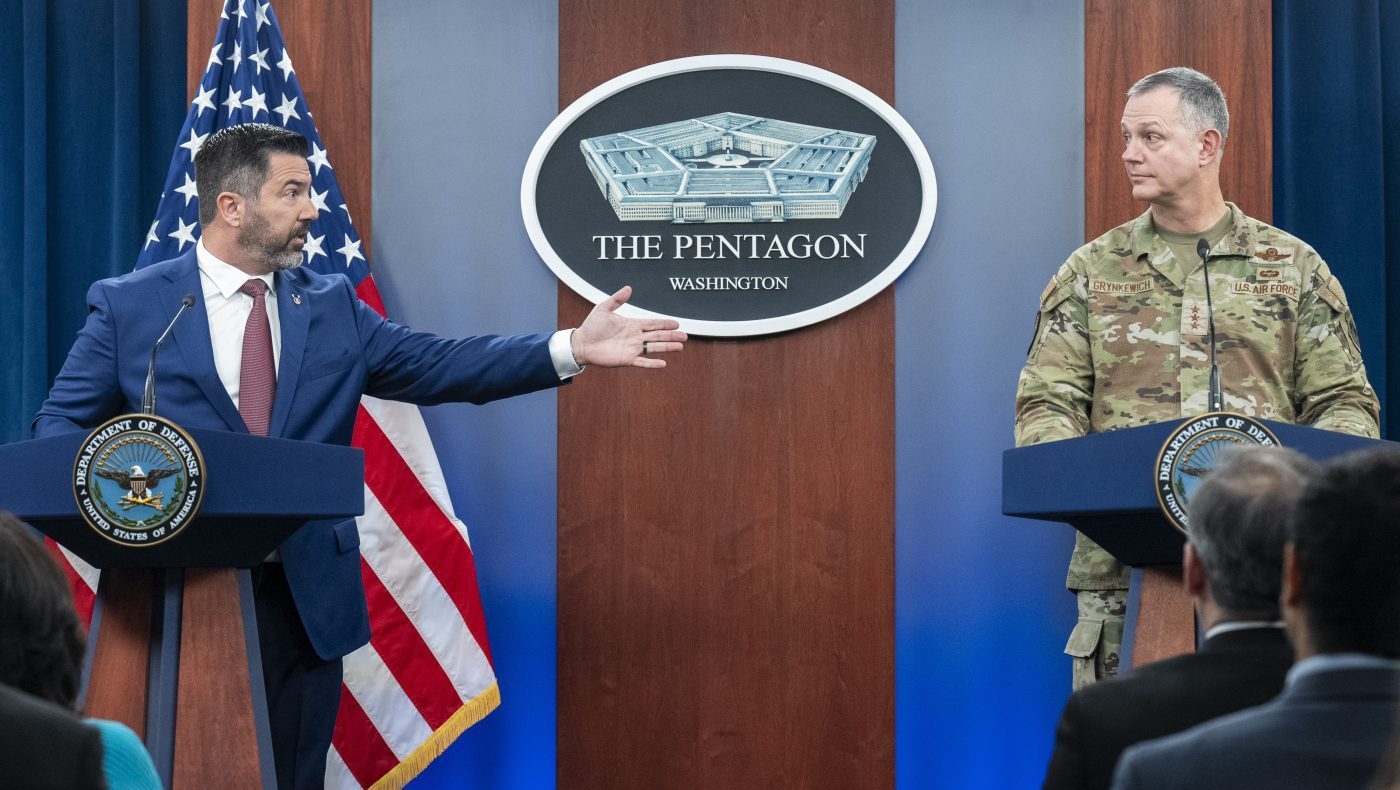
The ceremony comes as the U.S. military has renewed attacks on Tehran following the collapse of a short-lived truce. The deaths underscore the human cost of a conflict that has drawn sharp debate in Washington, with critics questioning the administration's strategy and allies urging restraint. Trump has previously threatened to bomb Iranian bridges and power plants in response to attacks on the Strait of Hormuz, escalating rhetoric that some analysts say risks a wider war.
Dignified transfers, which involve the return of remains to U.S. soil, are deeply symbolic events that have historically drawn presidential attendance during conflicts. Trump's presence at Dover echoes his earlier visit for a transfer of fallen troops amid ongoing budget negotiations, signaling the political weight of military casualties as the 2024 election cycle heats up.
The conflict with Iran has strained U.S. resources and alliances, with the Pentagon reporting at least four deaths this month alone. The breakdown of the ceasefire, which had briefly halted hostilities, has led to renewed airstrikes and drone operations. Swinton's death at Erbil Air Base highlights the persistent threat from Iranian-backed militias, which have targeted U.S. positions in Iraq and Syria.
Opposition lawmakers have seized on the casualties to criticize Trump's foreign policy, arguing that the administration lacks a clear exit strategy. Meanwhile, Republican allies have defended the president's approach, emphasizing the need to counter Iranian aggression. The White House has not commented on whether the latest deaths will prompt a shift in military posture.
The ceremony, which was livestreamed, drew attention to the broader toll of the Iran war, which has killed dozens of U.S. service members since hostilities escalated. As Trump continues to reshape the White House and campaign on a tough-on-Iran platform, the transfer serves as a stark reminder of the stakes.
Defense analysts note that the dignified transfer process, which includes a solemn honor guard and family briefings, is designed to respect the fallen while reinforcing military discipline. For Trump, the event also offers a chance to project resolve amid criticism that his administration has been slow to address the conflict's human cost.