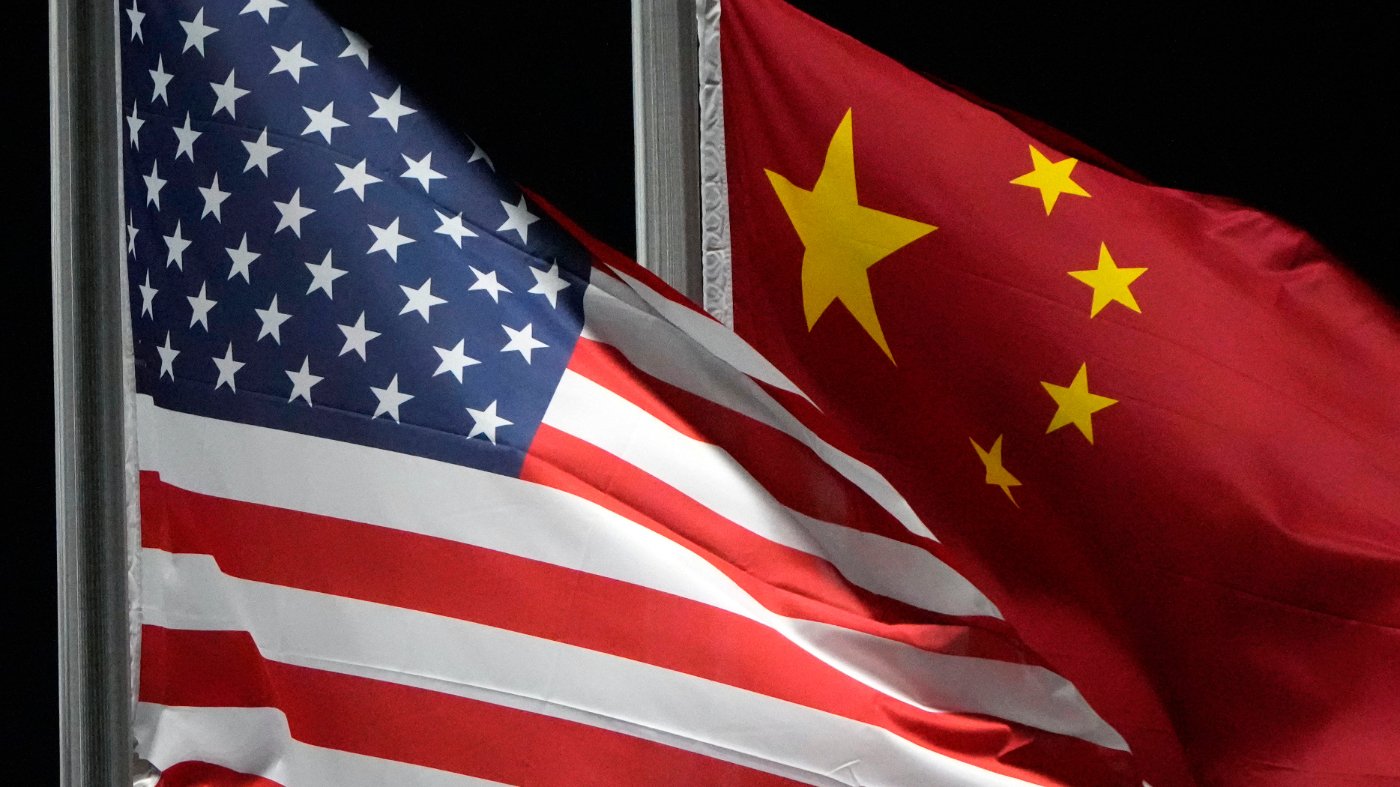
For the first time in over two decades of tracking international attitudes, the Pew Research Center has recorded a seismic shift: China is now viewed more favorably than the United States in a majority of countries surveyed. The finding marks a sobering moment for Washington, as America’s global image falls behind its chief rival.
The survey reveals that a median of 75% of respondents across surveyed nations see the U.S. as highly interventionist, compared to just 45% for China. This perception gap is driving a broader erosion of trust, even among America’s closest allies. Citizens in Canada, Britain, France, Germany, Italy, and Australia now hold more favorable views of Beijing than of Washington.
At first glance, the results seem paradoxical. China continues to intimidate neighbors through incremental land grabs in the South China Sea, economic coercion, and human rights abuses, including the mass detention of Uyghurs in Xinjiang and suppression of Tibetan identity. Yet Beijing’s expansionism is often stealthy—advanced through gradual redrawing of maritime borders and quiet militarization of critical trade routes, such as the South China Sea, through which a third of global commerce passes.
The Trump administration, by contrast, has made American power projection explicit and unapologetic. From military interventions in Iran and Venezuela to trade wars and talk of acquiring Greenland or reclaiming the Panama Canal, President Trump has abandoned the traditional cloak of international order. This undisguised coercion carries a higher reputational cost than China’s stealthier approach, according to the Pew data.
America’s greatest strategic asset has never been just its hard power. It was soft power—the ability to attract rather than compel. That reservoir of goodwill, which once multiplied U.S. influence, is now being depleted. The administration’s aggressive unilateralism, including the takeover of Venezuela and escalating trade coercion, is accelerating the decline.
The contrast with past administrations is stark. George W. Bush spent months seeking UN authorization for the Iraq War, building a case around weapons of mass destruction. He understood that legitimacy mattered. Trump, however, increasingly treats legitimacy as unnecessary, substituting raw power for internationally accepted rules. Secretary of State Marco Rubio’s praise for 19th-century imperial expansion only reinforces this worldview.
This erosion of legitimacy is not an abstract loss. It raises the cost of diplomacy, weakens alliances, and discourages voluntary alignment with American leadership. As one analyst noted, no arsenal can compensate for the loss of trust. The latest Pew survey is an early warning: the world’s confidence in U.S. leadership is fading, and rebuilding it will require more than military might.
For a deeper look at how these dynamics are reshaping global alliances, see our analysis of the new Monroe Doctrine and its impact on Latin America’s stance toward China. Meanwhile, domestic political shifts, such as the Democrats’ 11-point lead in generic ballot polling, suggest that voters are increasingly attuned to foreign policy consequences.
The question now is whether Washington can reverse this trend before the damage becomes permanent. As the Pew survey underscores, America’s ability to lead depends not just on power, but on persuasion.