A little-noticed provision in the House farm bill threatens to overturn decades of state-level horse slaughter bans, potentially reviving a practice that polls show 80 percent of Americans oppose. The Save Our Bacon Act, or SOB Act, is ostensibly aimed at blocking state laws that restrict pig confinement, but its broad language could nullify more than 600 state and local animal welfare statutes, including prohibitions on horse slaughter.
The provision has drawn sharp criticism from both sides of the aisle for its federalism implications and its impact on animal welfare. It would override voter-approved ballot measures and state laws, effectively handing industrial agriculture a win at the expense of local control. Critics argue the SOB Act is a gift to Big Ag lobbyists, but a threat to small farmers and animals alike.
House Republican leaders blocked a vote on an amendment by Rep. Anna Paulina Luna (R-Fla.) that would have stripped the SOB language from the bill. This move signals the leadership's willingness to prioritize industry interests over widespread public sentiment. The Senate Agriculture Committee has already deemed the provision too controversial for its base text, but Iowa Sens. Joni Ernst and Chuck Grassley, both Republicans, are expected to push for it as an amendment. Grassley has said, “It’s got to be in the farm bill or it won’t get done.”
Horse slaughter has a dark history in the United States. At its peak in the 1980s, more than 300,000 horses were killed annually at 16 federally inspected plants. Bipartisan opposition led to state-level bans in Texas (1949), Georgia (1974), California (1998), Illinois (2007), Florida (2010), New Jersey (2012), and New York (2023). In 2005, Congress effectively ended domestic slaughter by defunding USDA inspections, though loopholes allowed it to continue until 2007. When the federal funding ban was briefly lifted in 2011, the USDA assured the public that state bans would prevent a resurgence.
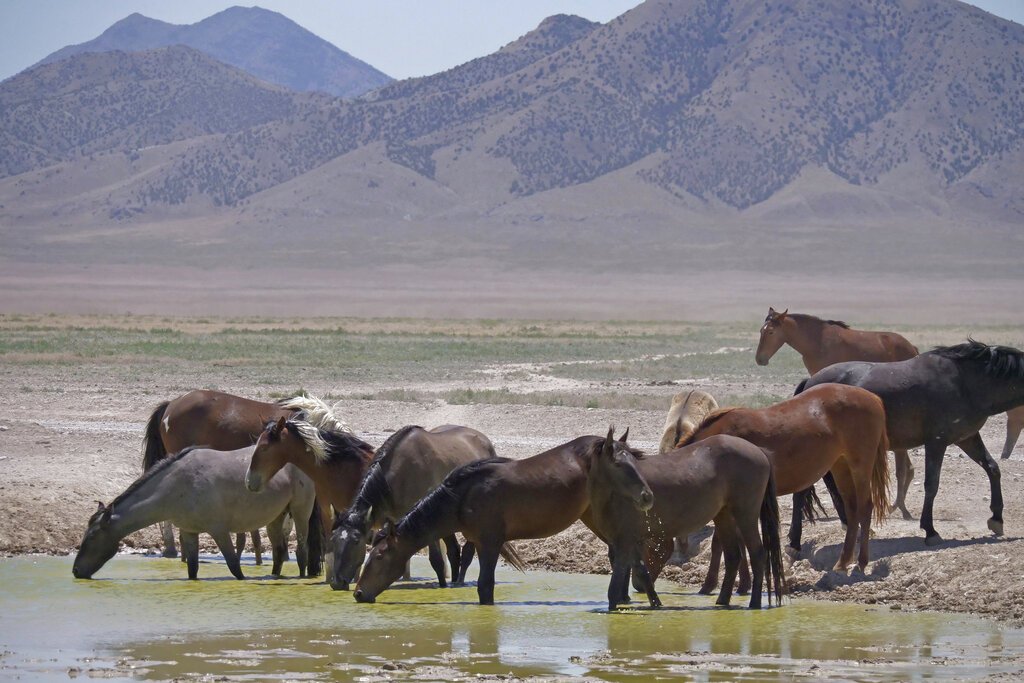
But the SOB Act threatens to unravel those protections. If the Senate includes the language, the USDA's assurances could become meaningless. International demand for horse meat remains strong, and “kill buyers” already ship roughly 20,000 American horses annually to Mexico and Canada for slaughter. These horses include former children's ponies, racehorses, farm animals, and even wild horses from the Bureau of Land Management's Sale Authority Program. Animal welfare advocates and veterinarians argue that most of these horses could live productive lives if given the chance.
Proponents of horse slaughter frame it as a humane solution for unwanted animals, but critics say it normalizes cruelty and incentivizes poor stewardship by providing a profitable disposal method. Reviving domestic slaughter, they argue, would only worsen overpopulation while igniting fierce bipartisan backlash. As voters in places like Monterey Park have shown, local communities often take the lead on contentious issues when Congress fails to act.
The farm bill is always a complex package of trade-offs, but horse slaughter appears to be a red line for the electorate. Voters across the political spectrum view horses as uniquely important to American history and culture, and they oppose sending them into the slaughter pipeline. The Senate faces a clear choice: honor the will of the people and protect state-level authority, or side with corporate interests and risk a major backlash. Excluding the SOB language is the only way to streamline the farm bill's passage and avoid angering a broad bipartisan majority.
Meghan Miller is senior fellow at the Wilberforce Institute.