In a landmark vote that signals escalating local resistance to the infrastructure powering the artificial intelligence boom, voters in Monterey Park, California, have overwhelmingly approved what appears to be the first voter-initiated ban on data centers in the United States.
According to returns from the Los Angeles County clerk, roughly 86 percent of voters in this San Gabriel Valley city backed the measure in Tuesday’s election. The new law prohibits the construction or operation of data centers citywide, citing the need to “protect air quality, drinking water resources and public health” and “prevent impacts to electricity and water rates.”

The vote was a direct response to a proposed data center project that sparked fierce community opposition. That project was withdrawn earlier this year after the Monterey Park City Council imposed a temporary moratorium on new data center development.
Growing Backlash Against AI Infrastructure
Monterey Park’s ban is the latest and most aggressive example of a nationwide pushback against the sprawling server warehouses that are essential to AI development. While moratoriums and restrictions have been adopted at the state and local level, this is the first instance where voters themselves enacted an outright prohibition through a ballot measure.
The trend extends beyond California. In April, voters in a Wisconsin city passed a referendum requiring that large-scale data center projects receiving tax incentives must secure voter approval before proceeding. That move followed the construction of a major data center campus that had been granted tax breaks.
At the state level, several legislatures have debated data center moratoriums, though none have yet become law. Lawmakers in Maine passed a ban, but Democratic Governor Janet Mills vetoed it. In New York, the state legislature appears poised to approve a one-year moratorium on data center construction, though it remains uncertain whether Governor Kathy Hochul will sign it.
Environmental and Resource Concerns Fuel Opposition
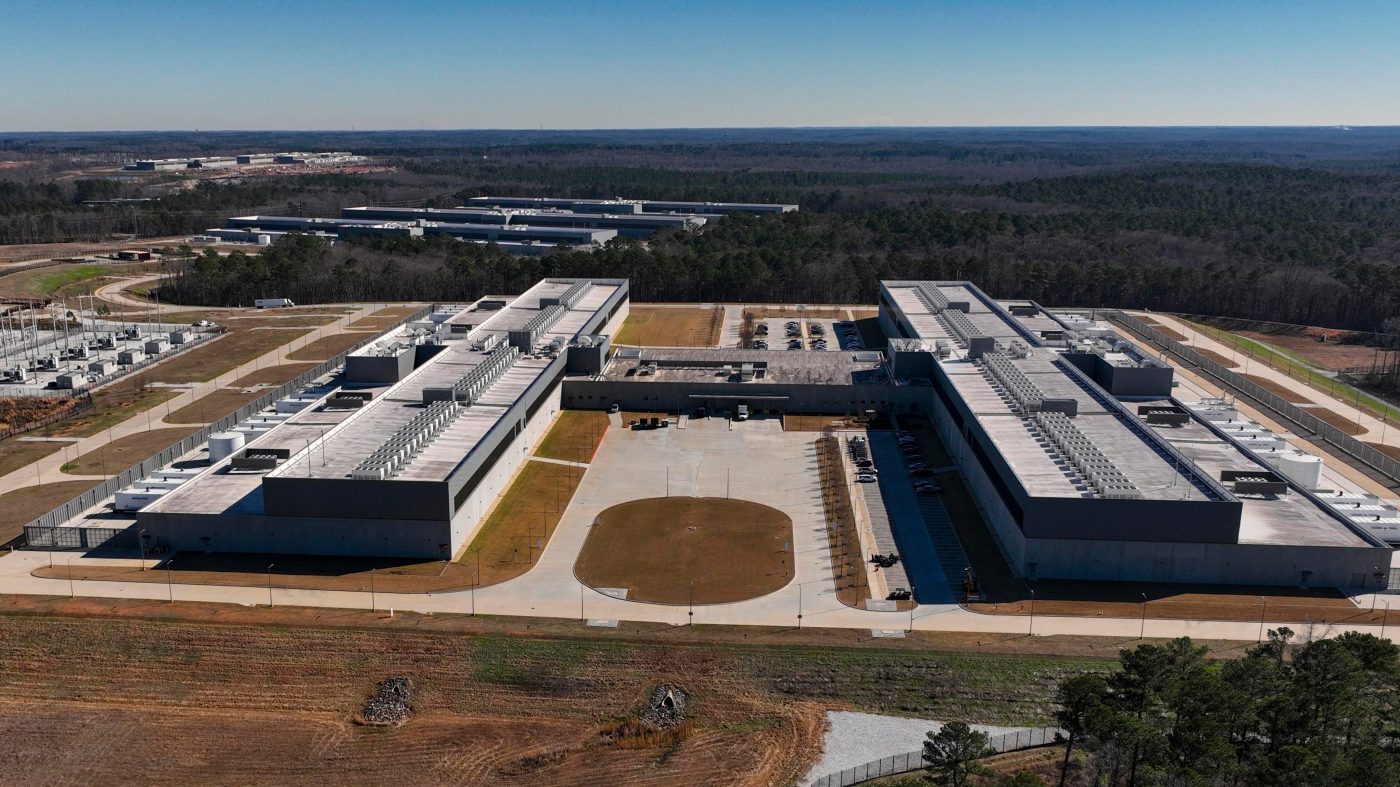
Data centers are critical to the AI race, providing the immense computing power needed to train and run advanced models. Tech giants have been racing to build new campuses to meet surging demand. But the facilities are notoriously energy- and water-intensive, often straining local grids and water supplies.
Public sentiment has turned sharply against them. A recent Gallup poll found that 71 percent of U.S. adults oppose having a data center built in their community, citing concerns over resource consumption, higher utility costs, and diminished quality of life.
The Monterey Park vote underscores a broader political tension: the conflict between the economic and technological ambitions of the AI industry and the environmental and quality-of-life priorities of local communities. As more jurisdictions consider restrictions, the data center industry may face an increasingly fragmented regulatory landscape.
For now, Monterey Park has drawn a clear line. The question is whether other cities and states will follow suit—or whether the industry can adapt to address the concerns driving this new wave of voter activism.