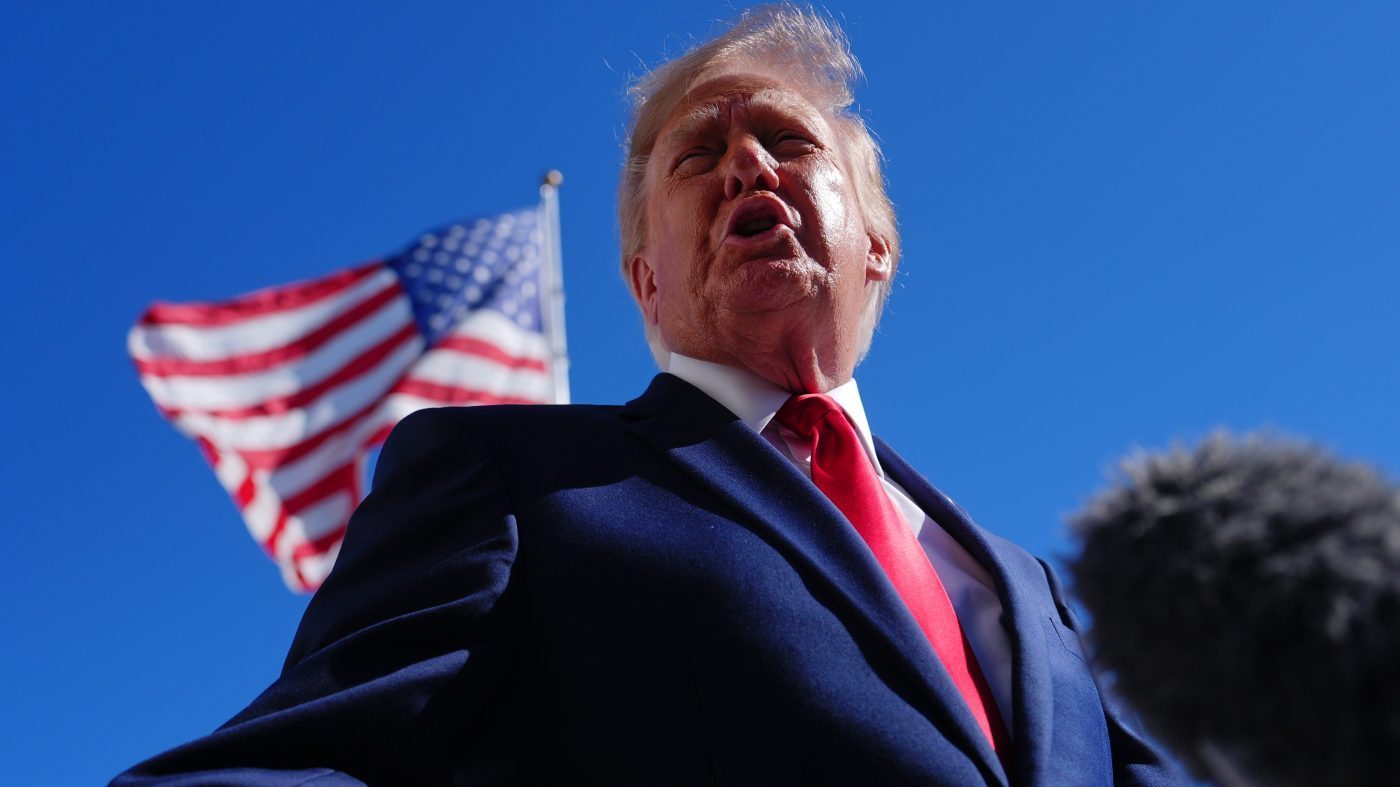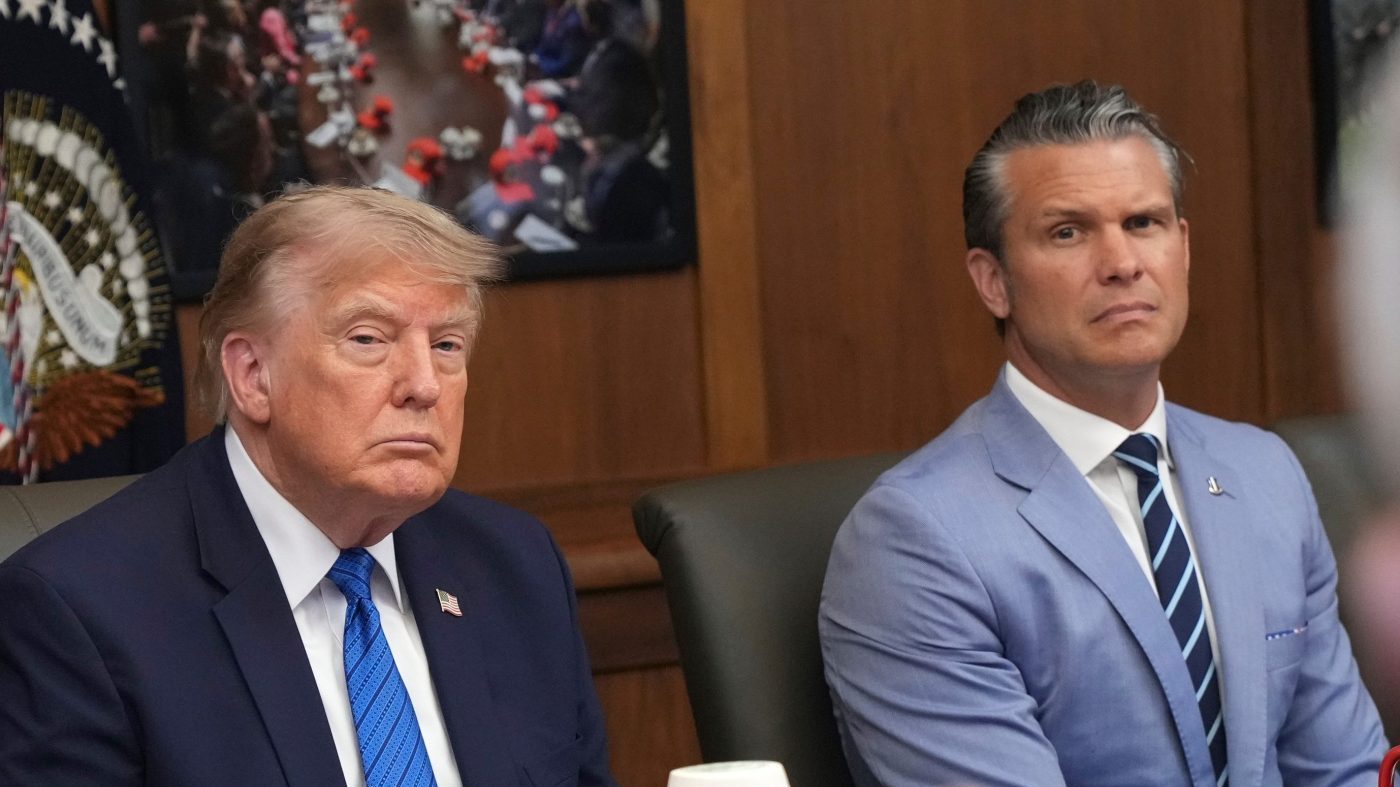
Nearly 50 House Democrats have signed a letter to President Trump and Defense Secretary Pete Hegseth demanding a full accounting of the costs of the Iran conflict, according to a report from NBC News. The letter, led by Reps. Jason Crow (Colo.), Maggie Goodlander (N.H.), and Derek Tran (Calif.) — all military veterans who co-chair the House Democrats' national security task force — challenges the administration's initial promise of a short, limited operation.
"What was billed as a two-week operation is now a full-scale war that has lasted for over 150 days, cost over $37 billion, and claimed the lives of 18 servicemembers," the lawmakers wrote. "At the same time, prices across the country have gone up significantly, placing the burden of this conflict on American families."
The letter comes as the administration escalates its economic pressure on Tehran. Treasury Secretary Scott Bessent has described the latest sanctions as the "final phase" of Trump's pressure campaign, a move that also puts Beijing on notice as it seeks to maintain oil imports from Iran.
Trump initially predicted the war would last about a month, but the conflict has now stretched nearly six months with no lasting peace deal in sight. In late July, Hegseth told the Senate Appropriations Committee the war had cost roughly $37.5 billion. However, NBC News reported earlier that month that the Pentagon's internal estimate is far higher — between $80 billion and $100 billion when factoring in repairs to damaged bases, replacement of destroyed aircraft, and full replenishment of weapons stockpiles.
White House budget director Russell Vought has already requested $67.1 billion in supplemental funding for the Pentagon, including $17.3 billion for operational costs and $21 billion for munitions, reflecting the military's depleted arsenal after months of strikes.
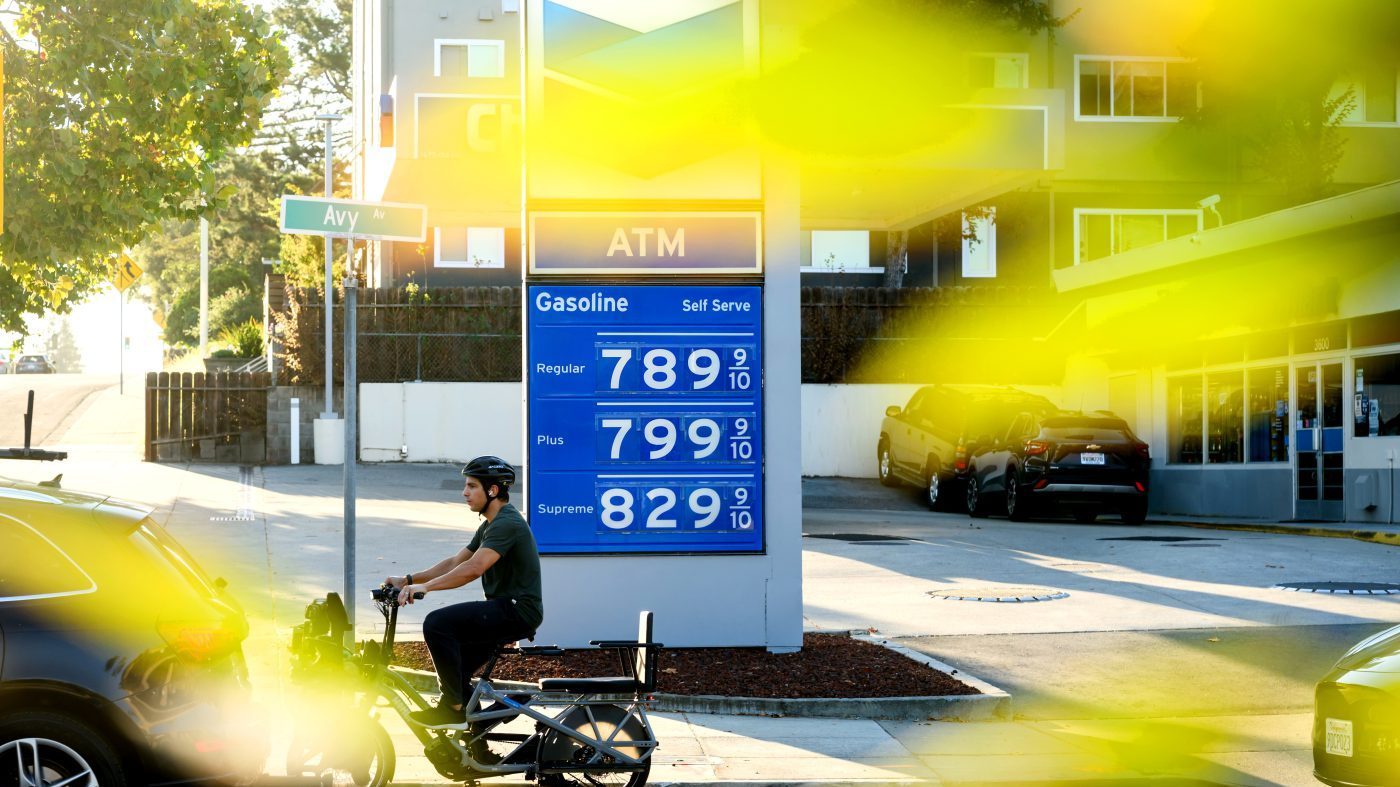
The financial strain extends to American households. The average price of a gallon of regular gas is now roughly $4.09, up from under $3 just before the U.S. and Israel launched the conflict, according to AAA. The Democratic lawmakers directly linked these price hikes to the war, accusing Trump, his family, and his "friends in the oil industry" of using the conflict "to pad their pockets."
"Gas, groceries, and everyday goods have all gotten more expensive, with no end in sight," they added.
Trump, however, has defended the cost. Earlier this month, he told an audience in Garden City, N.Y., that it is worth it for Americans "to pay a tiny, little bit more" for gas to prevent Iran from developing a nuclear weapon. "So remember that, when you have to pay a little bit more, you're at $4, it's OK. … I'll never apologize, I did the right thing," he said.
The White House and Pentagon have not yet responded to requests for comment on the letter. The push for transparency comes as Democrats also face electoral challenges in red states, but the national security front remains a key battleground as the war's costs mount.