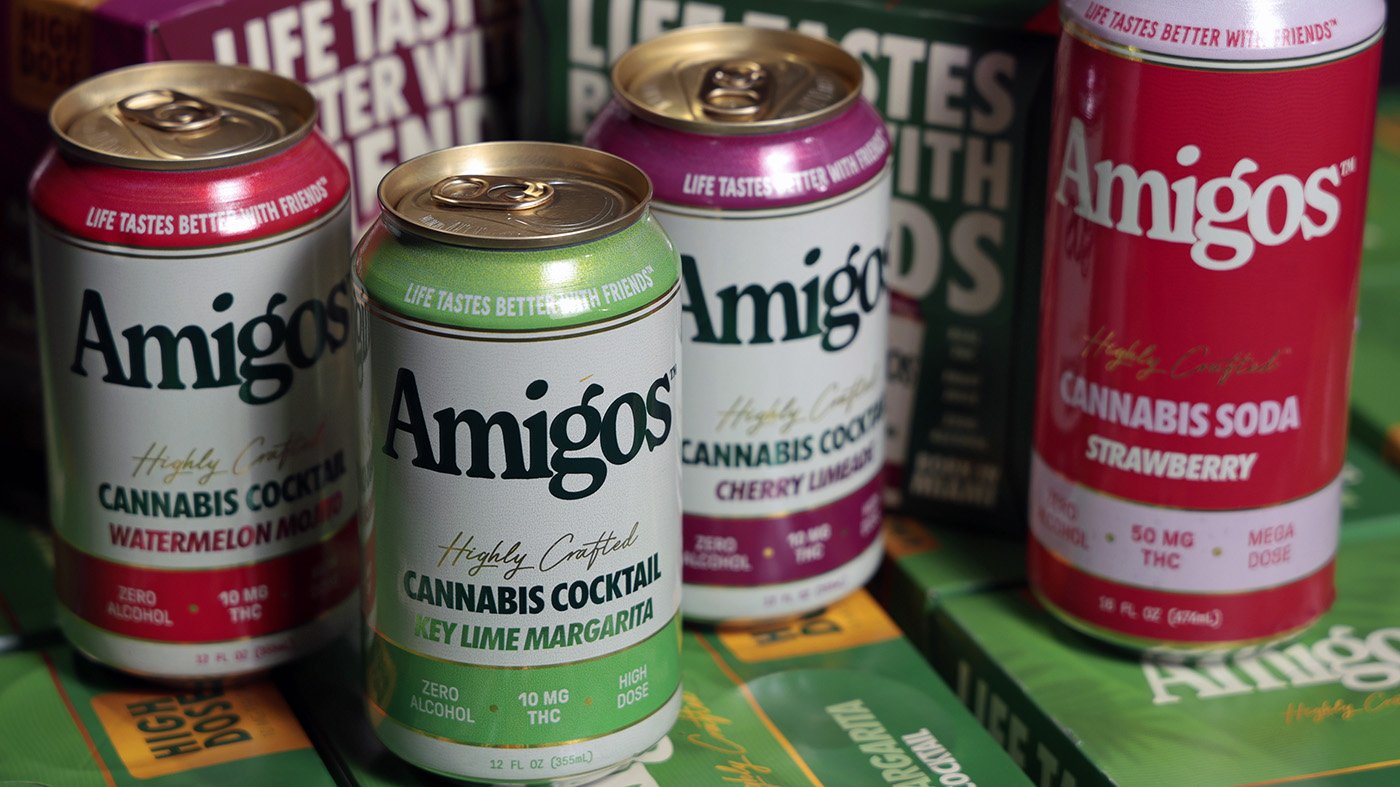
The hemp-derived intoxicants industry and its supporters are in a desperate race against time to persuade Congress to halt or postpone a federal ban set to take effect in November. Without legislative intervention, products like THC-infused gummies, beverages, and vapes will be removed from the market.
There is bipartisan interest in disrupting the ban, which was championed by Sen. Mitch McConnell (R-Ky.) and included in last fall's government funding bill. Rep. Andy Barr (R-Ky.), widely seen as McConnell's likely successor, has signaled openness to alternative approaches. However, McConnell views preserving the ban as a key part of his legacy, making any effort to delay or alter it this year contingent on winning his support.
Sen. Ted Cruz (R-Texas) recently told the Hemp Industry & Farmers of America (HIFA) that McConnell's active opposition would likely prevent any significant shift in votes. Cruz was the only other Republican to vote for an amendment last fall that would have stripped the hemp language, sponsored by Sen. Rand Paul (R-Ky.). Cruz suggested that a resolution may have to wait until McConnell retires at the end of the year.
Barr, who won Kentucky's GOP primary with President Trump's endorsement and is favored to win the Senate seat, has proposed a regulatory pathway to keep intoxicating hemp products on the market. Speaking at a HIFA meeting, Barr argued for a level playing field with alcoholic beverages. However, his amendment to the House Agriculture and FDA appropriations bill was rejected by the Rules Committee, along with similar proposals from Reps. Russell Fry (R-S.C.) and Ilhan Omar (D-Minn.). Rep. James Comer (R-Ky.) withdrew his amendment to defund enforcement just before the panel met.
McConnell led the charge to legalize hemp in the 2018 farm bill, intending it for agricultural and textile uses. But the law's broad definition and lack of federal regulation created a loophole allowing companies to extract and synthesize high levels of THC. The market quickly flooded with intoxicating products sold without consistent age restrictions or labeling, often resembling candy. McConnell's provision in the government funding bill aimed to close this loophole.
Multiple bills have been introduced or are under discussion to either delay implementation or create a new regulatory and tax structure for hemp-derived THC products. Thomas Winstanley, executive vice president at Edibles.com, noted that while the industry is closer than ever to good legislation, the risk of losing everything in a few months is equally high. Barr is expected to introduce his bill as standalone legislation in the coming weeks.
However, lobbyists indicate that even parts of the hemp industry oppose Barr's bill, viewing it as too permissive and likely to allow continued abuse of the loophole. Other legislative vehicles are in play, including one from Rep. Morgan Griffith (R-Va.), who chairs the Energy and Commerce health subcommittee. But reopening the loophole faces opposition from the marijuana industry and much of the alcohol industry.
Barr, co-chairman of the Congressional Bourbon Caucus, acknowledged the opposition but argued that supporting both hemp products and Kentucky bourbon is not mutually exclusive. Still, sources in both the alcohol and marijuana industries see little political will to act before the midterm elections, noting that the intoxicating hemp industry, while growing, does not move voters. The ban's deadline after the midterms may reduce urgency, leaving the industry's fate uncertain.
For context, similar legislative dynamics have played out in other sectors, such as the push for science-based rules in ocean aquaculture, where bipartisan efforts seek to replace political whims with evidence. Meanwhile, the debate over hemp regulation echoes broader tensions between federal policy and market innovation, much like the ongoing controversy over DOJ funding for political allies. As the clock ticks, the industry's hopes rest on a narrow window of congressional action.