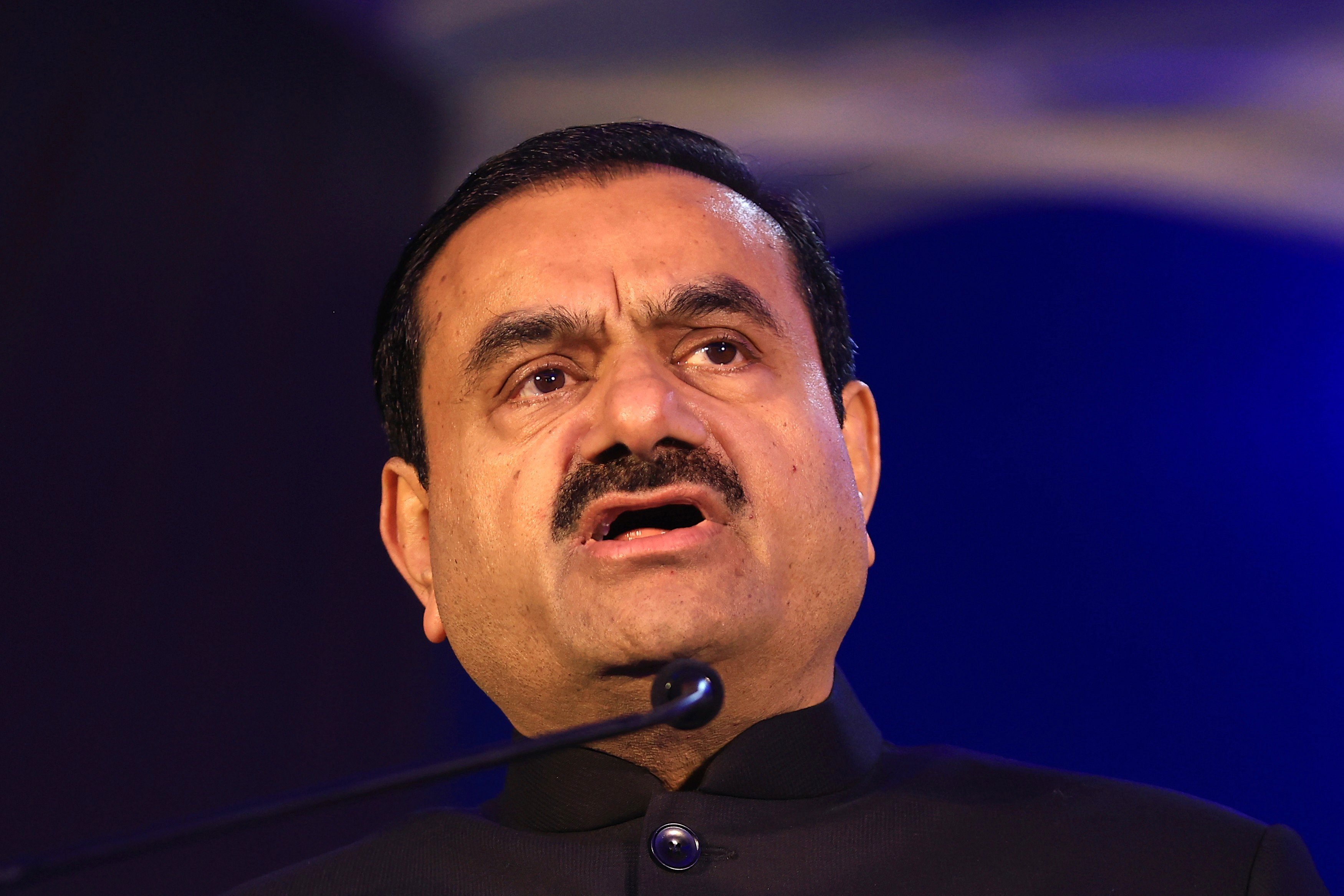
Two centuries after Andrew Jackson flouted a Supreme Court ruling, the Trump administration is testing the limits of judicial authority once again. The Justice Department's move to dismiss a sweeping fraud and bribery indictment against Gautam Adani, India's wealthiest man and a close ally of Prime Minister Narendra Modi, has sparked a standoff with a federal judge in Brooklyn.
The case, United States v. Adani, was brought by the Biden administration just before President Trump took office. It alleges a massive scheme involving billions of dollars. Now, the Trump DOJ wants to drop it entirely. Why? The administration hasn't offered a clear explanation, but the timing is suspicious: Adani's attorney also represents Trump personally, and Adani recently pledged a $10 billion investment in the U.S.

Senior U.S. District Judge Nicholas Garaufis isn't buying the government's silence. When the DOJ filed its motion to dismiss with prejudice, Garaufis demanded answers. He ordered Adani to testify under oath about any promises or deals tied to the dismissal. The government responded by accusing the judge of conducting a “judicial inquisition,” a loaded term repeated in its filing.
The DOJ's language is striking. Instead of simply calling it an “inquiry,” officials chose “inquisition”—a word heavy with historical baggage. It signals a disdain for judicial oversight that has become a hallmark of this administration, as seen in its combative posture toward courts in other cases. For instance, Trump's recent tariff threats and aggressive trade policies have also drawn judicial scrutiny, as noted in coverage of Trump's 100% tariff on generic drugs.
Legally, judges have limited power to block a prosecution dismissal absent evidence of fraud or bribery. That was the outcome in cases involving former New York City Mayor Eric Adams and Trump's ex-national security adviser Michael Flynn. In both instances, judges were unhappy but ultimately had to let the dismissals stand. The same pattern is likely here, as Adani has now sworn under oath that no quid pro quo occurred.
But the deeper concern is the tone. Attorney General Pam Bondi and acting Attorney General Todd Blanche have allowed DOJ lawyers to treat judges with open contempt. The “inquisition” jab is just the latest example. It mirrors Trump's own rhetoric, as seen in his threats to bomb Iranian infrastructure and his ongoing attacks on the judiciary. This pattern extends beyond criminal cases: just days ago, U.S. District Judge Kathleen Williams sanctioned Trump's private counsel and the DOJ for bringing a frivolous suit against the IRS, highlighting a broader disregard for legal norms.
The Adani case, while likely to be dismissed, underscores a troubling trend. Judges like Garaufis and Williams are asserting their role as a co-equal branch, probing for abuses of process. Whether their efforts will yield real accountability remains uncertain, but the administration's contempt for judicial independence is unmistakable.