Georgia Representative Marjorie Taylor Greene publicly criticized prominent evangelical leader Franklin Graham on Thursday, taking issue with his defense of former President Donald Trump's use of artificial intelligence-generated imagery that depicted Trump in religious contexts. The dispute centers on a now-deleted social media post by Trump that showed him in a manner some interpreted as resembling Jesus Christ.
Graham's Defense of Trump
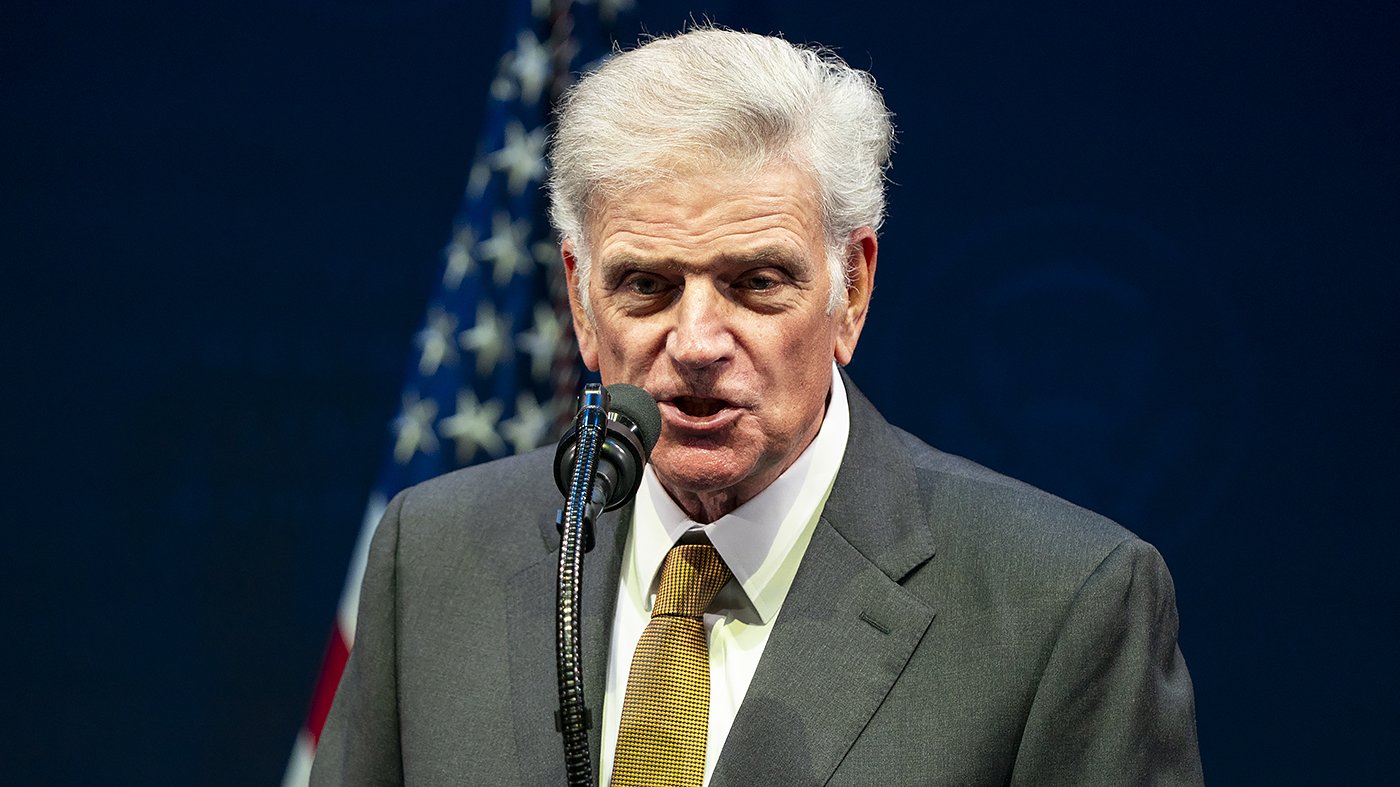
Franklin Graham, a longtime political ally of Trump, stated on platform X that he did not believe the former president intentionally portrayed himself as a divine figure. Graham referenced Trump's explanation that he believed the image represented a medical professional, possibly related to the Red Cross. "There were no spiritual references — no halo, there were no crosses, no angels," Graham argued, describing the controversy as "a lot to do about nothing" that had devolved into "ill-intended speculation." He suggested Trump's critics were "always foaming at the mouth at any possible opportunity to make him look bad."
Graham also addressed a separate AI-generated image Trump shared showing himself embracing Jesus, remarking, "I like the fact that this is a picture of Jesus whispering in his ear, or at least His hand on his shoulder, guiding him. We all need that." He emphasized that Trump did not create the content but merely reposted it because "he thought it was nice."
Greene's Sharp Rebuke
Greene, however, accused Graham of "making excuses" for Trump. She argued that the image of Trump clad in white with a red robe was clearly evocative of traditional depictions of Jesus Christ. "Franklin Graham of all people, who is frequently at the WH and with Trump, should be leading Trump to be a Christian, NOT telling other Christians that Trump did nothing wrong when he committed blasphemy," Greene wrote on X.
The Georgia congresswoman asserted that Trump acted with full awareness. "Trump knows what he is doing. He knows what he posted. He knows how to manipulate his followers," she stated. "And he's not sorry, he never apologized. Instead he lied, and said he was a doctor, which is also absurd."
Broader Religious and Political Context
The controversy emerges amid heightened tensions between Trump and religious institutions. The original post containing the AI image was made as Trump criticized Pope Leo XIV over the pontiff's condemnation of U.S. military operations, including the ongoing conflict with Iran. This friction has reportedly impacted Trump's standing with some religious voters, as his approval among Catholic voters has declined following his criticism of the Pope.
Other religious leaders and Catholic conservatives labeled Trump's post offensive and blasphemous, creating a divide within the conservative Christian community that Graham acknowledged but did not share. The incident highlights the ongoing struggle within the Republican coalition between unwavering Trump loyalists and religious traditionalists concerned about the sanctity of religious symbols.
Trump removed the contentious image on Monday, claiming it had been misinterpreted and that he associated it with the Red Cross. He denied that mounting criticism prompted its deletion. The episode represents another flashpoint in the intersection of digital media, political messaging, and religion, testing the boundaries of support from even Trump's most steadfast allies in the evangelical community.