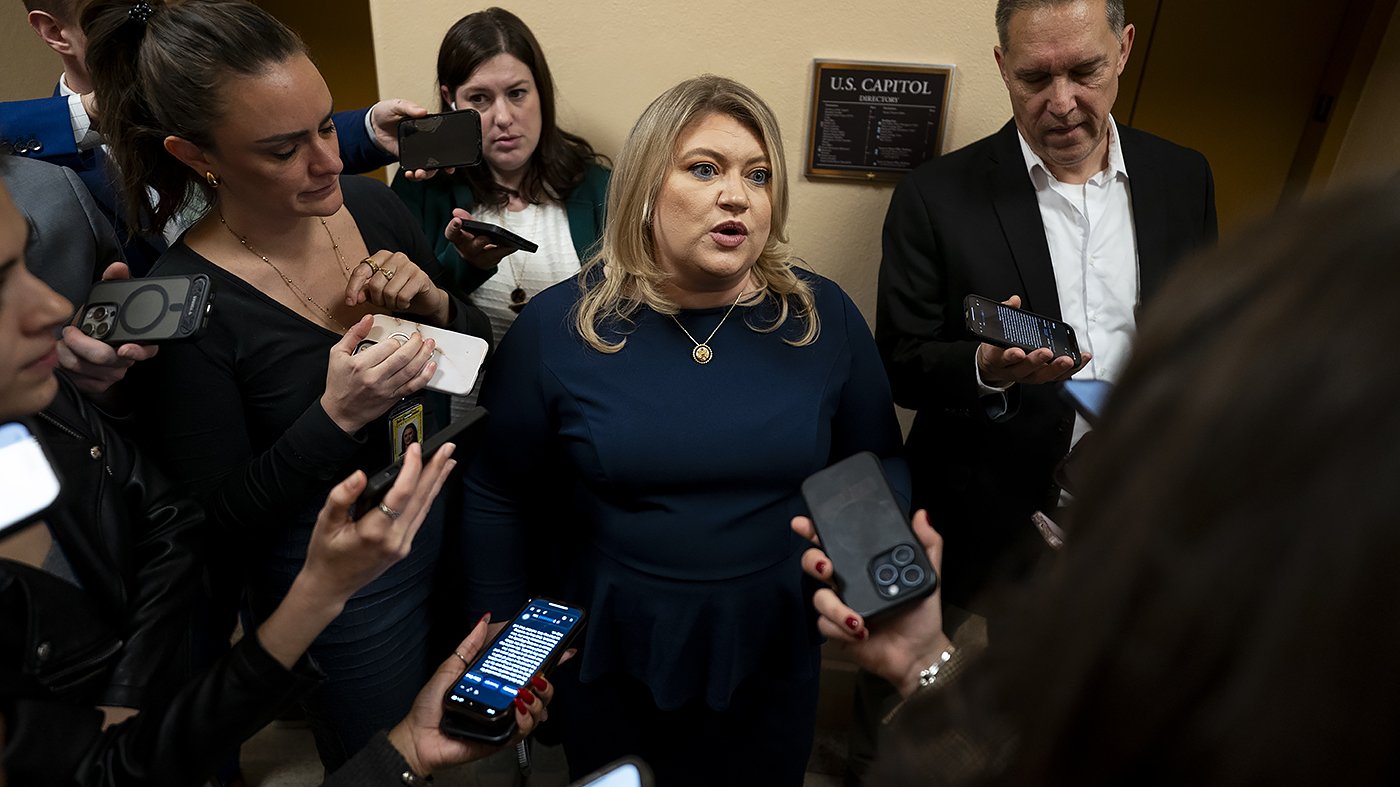
Republican Representative Kat Cammack of Florida took aim Monday at the Trump administration's proposed $1.776 billion “anti-weaponization” fund, labeling it a “billion-dollar-plus slush fund” that fails to tackle the systemic issues behind government weaponization. Hours later, the administration abandoned the initiative amid a firestorm of criticism from congressional Republicans.
Cammack, who chairs the Republican Women's Caucus and served on the House Judiciary Subcommittee on government weaponization last Congress, acknowledged that weaponization within federal agencies is “very real” and “rampant.” However, she argued on Fox News's “Mornings with Maria” that simply throwing money at the problem is not the solution. “I think if you really want to eliminate the weaponization that takes place within the federal government against American citizens and those that serve, you need to actually address the root cause,” she said, adding that the fund exemplifies Washington's “idea of throwing money at a problem and hoping it goes away.”
The fund, announced last month by acting Attorney General Todd Blanche, was part of a settlement agreement in President Trump's lawsuit against the Internal Revenue Service. But it quickly drew bipartisan ire. On Friday, a federal judge in Florida reopened Trump's IRS lawsuit, while a separate judge in Virginia temporarily blocked the fund from making any payouts. Another federal judge ruled that the fund cannot be established until a hearing later this month on a lawsuit opposing it.
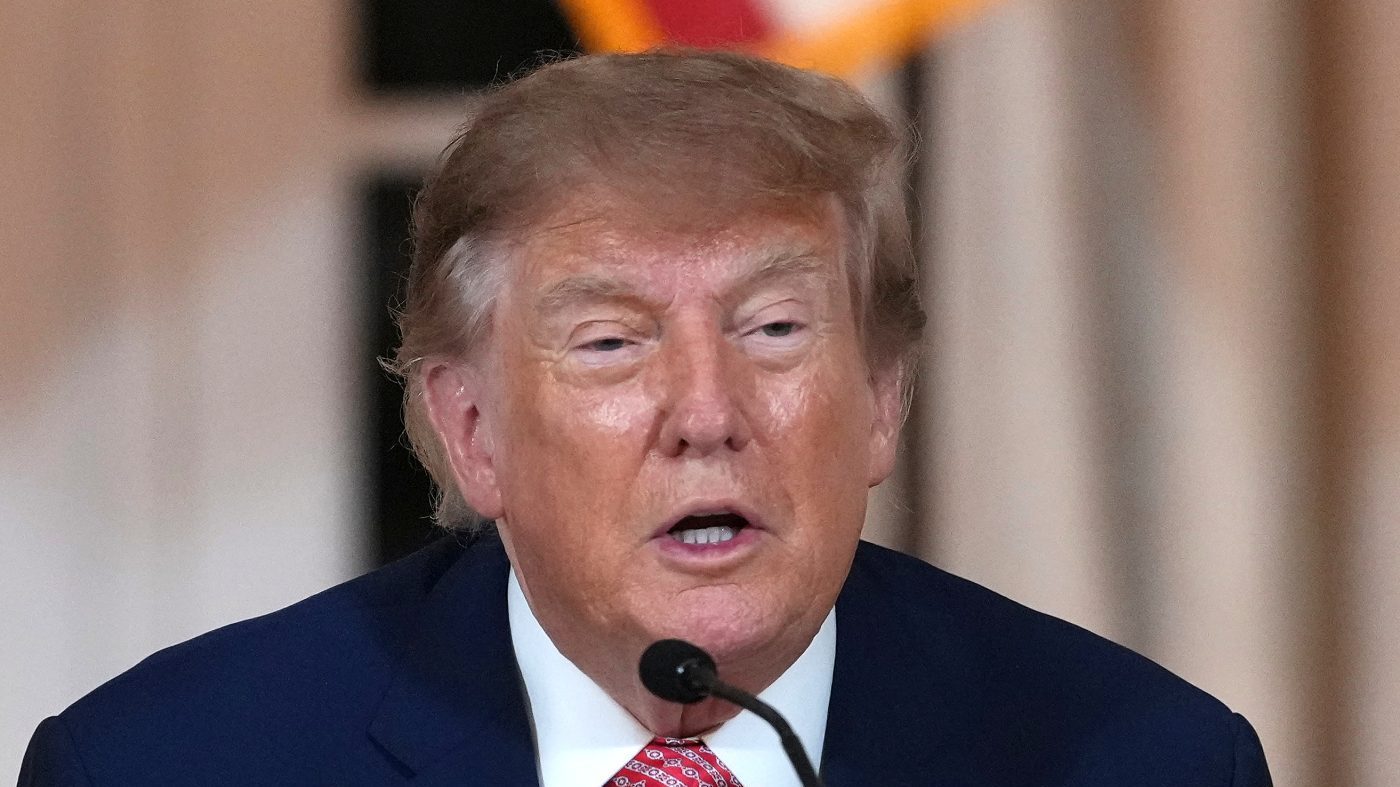
Senate Republicans, during a meeting with Blanche last month, warned they would not support a budget reconciliation bill funding federal immigration enforcement unless the administration addressed their concerns. Senate Majority Leader John Thune (R-S.D.) publicly urged the White House to scrap the fund, while Senate Minority Leader Chuck Schumer (D-N.Y.) signaled he would force votes on the issue this week. President Trump also met with House Speaker Mike Johnson (R-La.) at the White House to discuss the fund before it was pulled.
One flashpoint was the possibility that individuals who assaulted police officers during the January 6, 2021, Capitol attack could receive payouts from the fund. Cammack, whose husband is a firefighter, flatly rejected that scenario. “Under no circumstances would I ever support any payouts for anyone who ever assaulted law enforcement,” she stated.
The episode underscores deepening fractures within the GOP over the administration's spending priorities. Critics have questioned whether the fund was a legitimate tool to curb bureaucratic overreach or a vehicle for political retribution. Cammack suggested the money would be better spent on lowering costs for Americans. “I think that money could be better spent in bringing down the cost of everything and making life more affordable for Americans, while simultaneously addressing the system that allowed for the weaponization against individuals here in this country,” she said.
The fund's demise marks a significant setback for the Trump administration, which has faced mounting scrutiny over its handling of federal agencies. For related coverage, see GOP senators revolt as Blanche's DOJ stumbles over the $1.8 billion fund and Schumer's push to block the fund in the Senate.