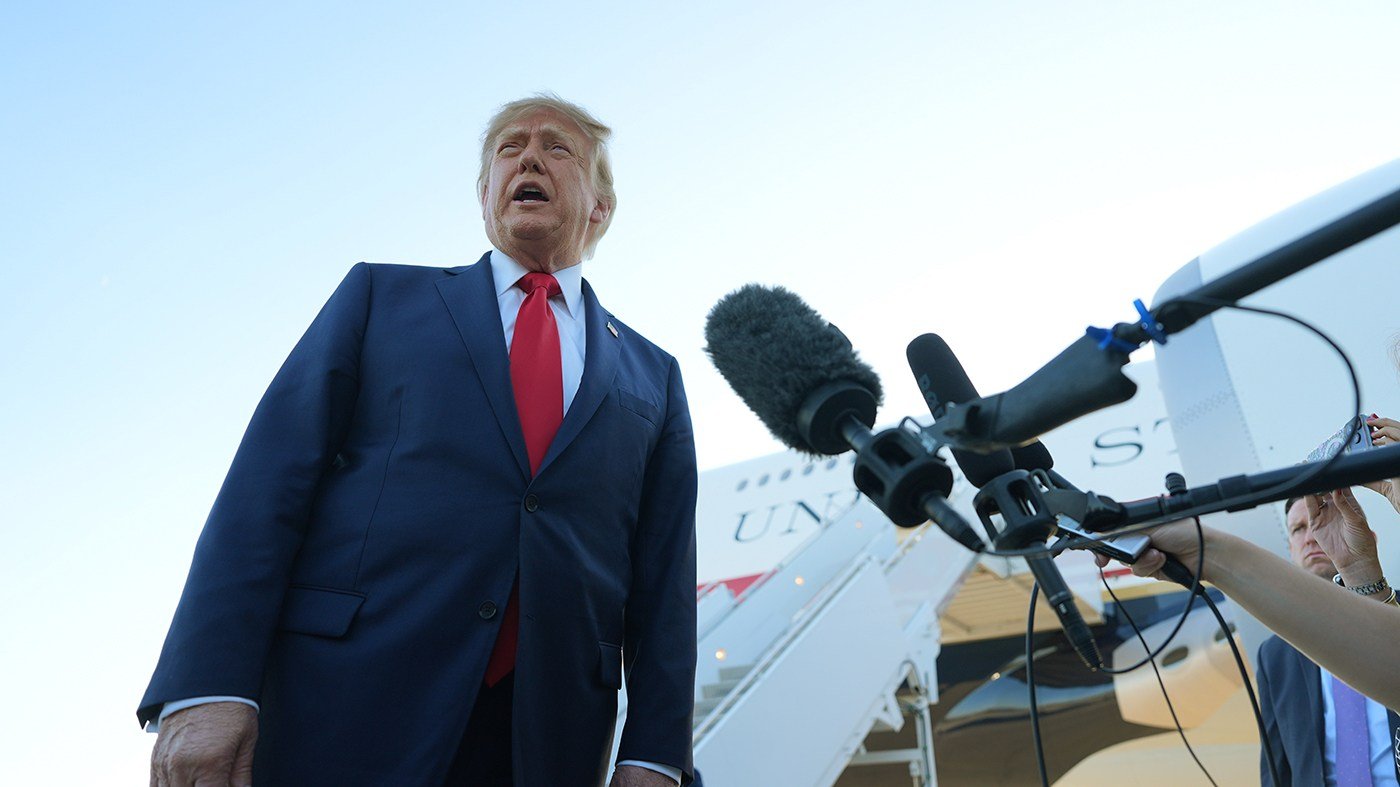
With the midterm elections just weeks away, Republicans are confronting a sobering reality: voters are angry, and simply touting their record in Washington may not be enough to keep the House majority. Party leaders are increasingly urging incumbents to acknowledge the public's frustration—and pin the blame squarely on Democrats.
Vice President Vance delivered that message behind closed doors on Tuesday, telling House Republicans they must be honest about the nation's mood. "Right now we have a country where people are frustrated. You got to level with them," Vance said, according to audio obtained by The Hill. "You got to be honest about those frustrations, and you got to be honest about the ways in which the Democrats caused the problems that you guys have been very diligently fixing over the past 18 months."
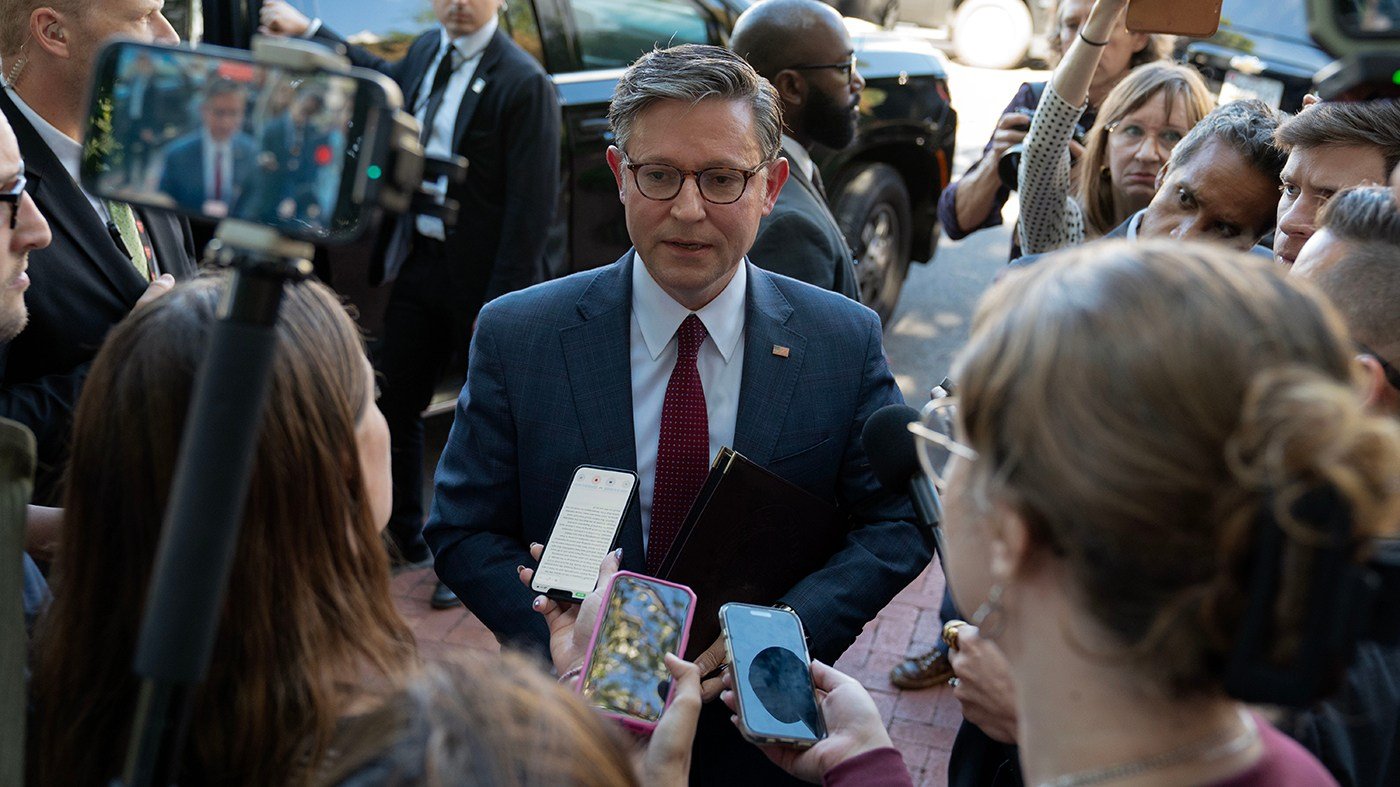
The party's internal anxiety is palpable. Speaker Mike Johnson (R-La.) sent lawmakers home early this week, canceling votes and scrapping the final two weeks of the September session, arguing that the legislative agenda is stalled in the Senate and that members would be better used on the campaign trail. The move underscores the precariousness of the GOP's razor-thin majority, especially with the historical trend of the president's party losing seats in midterms.
Rep. Nancy Mace (R-S.C.), who lost her gubernatorial primary and is leaving Congress, didn't mince words. "This midterm is going to be a f---ing bloodbath," she told reporters Wednesday. "The Senate is at stake. The House is at stake. The future of our country is at stake." Asked if she thinks Republicans will hold the House, she said, "No, I don't." She pointed to the economy: "When rates are up, when the price, the affordability, and the cost of living is up where it is traditionally, the majority goes the other direction in a midterm election."
Recent polling reinforces those fears. An Economist/YouGov survey from late August found only 28% of Americans satisfied with the economy, and Democrats hold a 7-point lead over Republicans on which party handles economic issues better. A New York Times/Siena poll from September found 50% of likely voters trust Democrats more on foreign wars, versus 43% for Republicans.
The war with Iran has become a flashpoint, driving up gas prices and fueling voter anger. The national average for regular unleaded jumped from $4.31 to $4.43 in just four days this week, according to AAA, while diesel prices surged 42 cents in a week. Those costs are hitting families hard and making the GOP's economic message harder to sell.
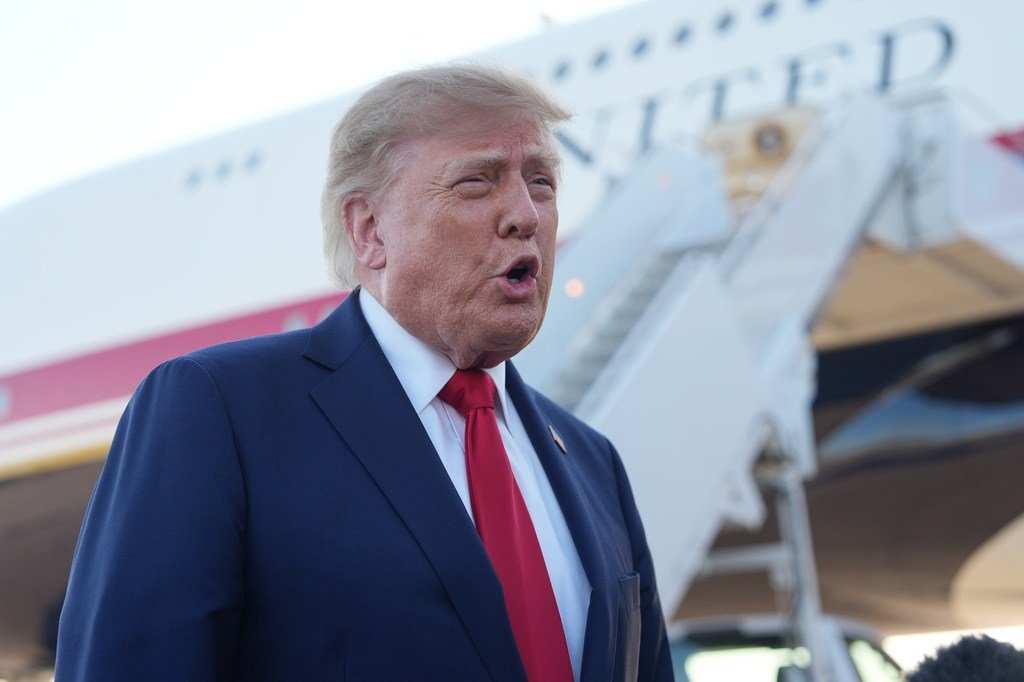
Seven Republicans broke with their party this week to support a war powers resolution limiting President Trump's military actions in Iran—up from four previously. Two of the new "yes" votes, Reps. Zach Nunn and Mariannette Miller-Meeks of Iowa, are in toss-up districts. Miller-Meeks said she won't support an open-ended war, noting "Iowans paying too much at the pump." Nunn cited the deaths of two Iowa service members from an Iranian drone strike in Kuwait.
Rep. Thomas Massie (R-Ky.), who introduced articles of impeachment against Defense Secretary Pete Hegseth, predicted the conflict could cost many GOP incumbents their seats. "Even if it's not the war that they dislike so much, it's the consequences of war, which is the price of diesel and gasoline," he said. "This was Donald Trump's election to lose, and he's doing everything he can to lose it."
Some vulnerable incumbents are already distancing themselves from the president. Rep. Maria Elvira Salazar (R-Fla.) accused Trump of going "too far" on certain policies. The GOP's challenge is clear: acknowledge the pain, but convince voters that Democrats are to blame—and that Republicans can fix it. Whether that message resonates in time remains to be seen, as the party's midterm prospects look increasingly grim.