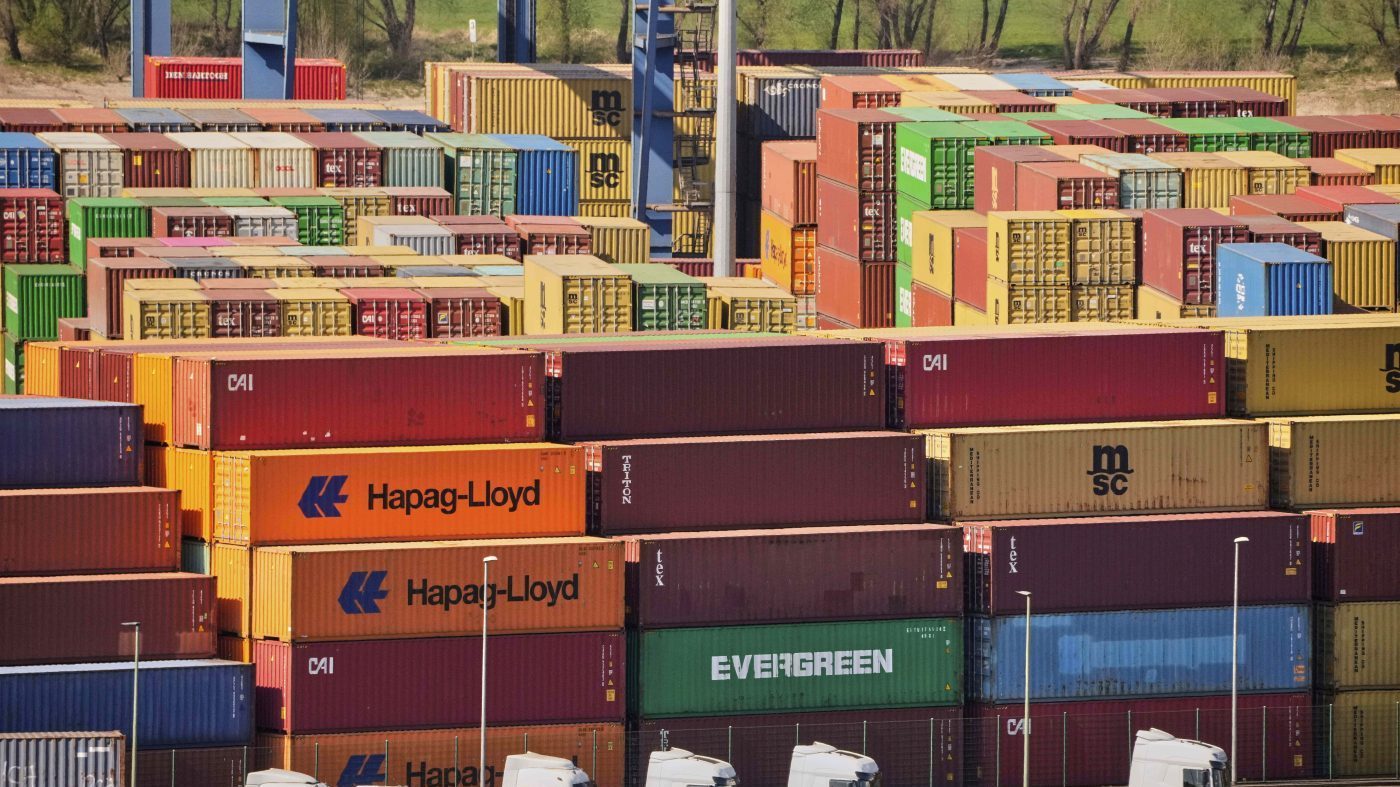
The Trump administration's decision to impose a fresh wave of tariffs on China, the European Union, Japan, India, and other trading partners drew immediate and sharp condemnation from the affected nations, with Beijing warning that such actions benefit no one.
Chinese Foreign Ministry spokesperson Guo Jiakun told reporters Thursday that "tariff wars and trade wars serve no one's interests," responding to the U.S. Trade Representative's announcement that China could face 20 percent import duties. The USTR accused Beijing of engaging in "acts, policies, and practices that relate to structural excess capacity and production, overwhelming the industries and markets of other economies."
Guo dismissed the overcapacity claim as a pretext, saying, "So-called 'industrial overcapacity' does not really exist and should not be used as a pretext for political manipulation." He stressed the need for both nations to honor the "important common understandings between the two presidents" and maintain steady growth in bilateral economic ties.
USTR cites unfair trade practices
U.S. Trade Representative Jamieson Greer announced the new tariffs on Wednesday, arguing that these countries' manufacturing and economic policies have harmed American domestic industries and created an uneven playing field. The USTR specifically pointed to issues such as "inadequate labor protections," "long-standing industrial plans and targeting," "support to state-owned enterprises on non-commercial terms," and "policies to promote production and exports with high volumes of export credit."
EU, India, and Japan push back
The European Commission rejected the U.S. rationale. Olof Gill, deputy chief spokesperson, said in a statement, "We will study the findings. At the same time we strongly reject the premise that Europe is a source of structural overcapacity. To the contrary, Europe is among those most exposed to overcapacity." He added that the EU and U.S. share concerns about global overcapacity, much of it state-driven and concentrated in third countries, but "regret the lack of joint action."
India's Department of Commerce, under the Ministry of Commerce and Industry, also refuted the overcapacity allegation. In a post on X, the department noted that India and the U.S. are engaged in negotiations for a Bilateral Trade Agreement and that "any trade-related concerns should be addressed within the framework of these negotiations."
Japan's Chief Cabinet Secretary Minoru Kihara called the U.S. move "regrettable" and denied the allegations, according to The Associated Press.
Economic and political fallout
The new tariffs threaten to further strain an already fragile U.S. economy. Rising consumer prices linked to the conflict in Iran and the ongoing tariff dispute with Canada contributed to significant Democratic gains in both chambers of Congress in the midterm elections earlier this month. The latest trade actions could add to those pressures, potentially reshaping the political landscape ahead of the next election cycle.
The administration's aggressive trade posture comes amid broader tensions with key allies and rivals alike, raising concerns about a global trade war just as the world economy shows signs of recovery. Analysts warn that retaliation from affected countries could escalate, hitting American exporters and consumers.