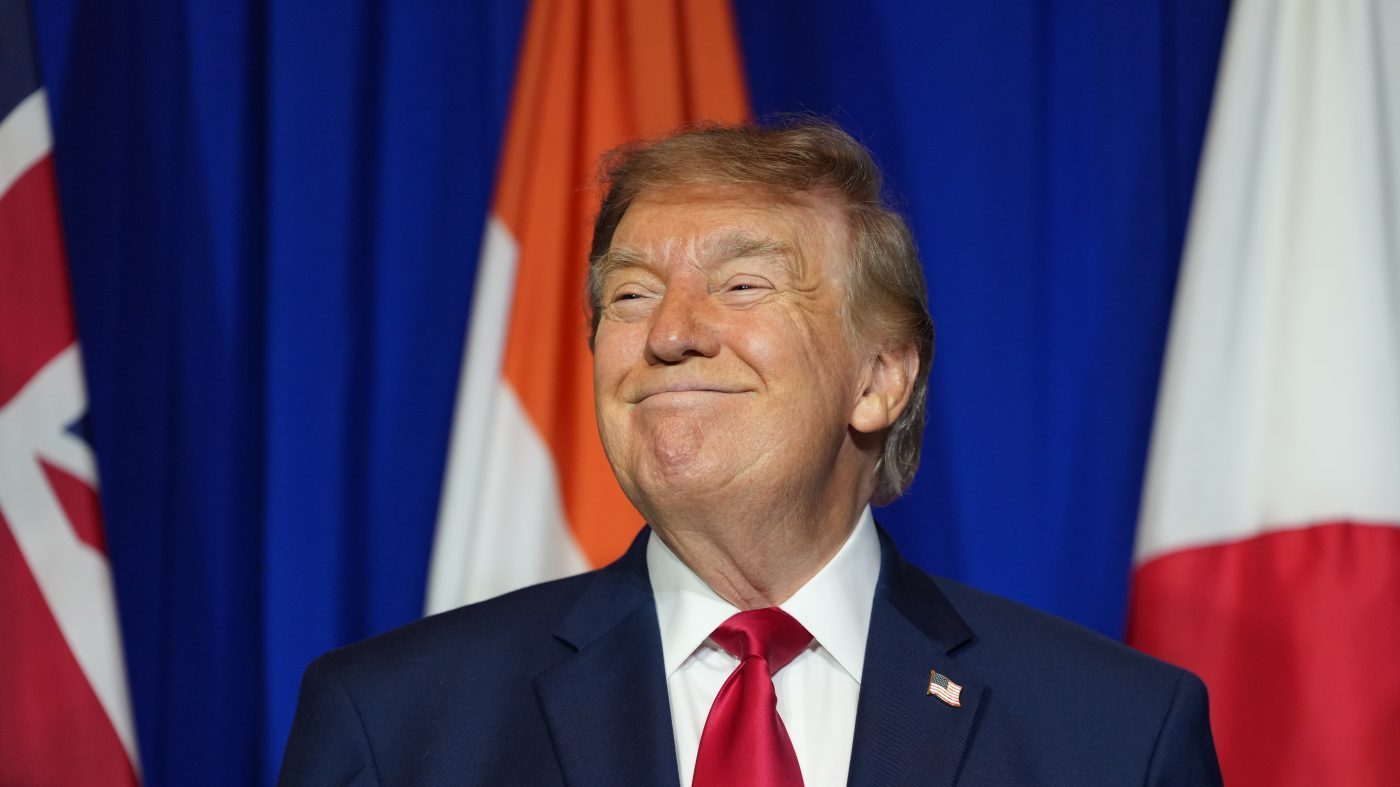
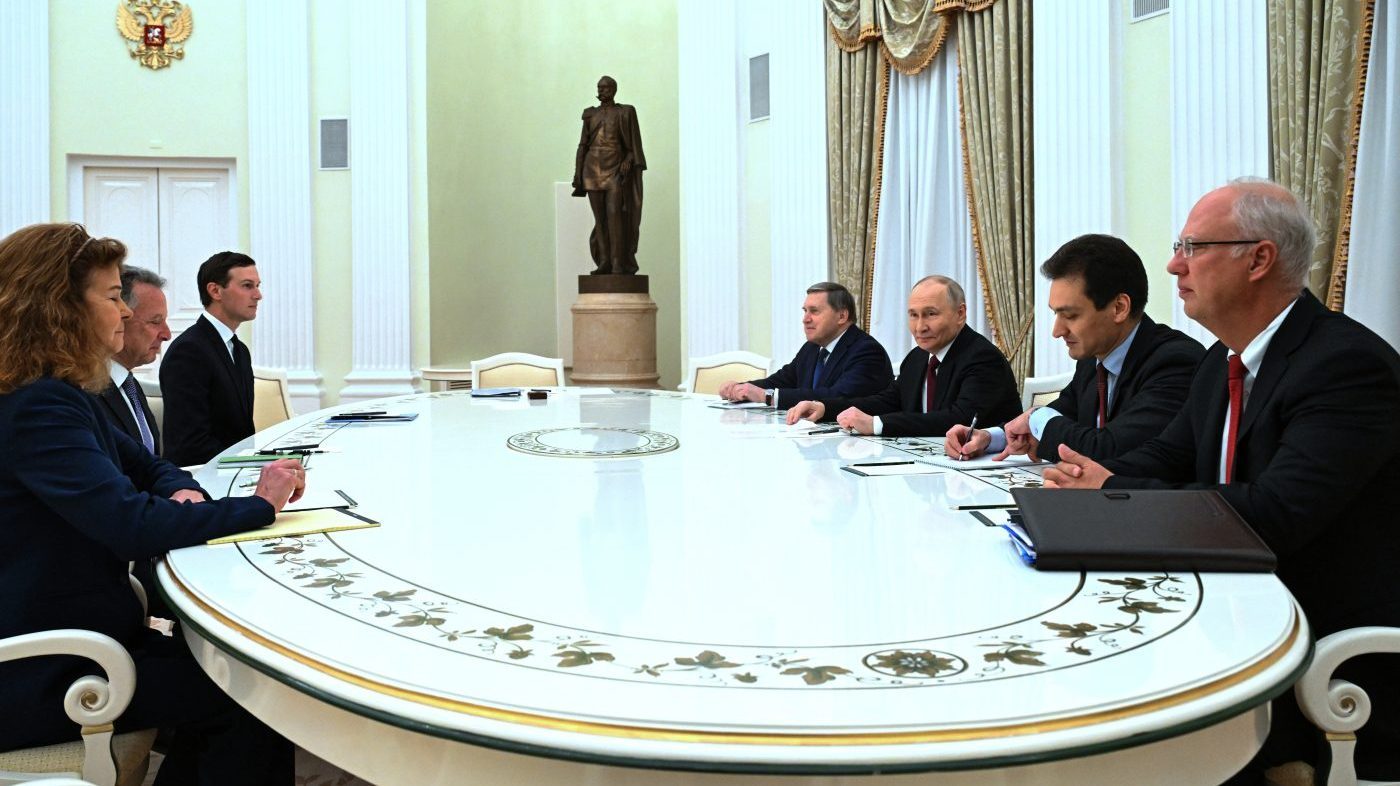
The Quad summit held in Manila this week was overshadowed by President Trump's subsequent trip to Shenzhen, where he met with Chinese and Russian leaders as equals. That trilateral meeting signaled a new era of great-power management, leaving the Quad—comprising the U.S., India, Japan, and Australia—struggling to maintain its strategic relevance.
The Manila gathering, squeezed into Trump's 21-hour stopover, produced a joint statement largely recycling previous commitments. Most initiatives, from an AI accelerator to a critical minerals framework, had already been announced at the foreign ministers' level. The only new items were a business leaders' forum set for Mumbai next year and a coordinated maritime patrol exercise scheduled for 2027.
More telling was the absence of specific references to the South China Sea, East China Sea, or Taiwan Strait—a sharp departure from earlier summit statements that explicitly condemned unilateral coercion in those areas. The diluted language reflected Washington's current approach of selectively accommodating Beijing.
This strategic drift is evident in official U.S. documents. The White House's National Security Strategy mentions the Quad only once, in passing, and the Pentagon has dropped the prefix "Indo" from its regional terminology. India's role in U.S. policy is being downgraded as Trump flirts with a G2 arrangement with China.
The Quad was originally designed to bring India into a broader strategic coalition. With India's salience waning, the grouping lacks a clear purpose beyond its symbolic value. It has no independent institutions and depends heavily on U.S. commitment.
Analysts note that alliances can persist long after losing their original rationale. The Manila summit, arranged at Trump's convenience and confirmed at the last minute, appeared more about checking a diplomatic box than advancing a strategic vision. The real message was delivered in Shenzhen, where Trump engaged directly with Xi and Putin.
The Quad's future now hinges on whether Washington reverses its drift. But with Trump's focus on bilateral deals and personal diplomacy, the grouping risks becoming a showpiece—meeting, issuing statements, but no longer shaping the Indo-Pacific balance of power. As one expert put it, the Quad's greatest challenge is no longer Beijing but Washington's own strategic ambivalence.