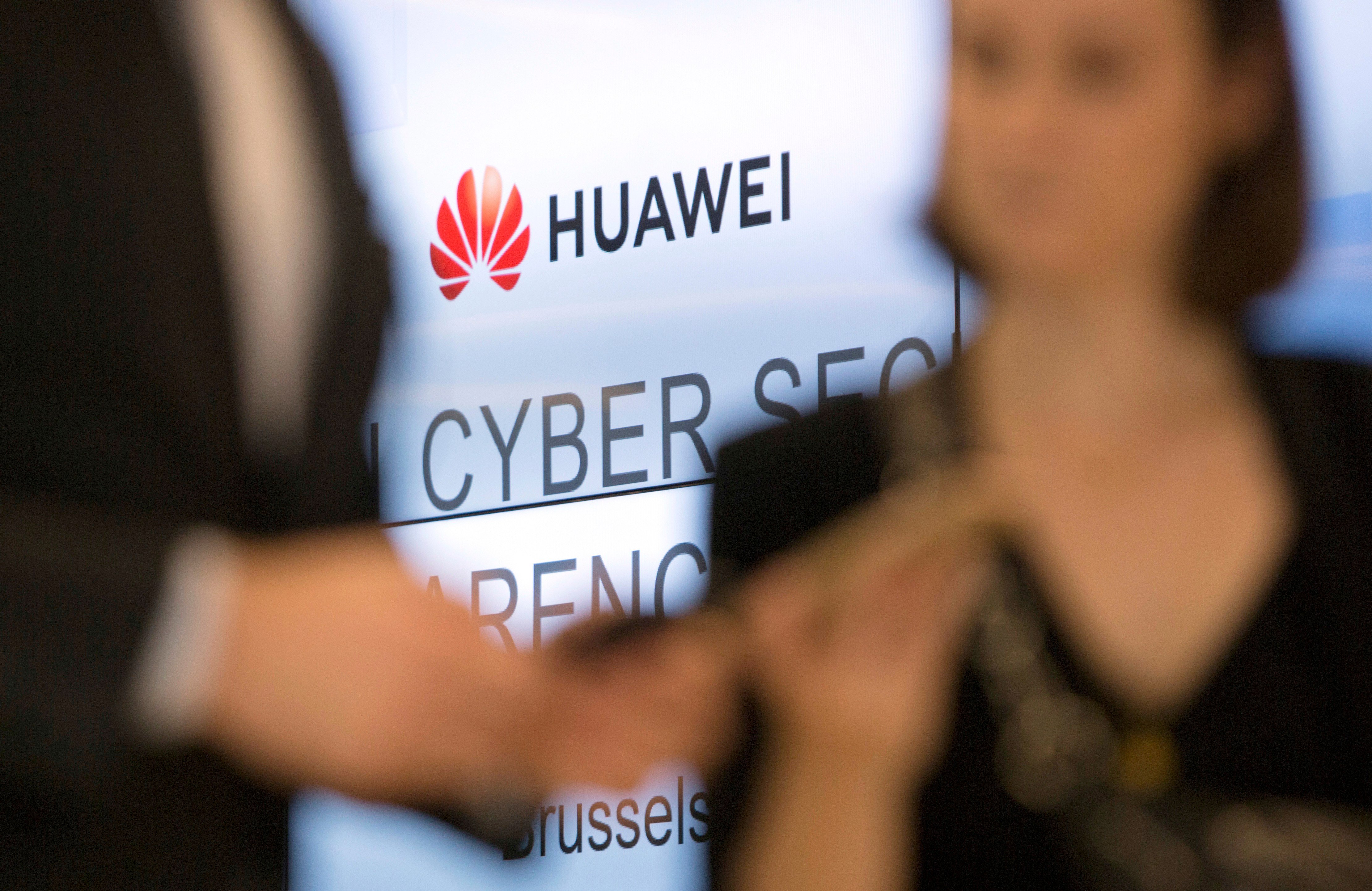
A federal jury in Brooklyn has convicted Chinese telecommunications giant Huawei Technologies and three subsidiaries on charges that they violated U.S. sanctions on Iran, stole American trade secrets, and laundered money. The verdict, delivered in the Eastern District of New York, marks a significant legal defeat for the company, which has long denied wrongdoing.
Attorney General Todd Blanche hailed the outcome, stating, “No person or company is above the law.” He added, “For decades, Huawei and three of its subsidiaries conducted their business in the United States on the basis of lies and theft. Thanks to the work of the FBI and our federal prosecutors, those who engaged in these criminal activities will be held accountable.”
The Justice Department alleged that Huawei provided “turnkey services” to Iran, including building an internet backbone and expanding mobile network accessibility, and supplied surveillance cameras used by the Iranian regime to monitor protests. The company operated under the name “Skycom” in Iran and misled banks, journalists, and U.S. officials about its activities, according to prosecutors.
Additionally, authorities said Huawei engaged in a “long-running conspiracy” to steal intellectual property from American companies, including trade secrets and copyrighted works. The jury convicted Huawei on 10 of 12 counts, with acquittals on two charges: racketeering conspiracy and conspiracy to obstruct justice.
Sentencing is scheduled for September, and the company faces financial penalties, including criminal fines, forfeiture, and restitution. The case is part of a broader federal crackdown on corporate misconduct, with Attorney General Blanche expanding efforts against online fraud.
U.S. Attorney Joseph Nocella Jr. for the Eastern District of New York said, “Few crimes are as serious as Huawei’s decades-long pattern of endangering U.S. national security, violating the sanctity of U.S. commerce, and impeding the enforcement of U.S. laws.”
Huawei’s lawyer, Brian Heberlig, said the company would appeal the convictions but expressed satisfaction with the not-guilty verdicts on the two counts. “The allegations that the government made in this case overreached and simply weren’t consistent with the successful, innovative and hardworking company that we came to know and deeply respect,” Heberlig said.
The conviction comes amid heightened tensions between Washington and Beijing over technology and security issues. The case is one of several legal battles involving Chinese firms, and it underscores the federal government’s commitment to enforcing sanctions and protecting intellectual property, even as federal tech failures raise questions about oversight. The verdict could have broader implications for U.S.-China relations, especially as the Trump administration has taken a hard line on Chinese tech companies, and diplomatic meetings with foreign leaders continue to shape policy.