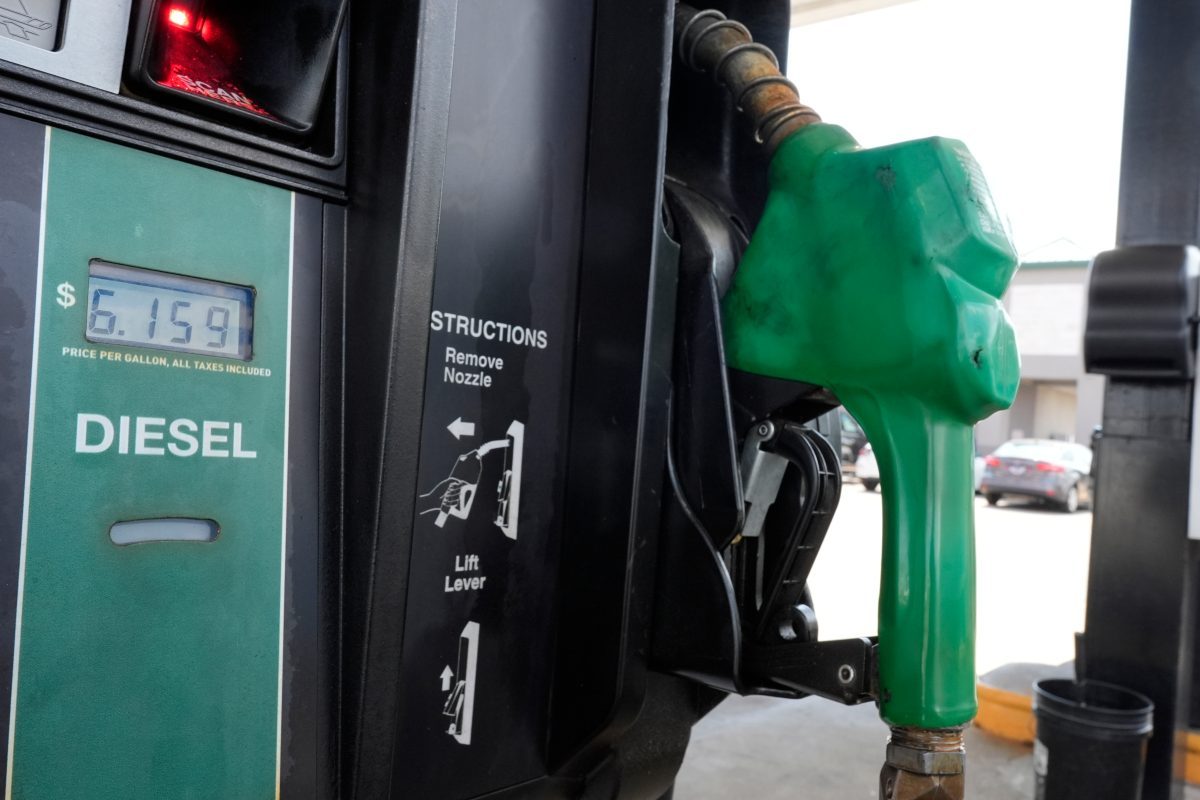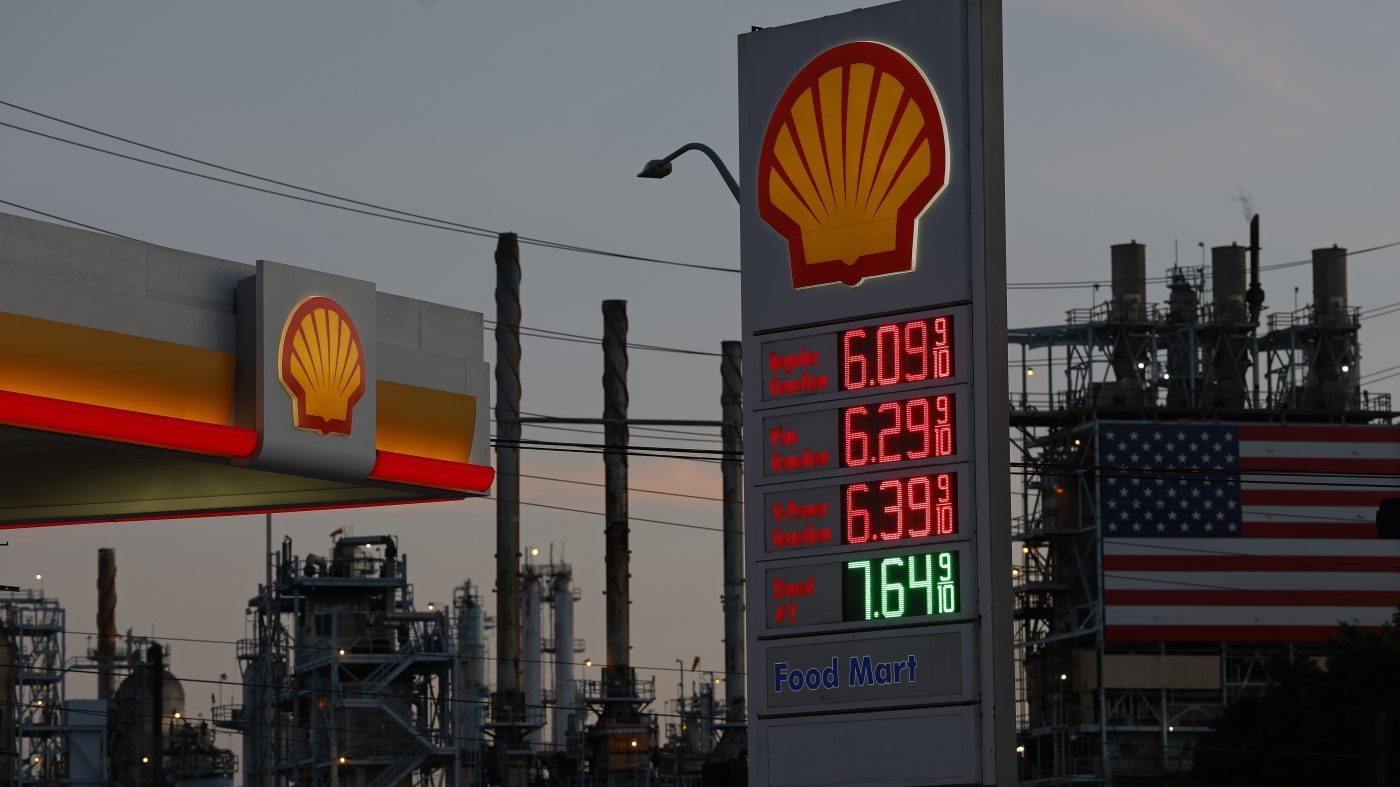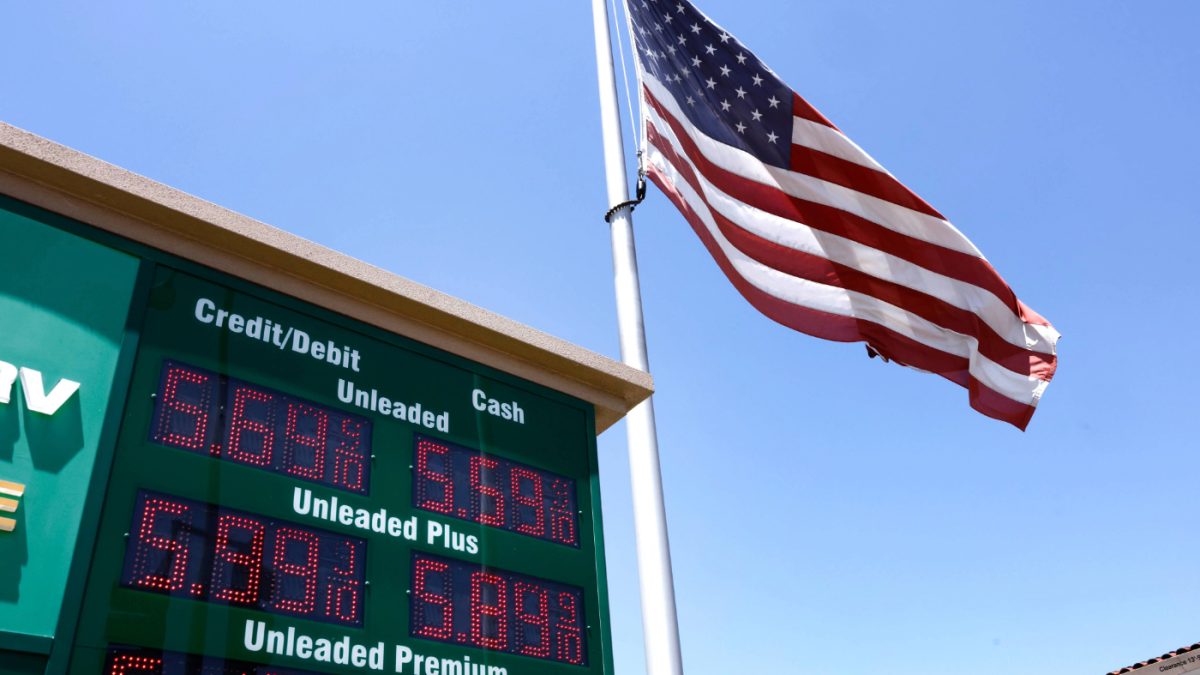
For the first time in over three months, the national average price for a gallon of regular gasoline has slipped below the $4 threshold, offering some relief to American drivers. The decline follows a diplomatic breakthrough between the United States and Iran that reopened the Strait of Hormuz, a critical chokepoint for global oil shipments.
According to AAA data released Thursday, the average price per gallon now sits at $3.98, down from a peak of over $5 earlier this spring. In 28 states, prices are already below $4, with New Mexico and New Jersey hovering just three cents above that benchmark. Even California, which saw prices top $6 a gallon at one point, has seen a significant retreat to $5.642.
Hormuz Deal Provides Temporary Relief
The price drop comes after the Biden administration secured an agreement with Tehran to keep the Strait of Hormuz open, a move that has helped stabilize global oil markets. As our analysis of the Hormuz deal shows, the pact has eased supply fears but pre-war price levels remain a distant memory. Energy analysts caution that the agreement is fragile and could unravel if either side accuses the other of violations.
“We’re seeing a welcome trend, but it’s built on a political arrangement that could shift overnight,” said one industry expert. “The market is pricing in a continued calm in the Gulf, but any disruption—whether from Iran or from a Gulf hurricane—could send prices right back up.”
Summer Driving Season and Hurricane Threats
The typical summer driving season usually boosts demand and prices, but this year the opposite is happening. Refineries are running at high capacity, and domestic oil production has ticked up slightly. Yet the biggest wildcard remains Mother Nature. The Atlantic hurricane season, which runs through November, has already spawned several named storms, and a direct hit on Gulf Coast refining infrastructure could quickly reverse the downward price trend.
“If a major hurricane barrels into Texas or Louisiana, you could see prices spike by 20 to 30 cents overnight,” warned a senior energy analyst. “We’re not out of the woods yet.”
Political Implications
The gas price reprieve comes at a politically sensitive time. With inflation running at 4.2% in May, as our breakdown of the May inflation surge details, high energy costs have been a key driver of consumer angst. Former President Donald Trump recently stirred controversy by saying he “loves inflation,” a remark that drew sharp criticism as prices climbed.
On Capitol Hill, Energy Secretary Wright faced tough questions from House lawmakers about the administration’s budget and its handling of Iran tensions, which had previously spiked oil prices. The White House has defended the Hormuz deal as a necessary step to avoid a broader conflict, but Republicans argue it rewards Iranian aggression.
For now, drivers are enjoying a brief respite at the pump. But with hurricane season still ahead and the Iran agreement hanging by a thread, the outlook for gas prices remains anything but certain.