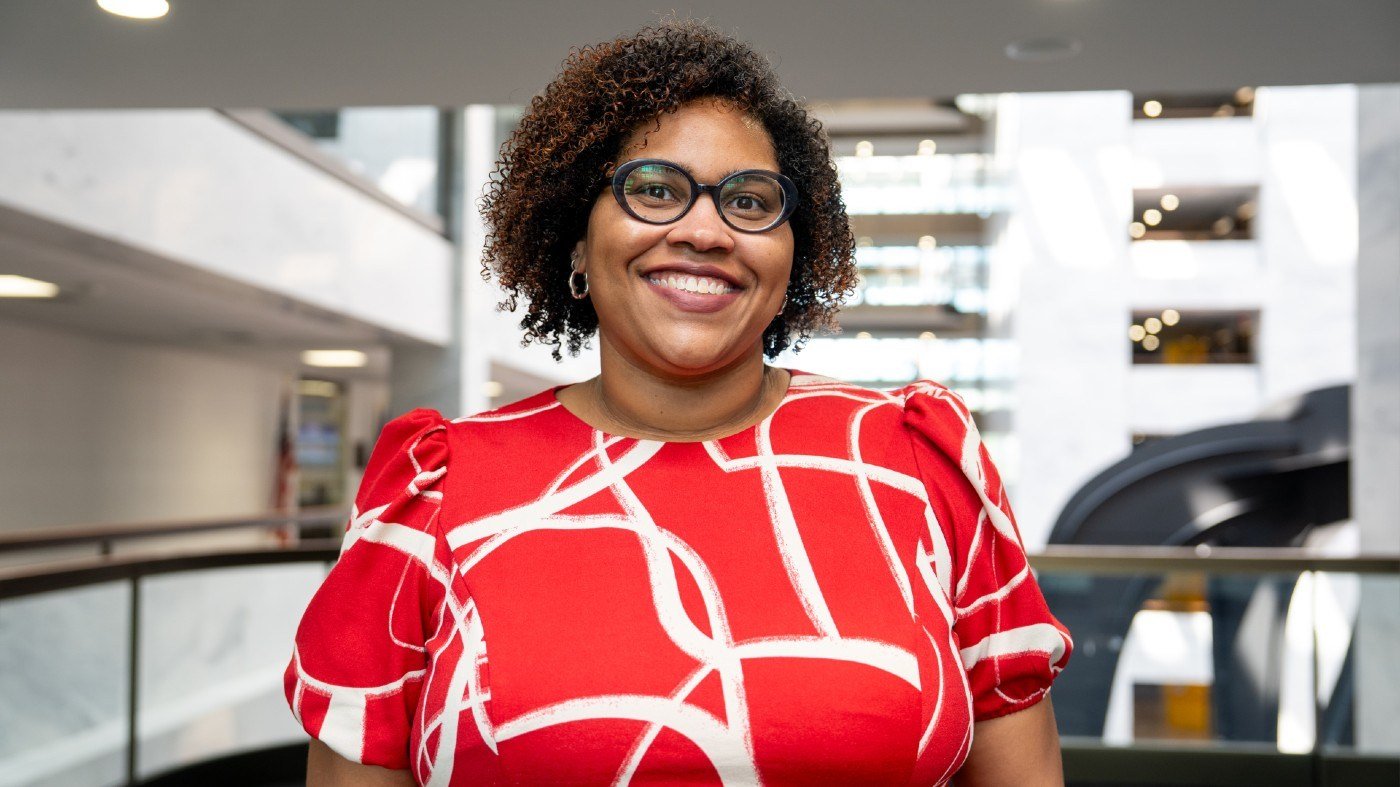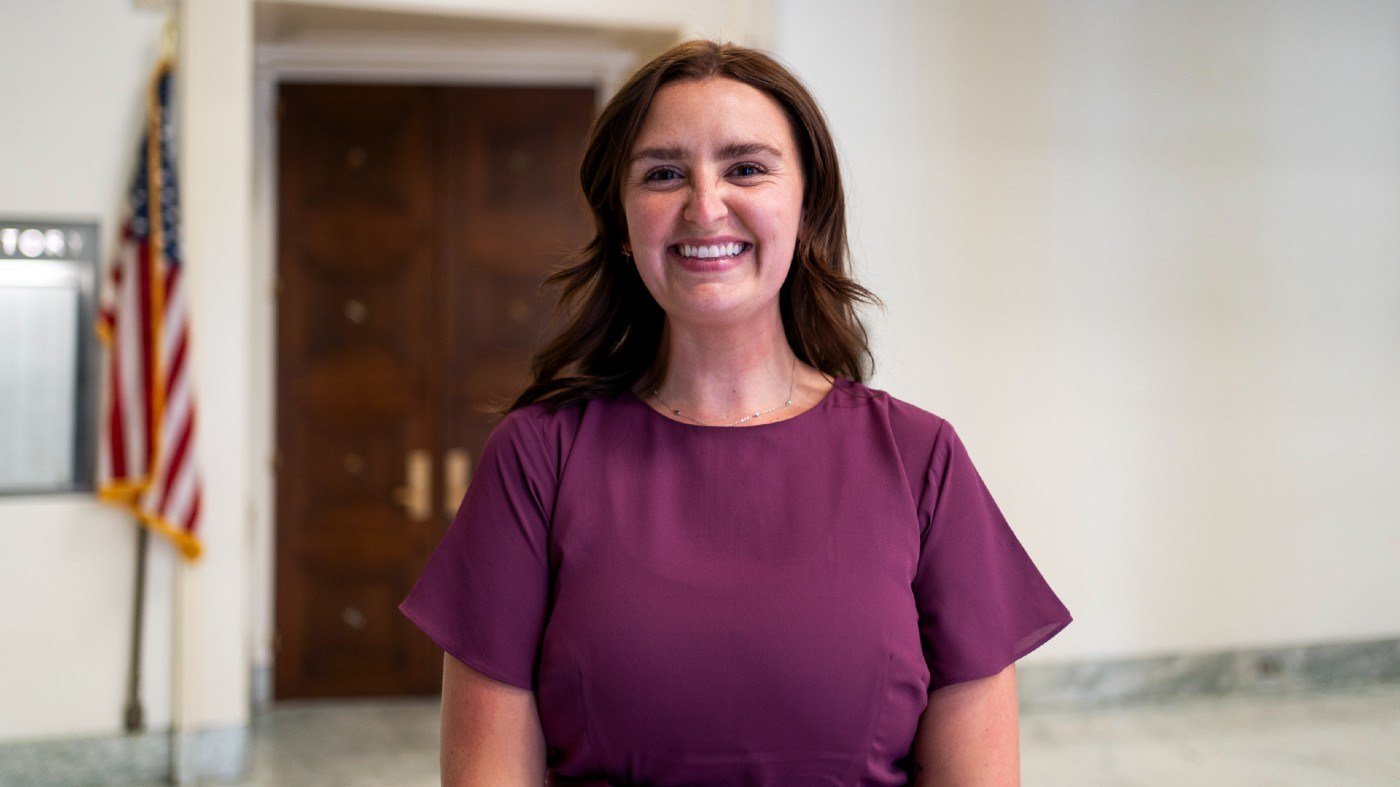
Julia Bartusek never imagined she'd end up in Washington. Raised on a pig farm in Minnesota, she now serves as the executive director of the House Democratic Women's Caucus, one of the most influential coalitions among House Democrats. Her journey from rural Midwest to Capitol Hill is a testament to her unexpected path into politics.
Bartusek's interest in women's issues was sparked early. "When you learn about the gender pay gap for the first time, you're like, 'What the heck is going on?'" she recalled. That curiosity led her to join the caucus three years ago as its first policy director, eventually rising to executive director, where she oversees strategy, staff, and member relations.
Under her leadership, the caucus has seen remarkable growth—not just in membership but in its public footprint. Its Instagram following skyrocketed from roughly 3,000 to nearly 85,000, reflecting a broader surge in engagement. But Bartusek's portfolio extends far beyond traditional women's issues. The caucus has waded into debates over WNBA labor negotiations, immigration enforcement, and the treatment of women in ICE detention, as well as efforts to support survivors of convicted sex offender Jeffrey Epstein.
One of the most memorable moments came during President Trump's State of the Union address in February, when Bartusek helped escort Epstein survivors to their seats. Democrats used the occasion to keep their stories in the spotlight. "I feel fortunate that they've trusted us with their stories," she said.
The work can be emotionally taxing. Bartusek has been a key player in bipartisan negotiations over sexual misconduct reform on Capitol Hill—a cause that hits close to home. "The hardest part of this job is just how real the issues are," she explained. "A lot of Hill staff sometimes don't get to acknowledge the actual human emotional toll that working on some of these issues can have."
Looking ahead, Bartusek is preparing for a potential Democratic return to the House majority. She expects the caucus to aggressively push on reproductive health—abortion access, contraception, and in vitro fertilization—while continuing its focus on economic costs, healthcare, and women's safety. "They don't feel represented by the current government," she said of voters. "They feel like their vote is at risk and they feel like their lives are at risk. And so we'll always show up and respond to that, whether they're in a red district or a blue district."
Bartusek's rise mirrors a broader trend of staffers gaining influence in shaping policy. Her work on issues like Epstein and sexual misconduct has drawn attention, as seen in the Epstein probe strategy and bipartisan ethics efforts. She also joins a cadre of Democratic aides preparing for a Trump fight, such as Rubi Flores at the Congressional Hispanic Caucus.
As the political landscape shifts, Bartusek remains focused on ensuring the caucus stays relevant and responsive. Her background on a pig farm may be a world away from Washington, but it grounds her in the realities that many Americans face—and fuels her determination to make government work for them.