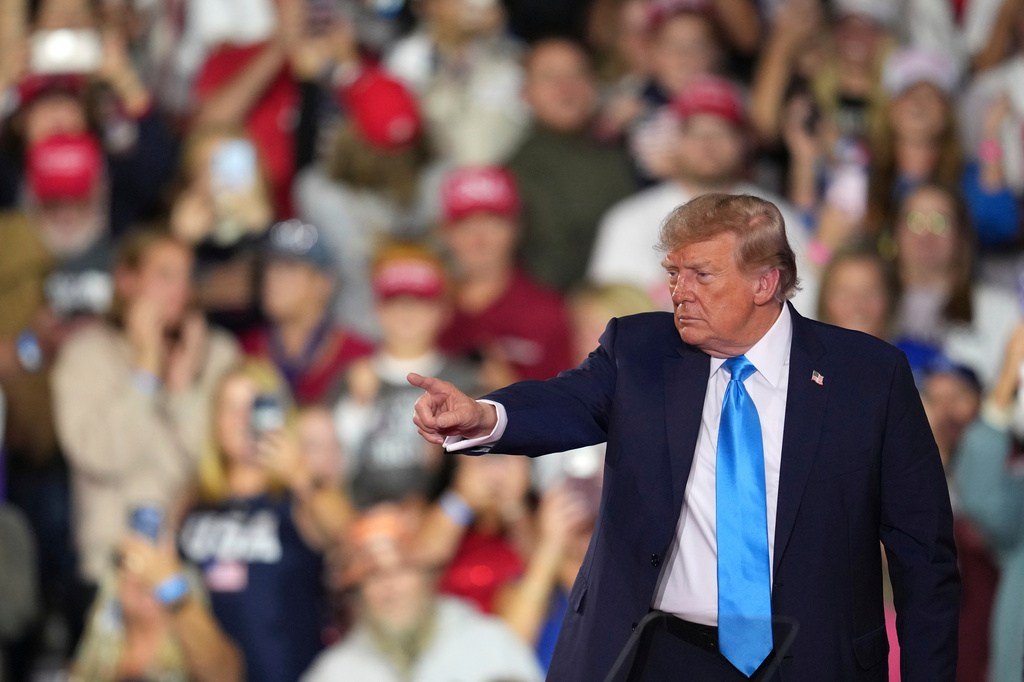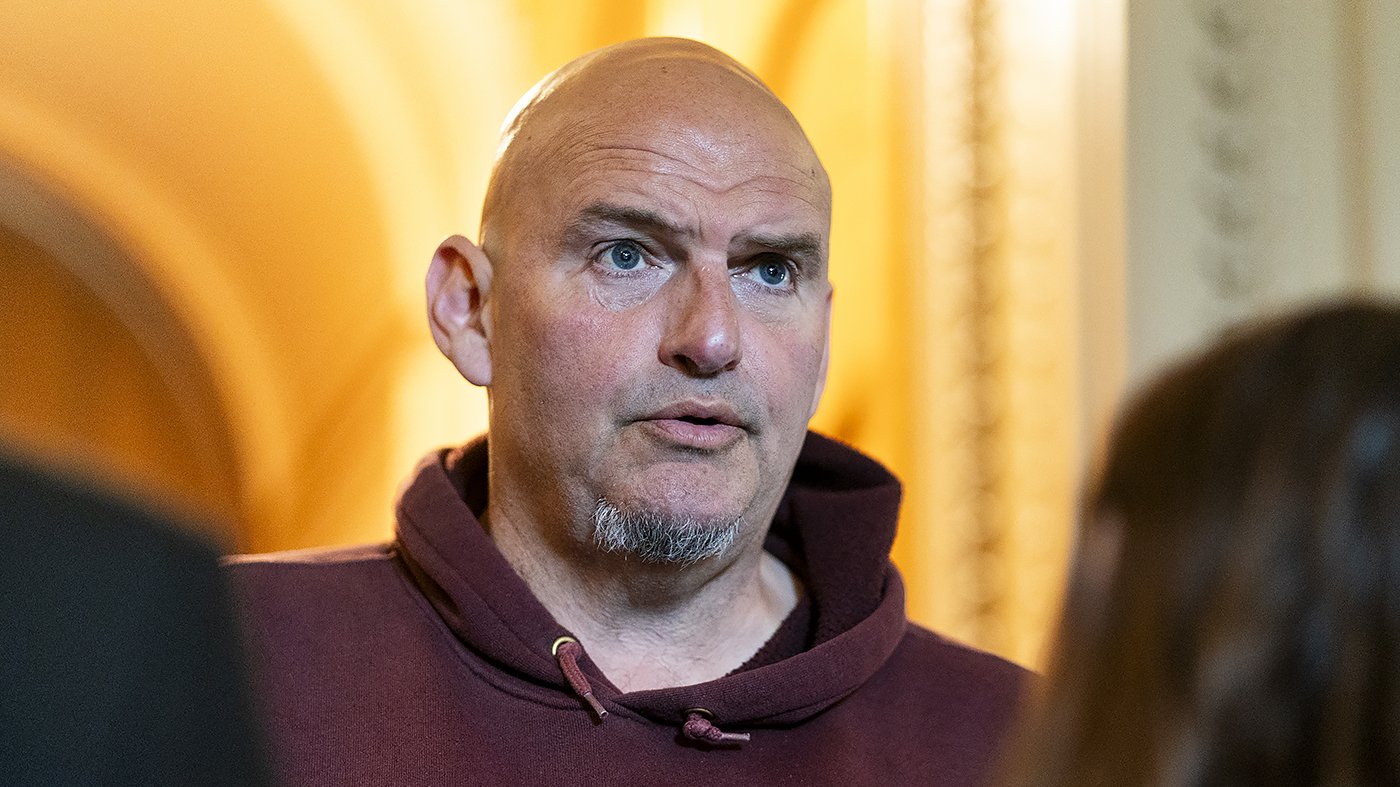
Sen. John Fetterman (D-Pa.) was once the party's hope for winning back working-class voters. Now, his frequent appearances on Fox News and sharp critiques of fellow Democrats are testing that goodwill. During a Wednesday interview with Sean Hannity, Fetterman defended President Trump's comments about not focusing on Americans' financial situations during Iran negotiations, arguing the remarks were taken out of context. He said Trump was actually emphasizing the importance of preventing Iran from building a nuclear weapon.
This is just the latest instance of Fetterman breaking with his party. He recently accused the Democratic base of becoming “increasingly anti-American” and was the only Senate Democrat to vote against legislation aimed at stopping U.S. involvement in Iran. The move drew sharp criticism from Democratic strategists, with Adam Parkhomenko calling him a “sellout and a fraud” and vowing to work for his retirement in 2026.
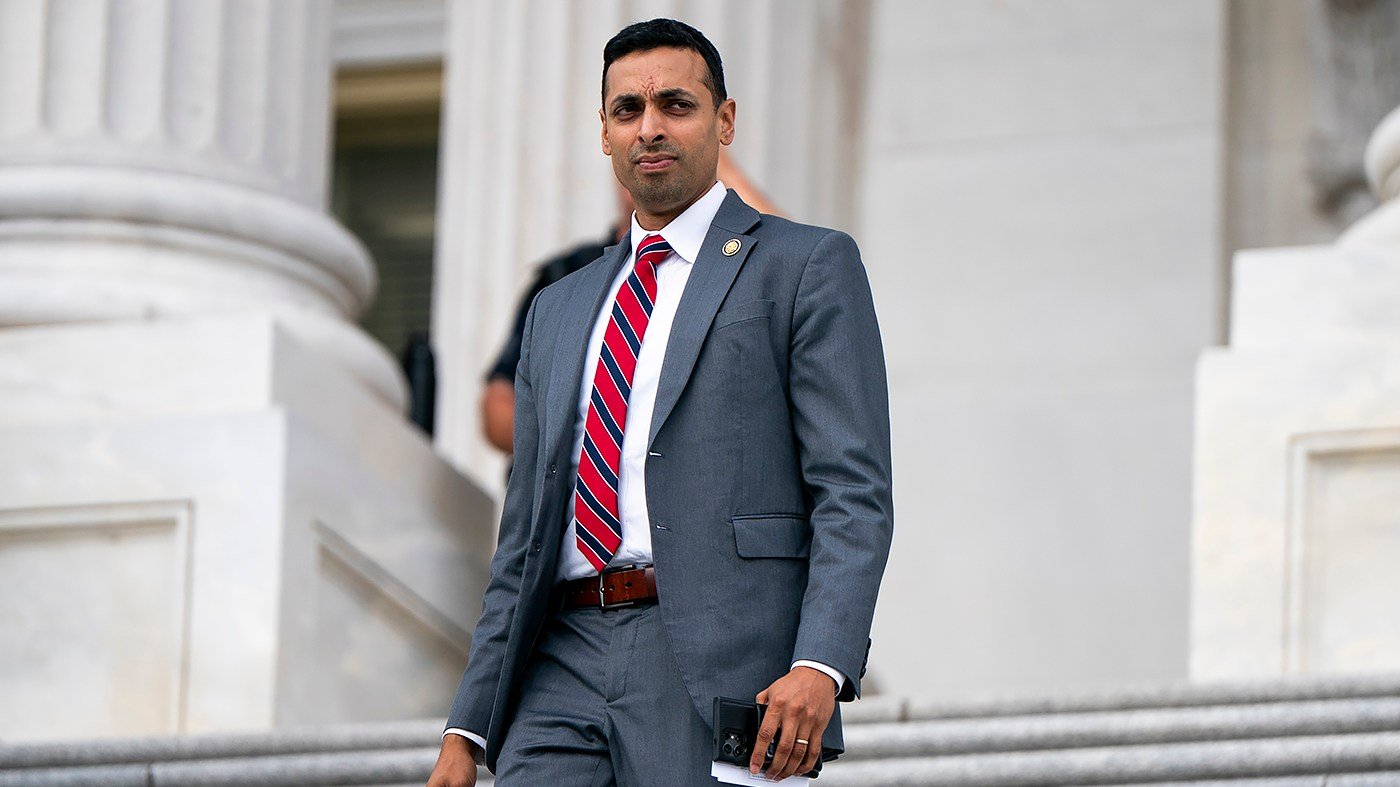
Fetterman's shift has drawn comparisons to former Sen. Joe Manchin (D-W.Va.), who often frustrated his party by siding with Republicans. But strategist Eddie Vale noted a key difference: Manchin represented a deep-red state, while Fetterman holds a Pennsylvania seat that Democrats need to hold to regain the Senate majority. “If you are holding down a state like West Virginia or Montana, people will give you a lot more leeway,” Vale said. “But not in Pennsylvania.”
Fetterman has defended himself in a Washington Post op-ed, insisting his values haven't changed. He pointed to his votes on affordability, healthcare, and women's reproductive rights, as well as his support for SNAP and labor issues. He remains pro-choice, pro-LGBTQ, and pro-weed. Yet his public comments on Fox News and social media have created a disconnect that some Democrats find difficult to ignore.
Internally, Fetterman's relationship with his Senate colleagues is described as “cordial” but distant. He rarely attends Democratic caucus lunches, and his trademark hoodie and shorts violate the chamber's dress code, keeping him off the floor during votes. One Democratic senator, speaking anonymously, said, “I don't think about John Fetterman.” An aide added that most senators are more focused on what colleagues say in caucus meetings than on social media.
Despite the friction, Democrats can't afford to alienate Fetterman. The GOP holds a 53-47 Senate majority, and Democrats need to gain four seats this fall to flip the chamber. A 50-50 tie would allow Vice President Vance to break it. Fetterman's vote remains crucial, even as his media presence rankles party loyalists.
Some aides argue Fetterman's impact on the party's brand is minimal. “Is he hurting the party? I don't think so,” one source said. “Democrats have a brand problem. I don't think he's moving the needle much on it.” Still, with the 2026 midterms approaching, Fetterman's loyalty will be tested as he continues to navigate a delicate balance between his populist instincts and party expectations.
For context, recent developments like Rubio's comments on Iran's leverage and Democratic pressure on Trump over Russian oil sanctions highlight the broader foreign policy debates that Fetterman is wading into. Meanwhile, Trump's stance on Taiwan shows the administration's shifting priorities.