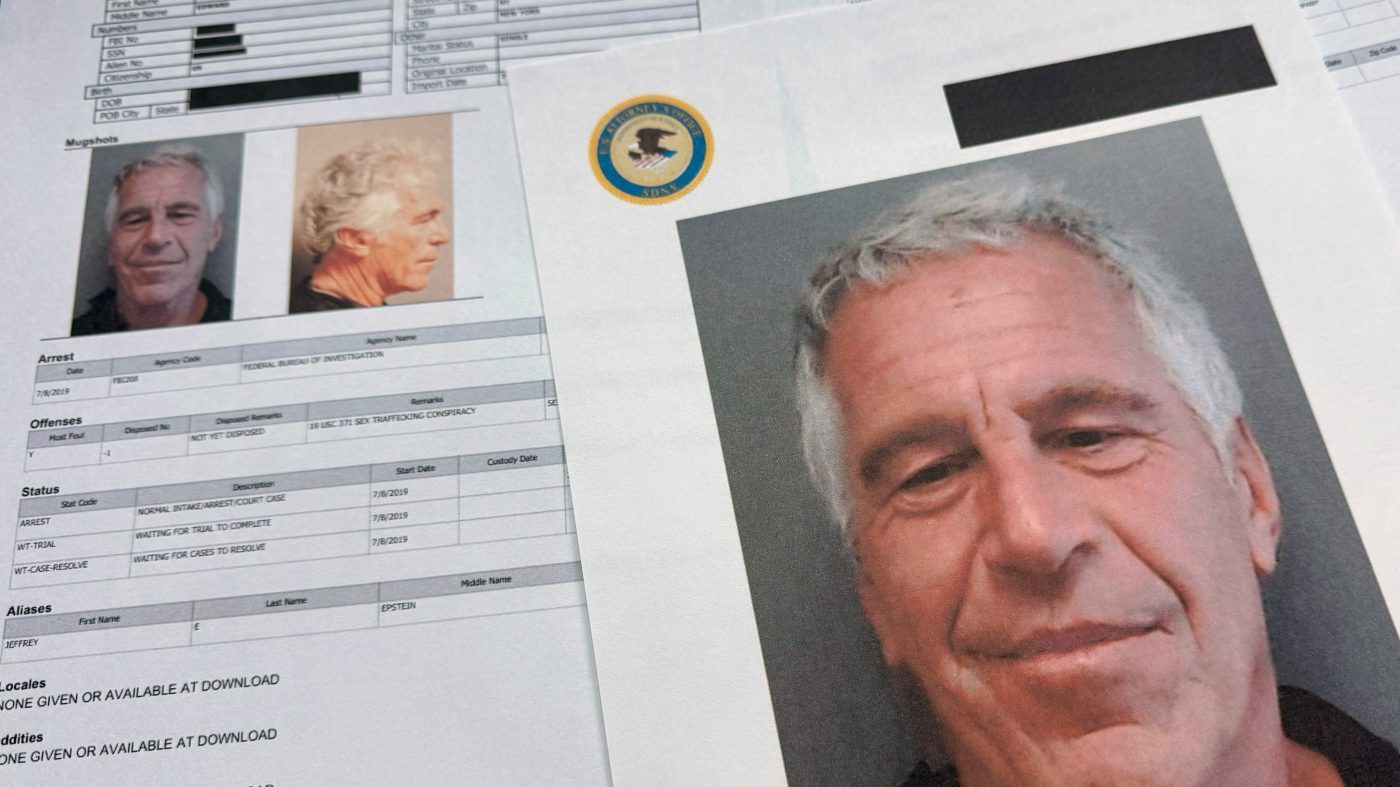
A federal judge in Washington, D.C., on Thursday directed the Justice Department to produce unredacted versions of sought-after Epstein case documents, ruling in favor of attorney and independent journalist Katie Phang. The preliminary injunction compels the DOJ to strip redactions from critical records, including at least eight email exchanges with Jeffrey Epstein discussing a 'torture video' and sexual activity with young women, as well as interviews with a woman who claims she was abused by then-private citizen Donald Trump as a minor.
U.S. District Judge Emmet Sullivan rejected the Justice Department's arguments against disclosure, writing that Phang had demonstrated concrete harm from the withheld information. 'The Attorney General’s arguments are unpersuasive. First, Ms. Phang has identified some concrete consequences of not receiving the information,' Sullivan stated. 'She has identified half a dozen stories she is currently unable to report because the Attorney General has not disclosed the information.'

The judge also dismissed the notion that Phang could have simply used the Freedom of Information Act to obtain the documents. He noted that the department itself had acknowledged the Epstein Files Transparency Act 'directed a much broader and less redacted release of the files than would have been made under the FOIA.' Certain exemptions that might have been applied under FOIA were not made in the Epstein Act release, Sullivan pointed out.
The ruling represents a significant legal win for transparency advocates and comes amid broader scrutiny of how the federal government handles high-profile cases. The DOJ must now either produce the unredacted documents or show cause why they cannot comply. This case echoes criticism from lawmakers who have questioned the Justice Department's prioritization of resources in politically sensitive investigations.
Phang's lawsuit, brought under the Administrative Procedures Act, argues that the department's failure to release the documents violates statutory requirements. The Epstein files have been a flashpoint for political controversy, with allegations of connections to powerful figures fueling demands for full disclosure. The judge's order specifically targets redactions that conceal communications about Epstein's criminal network and potential interactions with public officials.
The case also intersects with other legal battles over government transparency. In a separate ruling, a federal judge blocked efforts to create a national voter database, citing similar concerns about executive overreach. Sullivan's decision underscores a judicial willingness to enforce disclosure requirements even when the executive branch resists.
Legal experts say the ruling could set a precedent for how courts handle challenges under the Epstein Files Transparency Act, which Congress passed to ensure broader access than traditional FOIA requests. The DOJ has not yet indicated whether it will appeal the preliminary injunction. Phang's legal team hailed the decision as a victory for press freedom and the public's right to know about Epstein's criminal enterprise and its enablers.
The unredacted documents are expected to shed light on Epstein's interactions with influential individuals and the extent of his abuse network. The woman who alleges abuse by Trump as a minor has not been publicly named, but her testimony could reignite debate over past allegations against the former president. The DOJ has 30 days to comply with the order or provide a justification for non-compliance.