A federal judge dealt another blow to the Trump administration's efforts to reshape election administration, issuing an order Thursday that blocks the president's March executive action aimed at creating a centralized federal voter database. This marks the fourth time a court has halted the controversial directive.
District Court Judge Indira Talwani, an Obama appointee, ruled in favor of a coalition of 22 Democratic-led states, the District of Columbia, and Pennsylvania Governor Josh Shapiro, who had challenged the order. In her decision, Talwani underscored that the Constitution leaves election management to the states, not the White House.
“The President ‘plays no direct role in the process’ of appointing electors, ‘nor does he have authority to control the state officials who do,’” Talwani wrote, echoing language from previous rulings. She also found that efforts to purge citizens from voter rolls under the order violated constitutional protections.
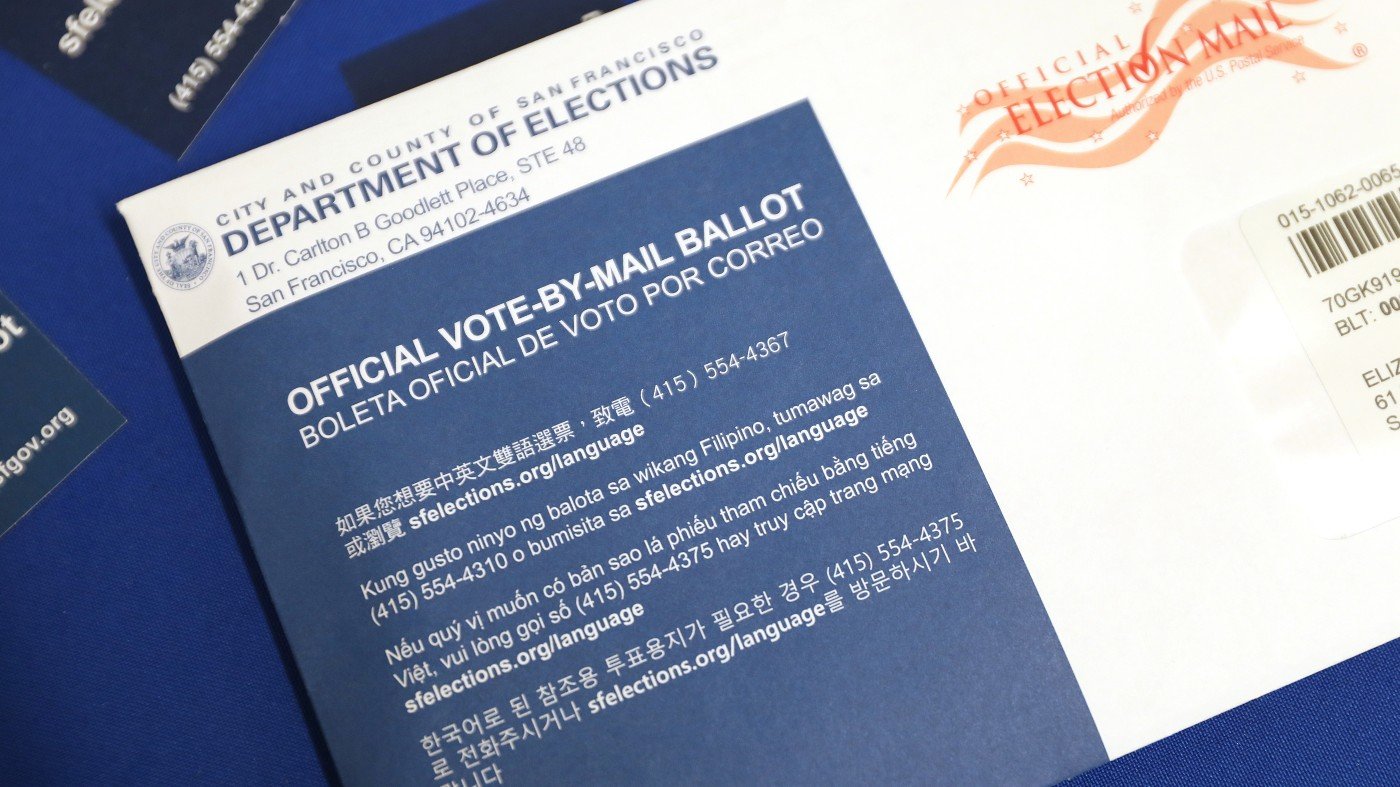
The executive order had directed the U.S. Postal Service to deliver mail-in ballots only to individuals listed on each state's voter roll of federally approved citizens, based on available citizenship data. It also tasked postal officials with distributing ballots with individualized barcodes for tracking. Critics argued this would create a de facto federal voter ID system and disenfranchise eligible voters.
This judicial setback comes as the administration has pushed for stricter voting rules, including a voter ID bill that has stalled in Congress. House hardliners recently blocked floor action to force a Senate vote on that measure, highlighting internal GOP divisions over election policy.
The ruling also follows a pattern of courts rejecting Trump's attempts to bypass state authority over elections. In a separate move, Trump halted a bipartisan housing bill, demanding passage of the voter ID measure, further politicizing the issue.
Legal experts say the decision reinforces the principle that the federal government cannot unilaterally dictate voter eligibility or roll management. “This is a clear win for states' rights and the integrity of our decentralized election system,” said one constitutional law scholar.
The administration has not yet indicated whether it will appeal the ruling. With the 2026 midterms approaching, the battle over voting access and federal versus state control is likely to intensify.