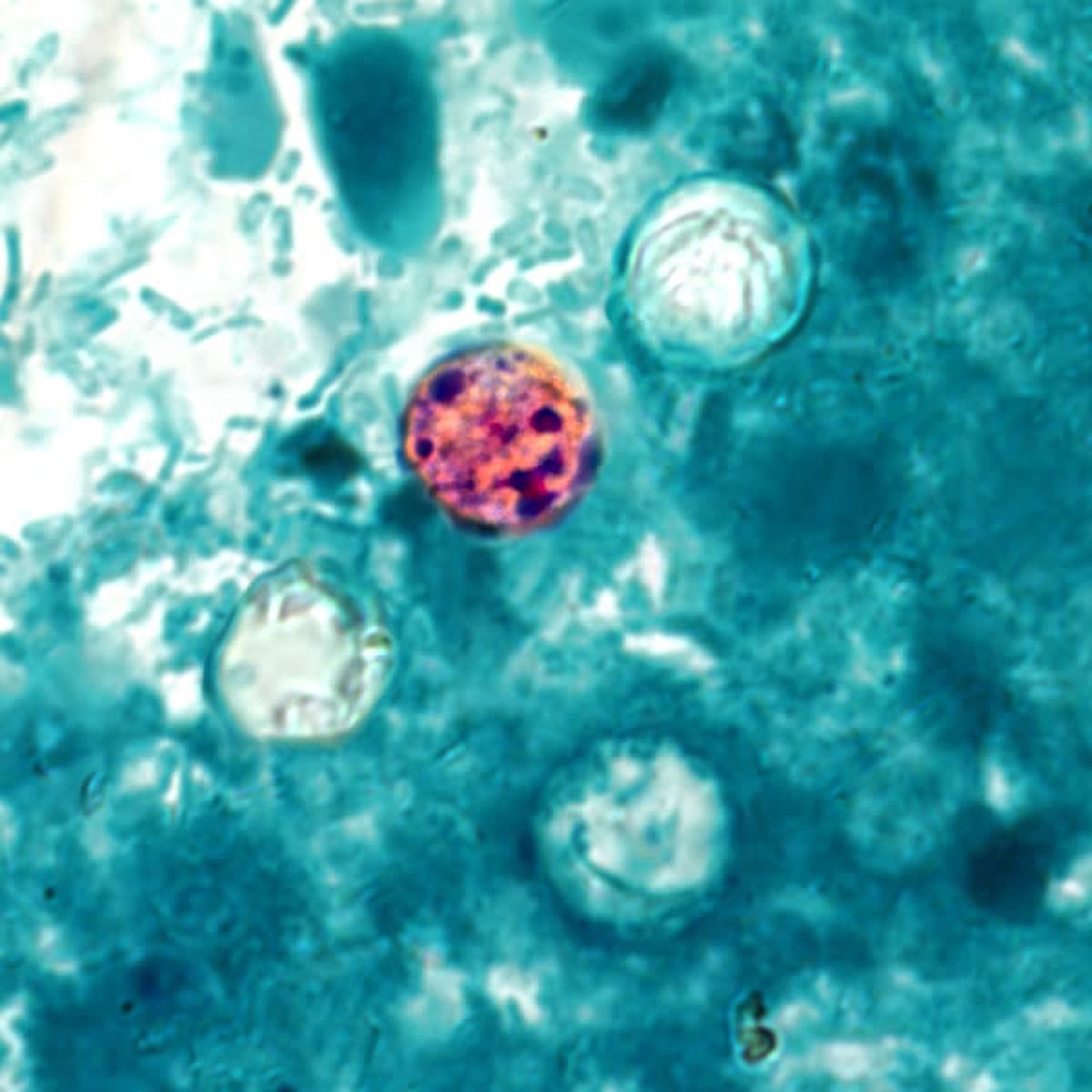
The U.S. Food and Drug Administration has initiated yet another investigation into a cyclosporiasis outbreak, even as the number of illnesses linked to recalled iceberg lettuce continues to climb across multiple states. This marks the fifth such probe the agency has launched since the beginning of July, underscoring a troubling pattern of recurring infections tied to fresh produce.
In its latest update, the FDA reported that ten cases have been identified in the newly detected outbreak. Investigators are now conducting traceback efforts to pinpoint a common source, though officials caution that identifying the culprit may prove difficult. The parasite responsible for the illness, Cyclospora cayetanensis, can take weeks to trigger symptoms, which complicates efforts to link cases to a specific food item.
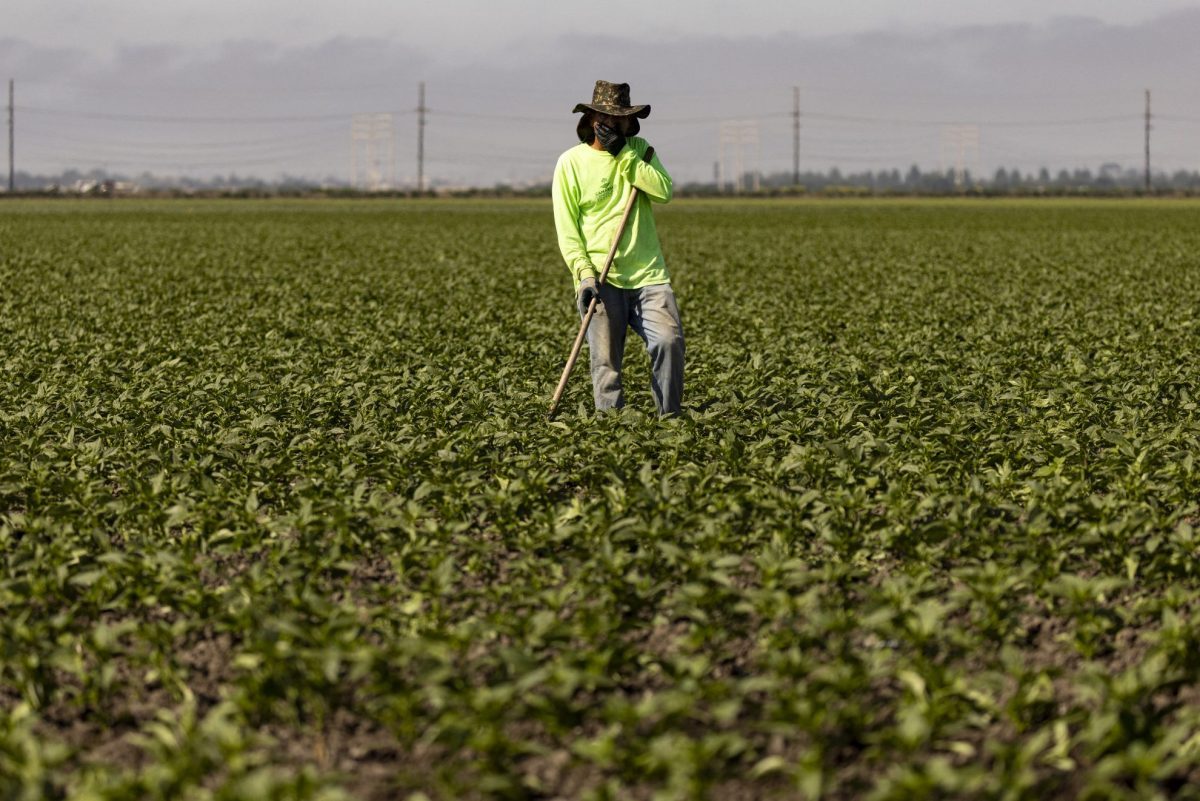
“Because of the delays in symptom onset and the challenges inherent in sequencing cyclospora, these investigations can take a significant amount of time,” said Gwen Biggerstaff, deputy director of the CDC’s Division of Foodborne, Waterborne, and Environmental Diseases, in remarks made last month. Her comments highlight the inherent difficulties that public health agencies face when tracking this pathogen.
Meanwhile, the separate outbreak linked to recalled iceberg lettuce has expanded, with infections now reported in more than a dozen states. That investigation, which was first announced in early July, has already prompted a recall and has drawn attention to the persistent risks associated with leafy greens. The FDA has not yet identified a single farm or distributor responsible for the contamination.
Cyclosporiasis is characterized by watery diarrhea that can be severe and, in some cases, “explosive,” according to health officials. Other symptoms include loss of appetite, weight loss, cramping, bloating, and fatigue. The illness can last for weeks if untreated, and immunocompromised individuals are at higher risk for prolonged or severe outcomes.
The new investigation comes as the CDC and FDA continue to grapple with a broader surge in cyclospora cases nationwide. Earlier this year, a cyclospora outbreak in Michigan claimed two lives amid a nationwide uptick, raising concerns about the adequacy of current food safety protocols.
The FDA’s latest action is part of a series of investigations that have stretched the agency’s resources. Just last week, the FDA reported a separate cyclospora outbreak not linked to lettuce, and the agency has been working to trace the source of that cluster as well. The recurrence of these outbreaks has prompted renewed calls for stricter oversight of imported produce, particularly from regions where cyclospora is endemic.
Consumers are advised to wash all produce thoroughly and to be aware of the symptoms of cyclosporiasis. Those who believe they may have been infected should seek medical attention, as the illness can be treated with specific antibiotics. Health officials also recommend that restaurants and retailers adhere to strict sanitation practices to prevent cross-contamination.
As the investigations continue, the FDA has not yet provided a timeline for when it might identify the sources of the new outbreak or the expanded lettuce-linked cluster. The agency has, however, reiterated its commitment to using all available tools to trace the origins of these infections and to prevent future occurrences.
For now, the public is left to navigate a produce aisle that has become increasingly fraught with risk. The repeated emergence of cyclospora outbreaks underscores the need for enhanced surveillance and more robust food safety measures across the supply chain.