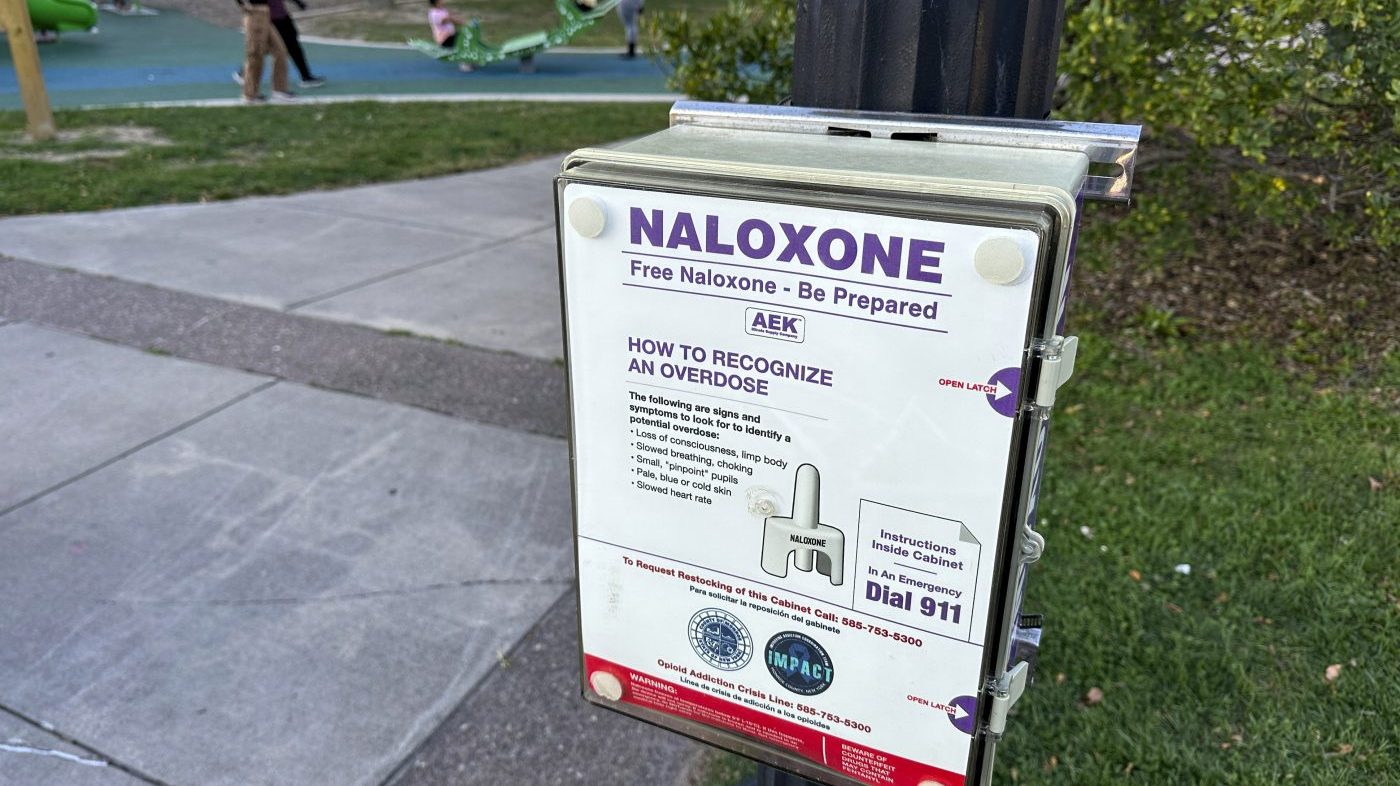
The Food and Drug Administration on Tuesday greenlit a third over-the-counter version of naloxone nasal spray, a move the agency argues will help curb opioid fatalities and reduce consumer prices. The newly approved product, Rextovy, delivers a 4 milligram dose of the overdose-reversal drug and will be available without a prescription at pharmacies, convenience stores, and online retailers.
Expanding Access Through Competition
Rextovy joins Narcan and a previous generic OTC spray as the third such formulation to hit the market without a prescription. The FDA said having multiple approved options fosters competition, which can drive down costs and give consumers more choices. Currently, the prescription version of naloxone spray sells for between $44 and $60 per box, but pricing for the OTC version has not yet been disclosed.
“This approval helps broaden access and offers an additional option for consumers,” said Mike Davis, acting director of the FDA’s Center for Drug Evaluation and Research, in a statement. “Empowering people without medical training to take immediate action with these products has been proven to save lives.”
How It Works and Safety
Naloxone can reverse an opioid overdose within minutes if administered promptly. The drug is safe to use even if it is unclear whether opioids are present in the person’s system. Rextovy’s packaging includes picture-based instructions outlining five clear steps, including calling 911 after the first dose.
Overdose Deaths in Decline
The FDA noted that overdose deaths have fallen dramatically since the first OTC naloxone spray was approved in 2023. Federal data shows 111,451 overdose deaths in the 12 months ending August 2023, compared with 68,632 in the 12 months ending December 2025—a decline of roughly 38 percent. Despite the progress, synthetic opioids like illicit fentanyl continue to drive a persistent public health crisis.
The first naloxone nasal spray, Narcan, was approved in 2015 for treating known or suspected opioid overdoses in people of all ages, including newborns.
Political and Policy Context
The approval comes as lawmakers continue to debate drug pricing and access. Senate Democrats have unveiled a drug pricing plan aimed at countering the Trump administration ahead of the midterms, while some Republicans resist further reconciliation packages. Meanwhile, a separate recall of an Amazon-listed nasal spray due to mold and yeast contamination underscores the importance of regulatory oversight in the over-the-counter market.
The FDA’s move also aligns with broader efforts to address the opioid epidemic through harm reduction. The agency recently approved a new sunscreen ingredient after a 27-year drought, signaling a more proactive stance on public health products.